

Archive · 7 Jan 2026
US Imposes 1% Remittance Tax on Immigrants
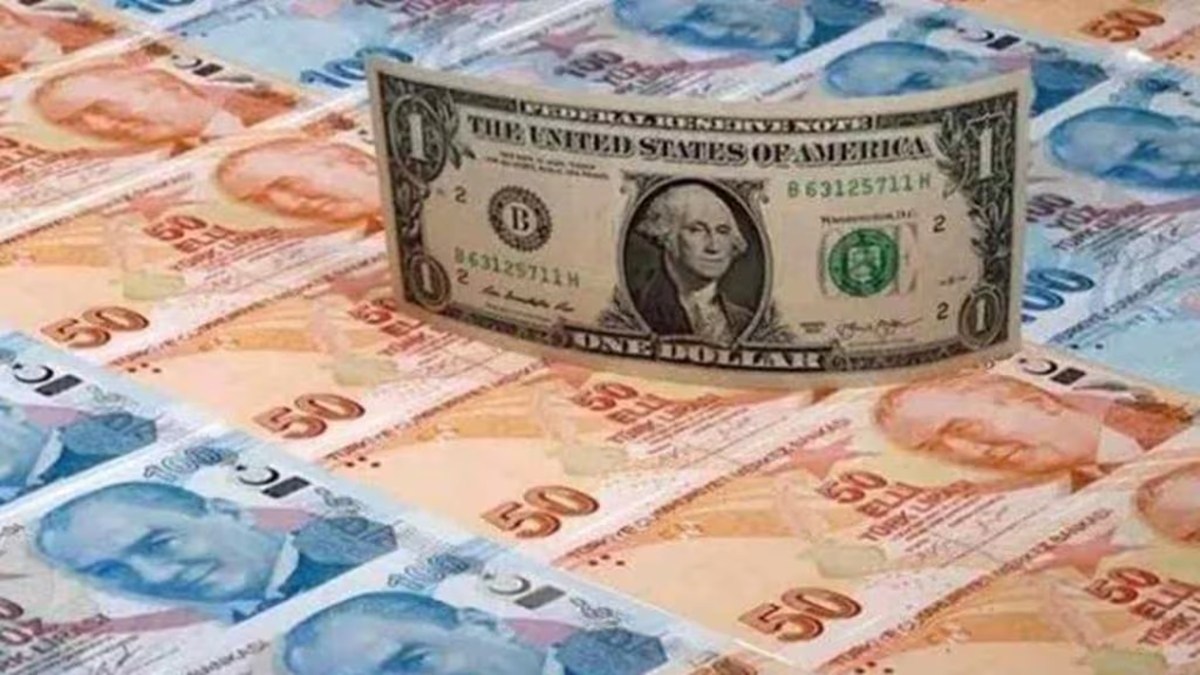
The US has introduced a new 1% tax on money sent by immigrants to their home countries.
This tax, called the 'Excise tax on remittance transfers,' applies to cash, money orders, and cashier’s checks.
However, you can avoid this tax by using bank accounts, debit or credit cards, digital wallets like Google Pay or Apple Pay, or prepaid cards.
The tax is meant to generate revenue from outward remittances by immigrants living in the US.
It will affect groups like NRIs, green card holders, and foreign students.
The tax was initially proposed at 5%, then reduced to 3.5%, and finally set at 1%.
The recipient will get the full amount sent, with the sender paying the extra tax.

The US has imposed a 1% tax on remittance transfers by immigrants to foreign countries, effective January 1, 2026.
The tax applies to cash, money orders, and cashier’s checks but exempts bank account transfers, debit/credit card payments, and digital wallets.
The tax rate was initially proposed at 5%, then reduced to 3.5%, and finally set at 1%.
Immigrants can avoid the tax by using bank accounts, debit/credit cards, digital wallets, or prepaid cards for remittances.
The tax will primarily affect NRIs, green card holders, foreign students, and other immigrants in the US.
- Who
- US immigrants, including NRIs, green card holders, and foreign students
- What
- A 1% excise tax on remittance transfers to foreign countries
- When
- Effective from January 1, 2026
- Where
- United States
- Why
- To generate revenue from outward remittances by immigrants
- Tax Rate
- 1%
- Effective Date
- January 1, 2026
- Taxable Methods
- Cash, money orders, cashier’s checks
- Exempt Methods
- Bank accounts, debit/credit cards, digital wallets, prepaid cards
- Affected Groups
- NRIs, green card holders, foreign students, other immigrants