Archive · 29 Sep 2025
Why Snoring is Often Inaudible to the Snorer

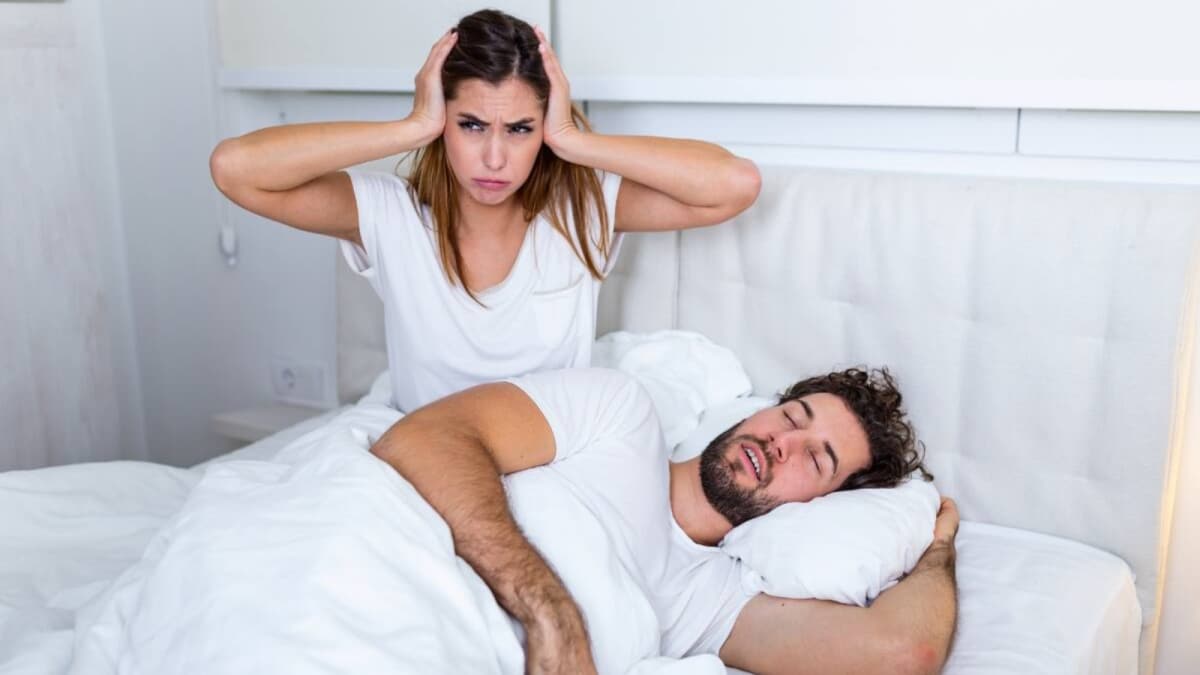
Snoring is common, but people often don't hear themselves snore.
During sleep, the brain and body relax, reducing the ability to hear sounds from the body.
The sound is generated internally, so it doesn't directly reach the ears of the snorer, but it is heard by others nearby.
Loud snoring can be a sign of sleep apnea.
Therefore, it is important to consult a doctor if others mention your snoring.

Snoring is a common issue, yet the snorer often does not hear it.
When sleeping, the brain rests, making the individual less responsive to sounds.
Snoring sounds originate internally in the trachea and throat.
External sounds often mask the internal sound of snoring.
Persistent loud snoring may indicate health risks like sleep apnea.
- Who
- People who snore.
- What
- The phenomenon of snorers not hearing their own snoring.
- When
- While sleeping.
- Where
- In the trachea and throat.
- Why
- The brain enters a resting state, making the individual less responsive to internal sounds; external noises may mask it.
Snoring Facts
Snoring Causes
Audibility of snoring
Snoring Facts
People do not hear their own snoring.
Snoring Causes
The sound should be loud enough to reach the ears, but is not as loud to the individual snoring.
- Cause of Snoring
- Sound produced internally in trachea and throat
- Primary reason for not hearing own snoring
- Brain enters a state of rest during sleep, being less responsive to external sounds.
- Audibility
- Louder to those nearby
- Significance
- Persistent snoring can be a symptom of sleep apnea.