

Archive · 11 Oct 2026
Ifugao Rice Terraces: Ancient-Looking Landscapes, Younger Archaeological Dates
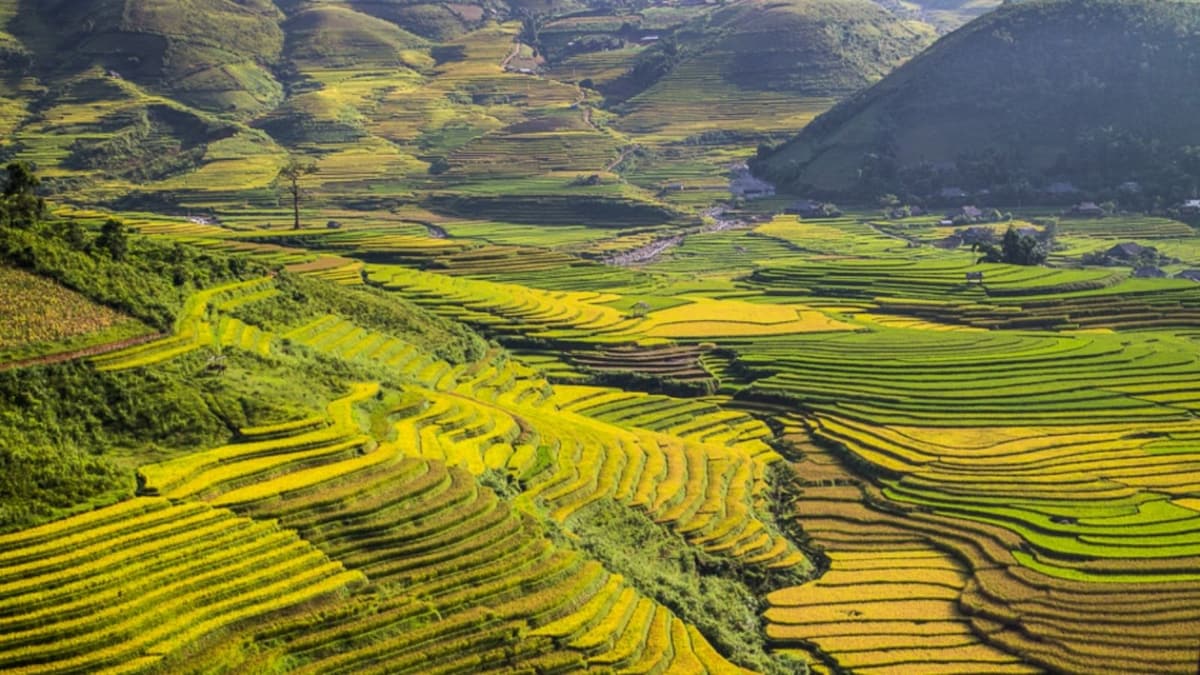
The Ifugao Rice Terraces are steps cut into mountain slopes in the Philippines.
The Batad and Bangaan clusters are in northern Luzon.
Indigenous Ifugao people built the terraces.
Stone and mud walls help hold the steps in place.
The walls follow the shape of the mountains.
Stone channels bring water from mountaintop rainforests.
The terraces were used as wet-rice fields.
People often say they are 2,000 years old, but archaeological work dates widespread construction to about 300 to 400 years ago.
This period coincided with the consolidation of Indigenous communities after the Spanish arrived.

The Batad and Bangaan clusters are in the Cordillera Central mountains of northern Luzon, Philippines.
Indigenous Ifugao people carved the terraces into high-altitude, amphitheatre-like landscapes.
Stone and mud retaining walls follow the mountains’ natural contours.
Stone conduits carry freshwater from primary mountaintop rainforests to the terraces.
Archaeological excavations date widespread construction of the wet-rice pond fields to about 300–400 years ago, not the popularly cited 2,000 years.
- Who
- The indigenous Ifugao people built the terraces.
- What
- A system of mountain terraces used as wet-rice pond fields.
- When
- Widespread construction is dated to roughly 300–400 years ago.
- Where
- The Batad and Bangaan clusters in the Cordillera Central mountains of northern Luzon, Philippines.
- Why
- The terraces were constructed as wet-rice pond fields.
- Terrace clusters
- Batad and Bangaan
- Location
- Cordillera Central mountains, northern Luzon, Philippines
- Builders
- Indigenous Ifugao people
- Construction date
- Widespread construction is dated to roughly 300–400 years ago
- Popular age claim
- The terraces are often romanticised as roughly 2,000 years old
- Water supply
- Stone conduits tap freshwater from primary mountaintop rainforests
- Construction materials
- Stone and mud retaining walls