Archive · 19 Sep 2026
India Urges UN to Protect Free Maritime Navigation Rights
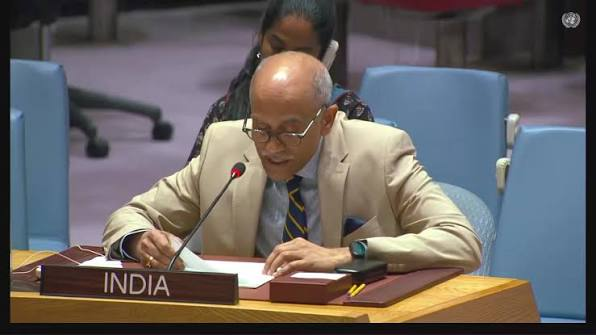
India told a United Nations meeting that ships should be able to travel safely and freely.
Countries or groups should not threaten ships or unfairly block sea routes.
Problems at one important sea passage can affect routes elsewhere.
They can raise shipping and insurance costs and make energy and food supplies harder to move.
India said countries should plan ahead so important goods can keep moving during crises.
It also said sailors need better protection, medical help and safe journeys home.
This is especially important because some seafarers have been attacked and several Indian crew members have died.
India warned that unmanned systems, cyberattacks and technology disruptions can create new dangers.
It urged countries to cooperate and follow international law.

India told the UN Security Council that navigation rights must be free from coercion, threats and unlawful interference.
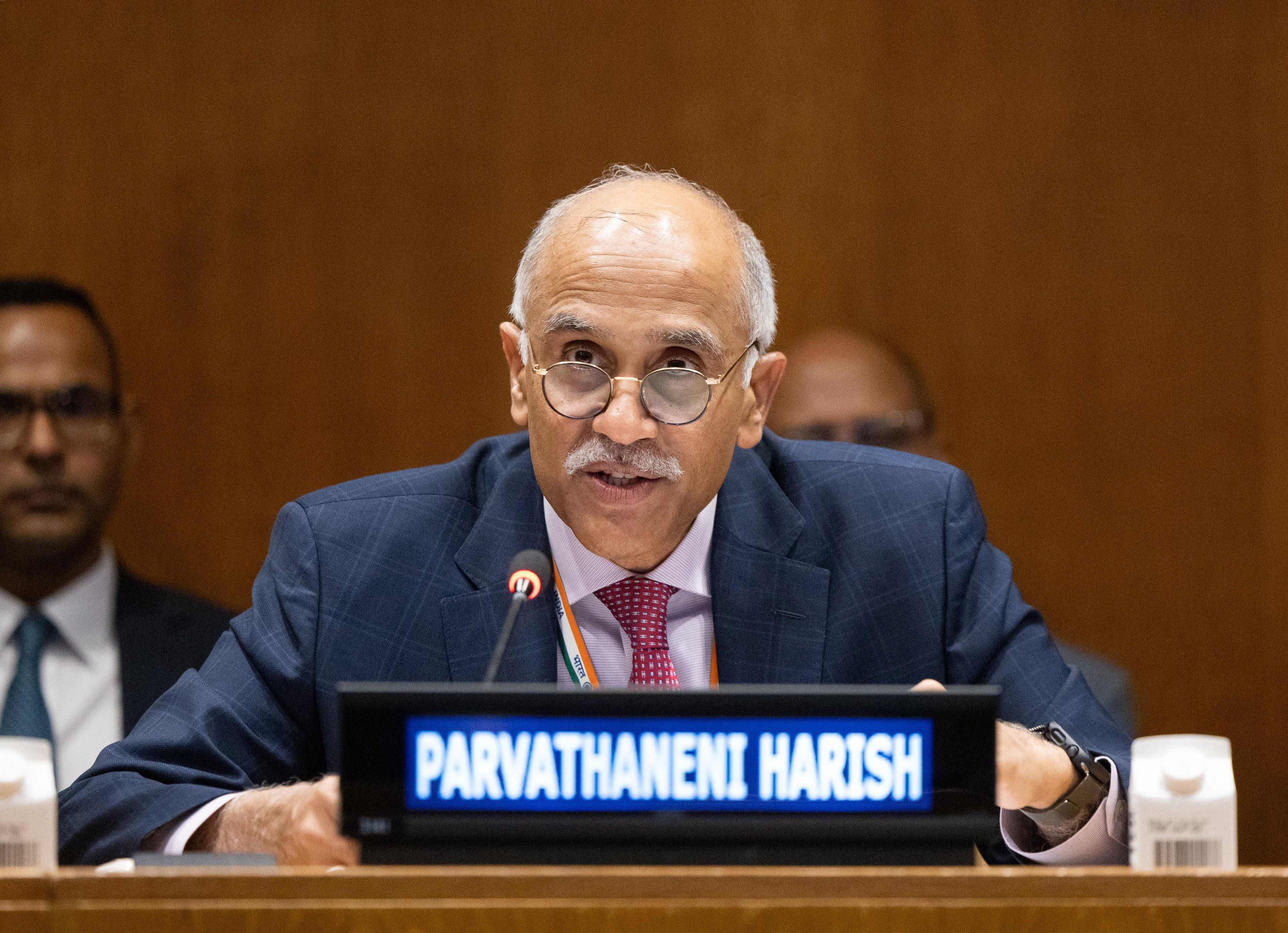
Ambassador Harish Parvathaneni said maritime insecurity threatens international peace, energy supplies, food security and global prosperity.
India urged practical arrangements to keep essential commercial and humanitarian supplies moving during crises.
Parvathaneni called for coordinated plans to evacuate, medically assist, change crews and repatriate seafarers from conflict zones.
India warned of growing risks from unmanned systems, cyberattacks and interference with navigation and communications.
- Who
- India, represented by its Permanent Representative to the United Nations, Ambassador Harish Parvathaneni.
- What
- India called for protected freedom of navigation, stronger maritime security arrangements and better safeguards for seafarers.
- When
- At a Thursday meeting of the United Nations Security Council.
- Where
- At the Security Council's Arria-Formula meeting on maritime security.
- Why
- Recent disruptions to major maritime routes, including around the Strait of Hormuz, have threatened shipping, energy and food supplies and created wider economic and humanitarian risks.
- Meeting
- United Nations Security Council Arria-Formula meeting titled “Safe Seas, Shared Security: Protecting Freedom of Navigation in an Evolving Security Environment.”
- Indian representative
- Harish Parvathaneni, India's Permanent Representative to the United Nations.
- India's position
- Navigation and overflight rights must be respected under international law and must not face coercion, threats, unlawful restrictions or arbitrary interference.
- Economic risks
- Disruptions at maritime chokepoints can increase pressure on alternative routes, raise freight and insurance costs, and disrupt energy and food supplies.
- Seafarer protection
- India called for contingency planning covering evacuation, medical assistance, crew changes and repatriation.
- Emerging threats
- Unmanned-system attacks, cyber risks and interference with navigation and communications.
- Legal framework
- India cited the United Nations Convention on the Law of the Sea.