

Archive · 30 Dec 2025
Rohingya Networks Link Drugs, Migration, Militancy
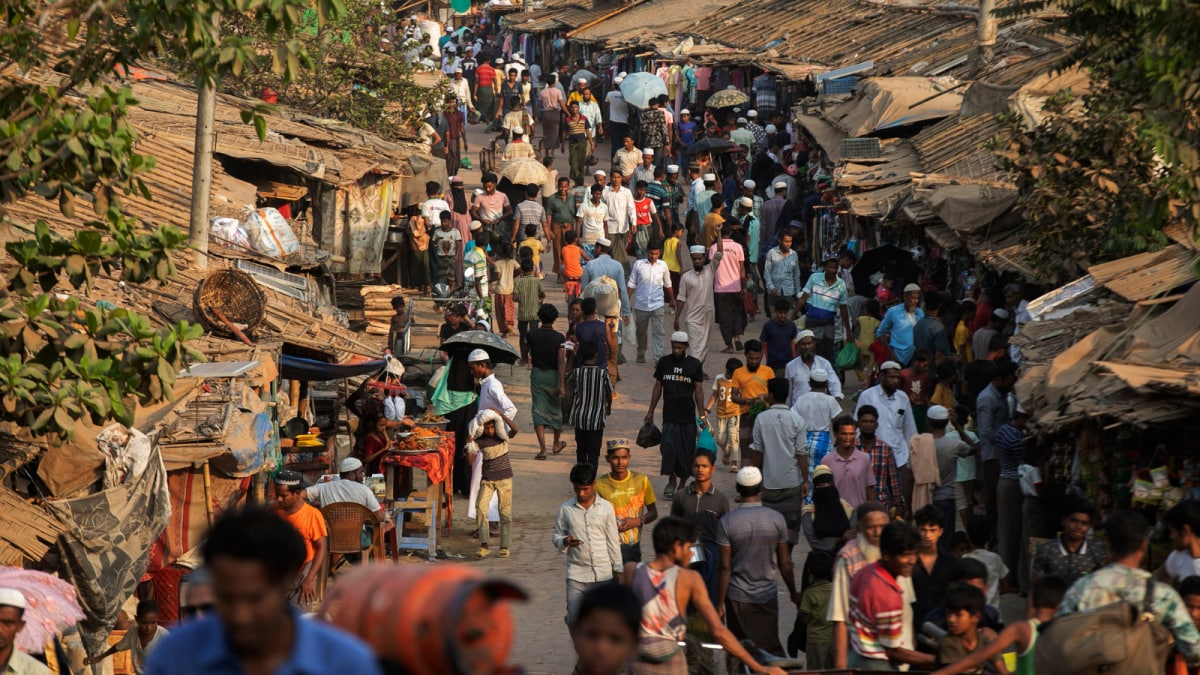
Indian intelligence agencies have found that Rohingya networks are involved in drugs, illegal migration, and militancy.
The main way they make money is by selling methamphetamine, which comes from Myanmar and goes through Bangladesh into India.
This money is used to help Rohingya people move illegally into India and to support militant groups.
The networks also help people get fake identity documents, making it harder for authorities to catch them.
There are many Rohingya people living in big camps in Bangladesh and illegally in India.
The agencies say that to stop these activities, they need to work together with other countries and check documents more carefully.

Indian intelligence agencies link Rohingya networks to drugs, illegal migration, and militancy.
Methamphetamine trade from Myanmar's Shan State finances these activities, with Cox’s Bazar as a major hub.
Human trafficking and drug routes overlap, with militants using these paths to move undetected.
Forged identity documents are procured quickly in India, aiding movement and complicating deportation.
Over 1.1 million Rohingya are in Cox’s Bazar, with 40,000 estimated to be in India illegally.
- Who
- Indian intelligence agencies and Rohingya networks
- What
- Link between drugs, migration, and militancy among Rohingya
- When
- Assessments accessed in December 2025
- Where
- Cox’s Bazar, Myanmar, Bangladesh, and India
- Why
- To finance militant activities and facilitate illegal migration
- Primary Financial Backbone
- Methamphetamine trade
- Estimated Methamphetamine Origin
- 90-95% from Myanmar's Shan State
- Annual Meth Trade Value
- $61-64 billion
- Rohingya in Cox’s Bazar
- 1.1 million across 33 camps
- New Arrivals from Rakhine State
- 150,000 (2023-2025)
- Estimated Illegal Rohingya in India
- 40,000
- Cost to Facilitate Entry into India
- Rs 2-5 lakh per adult
- Cost of Forged Identity Documents
- Rs 20,000-Rs 50,000 per set