

Archive · 6 Jun 2025
Homoeopathy in Agriculture: Sustainable Crop Growth
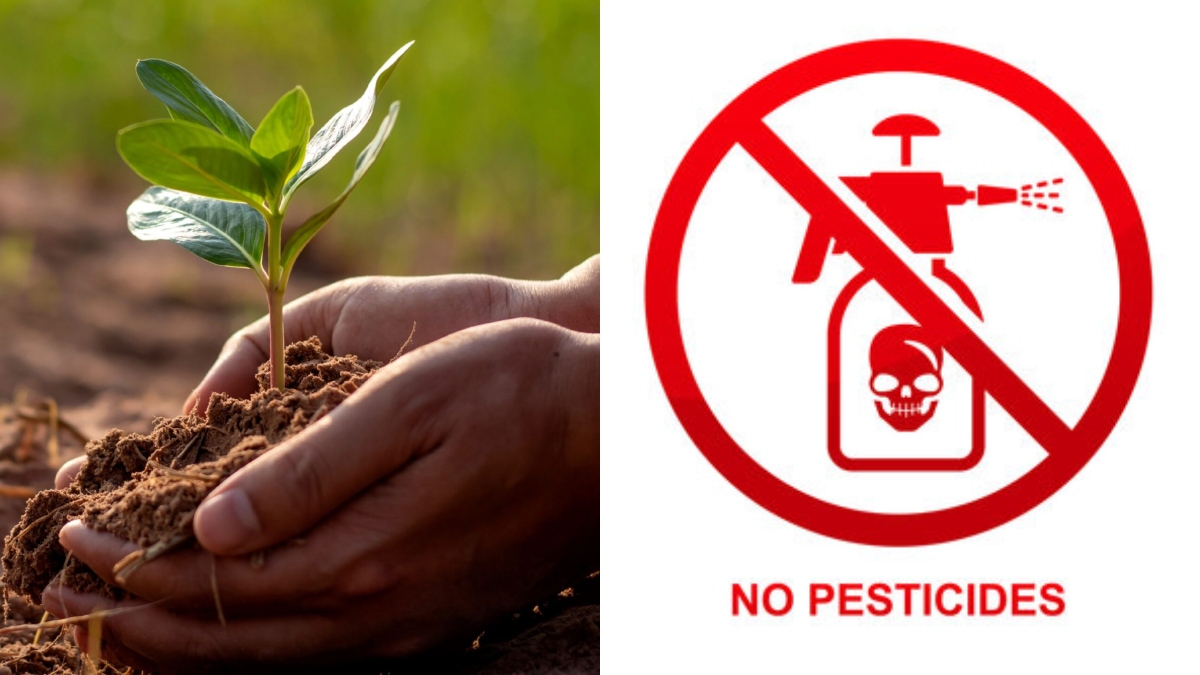
Imagine helping plants stay healthy without using harsh chemicals.
That's what agro-homoeopathy does!
It uses tiny doses of natural substances, like plant extracts, to boost a plant's own defenses against bugs and diseases.
It's like giving plants a super-powered immune system!
These treatments are safe, don't harm the environment, and are often cheaper for farmers.
Research shows it can even help seeds grow better.
It's a way of farming that works with nature to grow healthy food in a gentle, smart way.

Homoeopathy is being used in organic farming to stimulate plants' natural defenses against pests and diseases.
Agrohomeopathy uses natural treatments like Silicea, Arnica, and Sulphur in water-based mediums for crops.
These treatments are inexpensive, non-toxic, and leave no chemical residue, meeting organic certification standards.
Studies show ultra-high dilutions of Calendula can improve seed germination and growth.
Agro-homoeopathy promotes self-sufficiency and knowledge-based agriculture.
- Who
- Organic farmers, researchers, and practitioners of agro-homoeopathy.
- What
- The use of homoeopathy in organic farming to protect crops from pests and diseases.
- When
- Ongoing, with increasing adoption by organic farmers.
- Where
- Globally, with a focus on organic farming practices.
- Why
- To provide a sustainable, non-toxic alternative to chemical pesticides, promoting ecological balance.
Advocates of Agro-Homoeopathy
Advocates of Chemical Pesticides
Cost and Accessibility
Advocates of Agro-Homoeopathy
Agro-homoeopathy provides a cheaper and simpler solution compared to expensive agrochemicals, promoting self-sufficiency.
Advocates of Chemical Pesticides
Chemical pesticides may be more readily available and familiar for some farmers.
Environmental Impact
Advocates of Agro-Homoeopathy
Agro-homoeopathy treatments are in harmony with nature, do not contaminate water bodies, kill pollinators, or destroy ecological balance; instead, they trigger the healing potential of the plant.
Advocates of Chemical Pesticides
Chemical pesticides, though effective, can negatively impact the environment and soil quality.
- Key Expert
- Dr. Mukesh Batra
- Primary Application
- Organic Farming
- Common Treatments
- Silicea, Arnica, Calendula, Sulphur
- Key Advantages
- Non-toxic, Inexpensive
- Research Finding
- Improves seed germination and growth