Archive · 3 Oct 2026
Mumbai Terminal 1 to Close, Redirecting Flights to Navi Mumbai
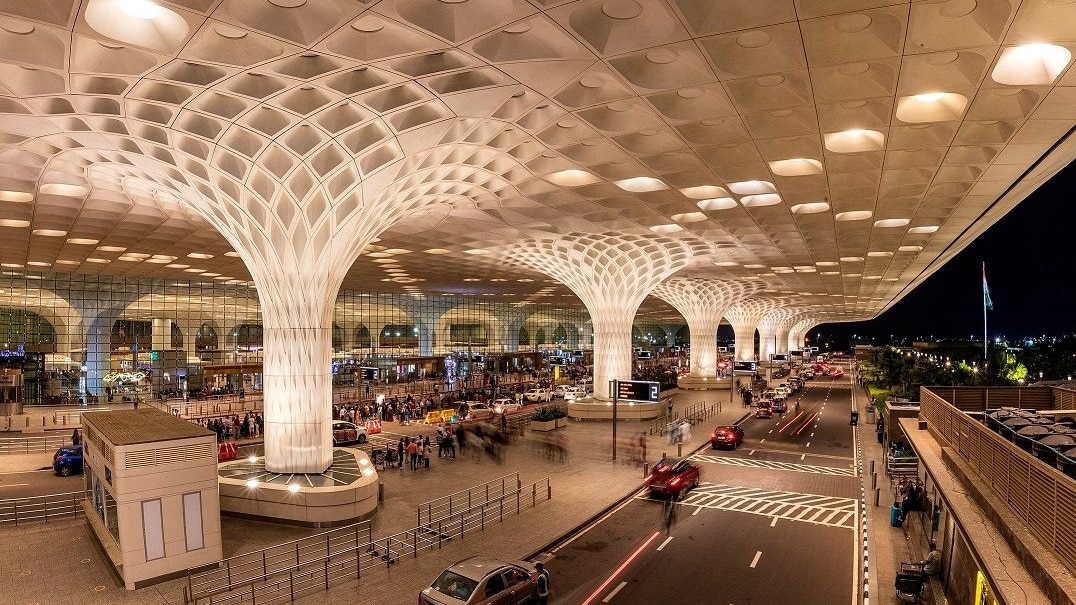
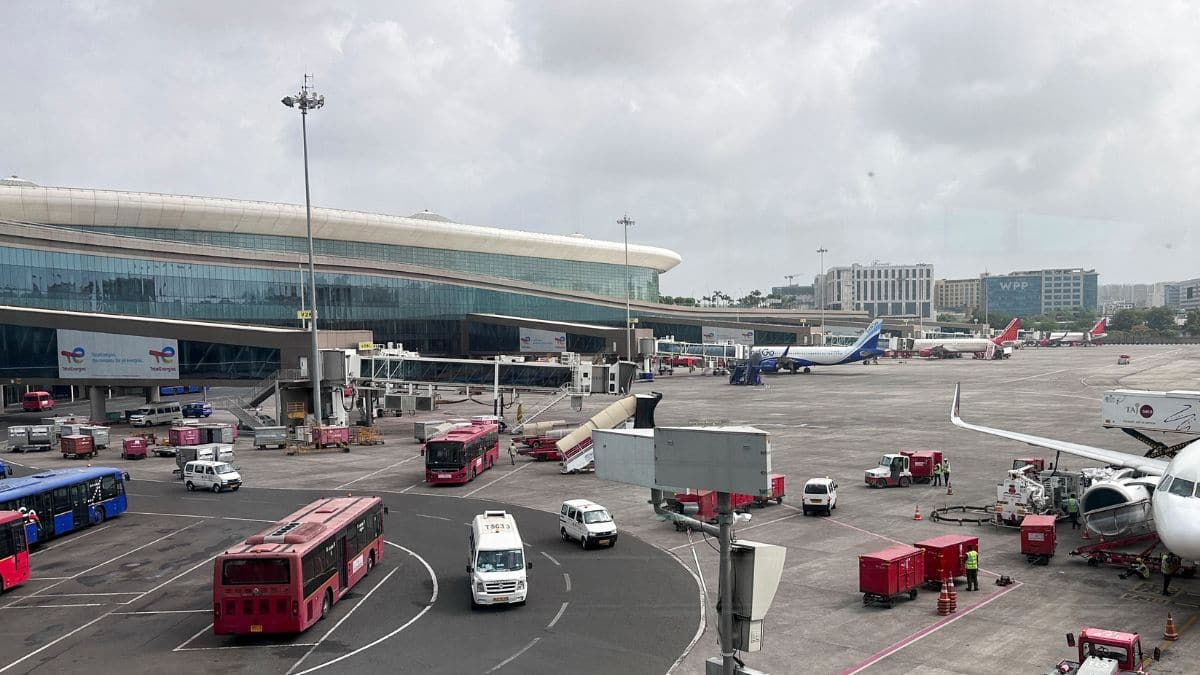
Mumbai airport’s Terminal 1 will stop handling flights from October 25.
It will close for redevelopment and is expected to reopen in 2029-30.
Some flights will move to Terminal 2, and many are expected to move to Navi Mumbai International Airport.
This means some passengers will need to travel to a different airport.
The road trip could take longer and cost more, especially from parts of Mumbai.
The changes may also put pressure on airport capacity while flights are being moved.
Sending some flights to Navi Mumbai could reduce waiting and crowding at Mumbai airport.
Passengers should check which airport and terminal their flight uses.

Mumbai airport’s Terminal 1 will stop handling flights from October 25 and is expected to remain closed until 2029-30 for redevelopment.
MIAL says redevelopment will begin in January 2027; demolition of Terminal 1-B’s north section is scheduled for January 15, 2027.
Around 10 million of T1’s nearly 15 million passengers in FY 2025-26 are expected to shift to Navi Mumbai International Airport, with about five million accommodated at Terminal 2.
Passengers whose flights move to Navi Mumbai may face longer road journeys, higher commuting costs and added traffic, while capacity may be pressured during the transition.
MIAL says airlines’ existing slot rights will be honoured when the rebuilt terminal opens; moving flights to Navi Mumbai could reduce congestion and waiting times at Mumbai airport.
- Who
- Mumbai International Airport Limited, airlines and passengers using Mumbai airport.
- What
- Terminal 1 will close for flight operations and be redeveloped, with flights redistributed between Terminal 2 and Navi Mumbai International Airport.
- When
- Flight operations at Terminal 1 are scheduled to stop on October 25; redevelopment is expected to begin in January 2027, and the terminal is expected to remain closed until 2029-30.
- Where
- Chhatrapati Shivaji Maharaj International Airport in Mumbai and Navi Mumbai International Airport.
- Why
- The approximately 84-year-old terminal is being redeveloped, and Navi Mumbai International Airport provides an alternative facility for airline operations.
Potential benefits
Passenger and capacity concerns
Airport congestion
Potential benefits
Moving some flights to Navi Mumbai could ease congestion at Mumbai airport, reduce aircraft holding and departure waiting times, and potentially improve punctuality.
Passenger and capacity concerns
Redistributing flights could temporarily pressure capacity as airlines and passengers adjust between Mumbai’s terminals and Navi Mumbai.
Passenger travel
Potential benefits
The move provides an alternative airport facility within the Mumbai Metropolitan Region for airlines during redevelopment.
Passenger and capacity concerns
Passengers whose flights move to Navi Mumbai may face longer journeys, higher commuting costs and more road traffic, particularly during peak hours.
- Terminal 1 closure
- Flight operations are scheduled to end on October 25; the terminal is expected to remain closed until 2029-30.
- Redevelopment
- MIAL says work is expected to begin in January 2027; demolition of Terminal 1-B’s north section is scheduled for January 15, 2027.
- Passenger redistribution
- Of nearly 15 million T1 passengers in FY 2025-26, around 10 million are expected to shift to Navi Mumbai International Airport and about five million to Terminal 2.
- Airport traffic
- Mumbai airport handles around 950 flights a day; T2 handled approximately 40 million passengers in FY 2025-26.
- International movements
- At least one-third of international air traffic movements are planned to shift to Navi Mumbai International Airport from October 1.
- Passenger impact
- Some travellers may face longer road journeys, higher commuting costs and additional traffic between Mumbai and Navi Mumbai.
- Airline slots
- MIAL says airlines’ existing slot rights will be honoured once the rebuilt terminal becomes operational.
- Reason for delay
- The redevelopment, originally planned for mid-2025, was postponed because airlines lacked an alternative facility for their operations.