

Archive · 5 Oct 2026
The Assassin(s) Fuels South Korea’s Fight Over History and Film
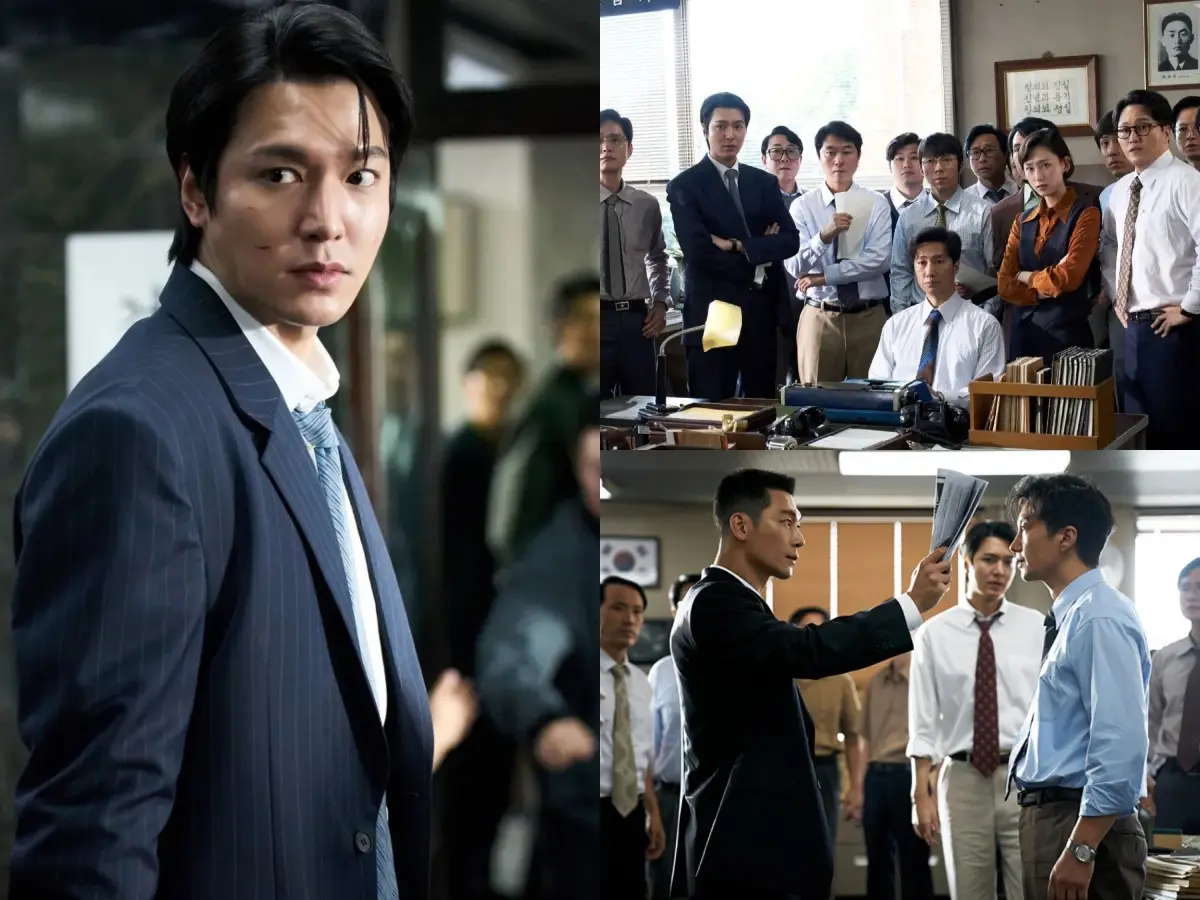
The Assassin(s) is a movie about a real shooting in South Korea in 1974.
President Park survived, but his wife, Yuk Young-soo, was killed.
Investigators said the gunman acted alone under North Korean direction.
The movie imagines that people inside the government might also have been involved, but its makers say it is fiction, not a proven account.
Some people say the film unfairly changes history, while others say filmmakers should be allowed to ask questions.
The disagreement has led to complaints, protests and threats against people connected to the movie.
Film organisations have said people can criticise a movie without threatening its makers or actors.
Some festival appearances were canceled because of safety concerns.
More than two million people had seen the film by October 3, 2026.

The Assassin(s), directed by Heo Jin-ho, fictionalizes the 1974 shooting that killed First Lady Yuk Young-soo; President Park Chung-hee survived.
The official investigation and court concluded gunman Mun Se-gwang acted alone under North Korean direction, while the film imagines possible involvement by figures within Park’s government.
Conservatives and the Park Chung-hee Foundation accuse the film of distorting history; its makers say it is fictional and does not establish historical fact.
Criticism has expanded into complaints, calls to halt screenings, online-rating scrutiny, protests and threats; the Directors Guild and a coalition of 19 film organisations defended creators’ safety and freedom.
Heo and cast members canceled festival appearances over safety concerns; the film had reached 2,045,499 admissions by October 3, 2026.
- Who
- Director Heo Jin-ho, the film’s cast and makers, critics including conservative politicians and the Park Chung-hee Foundation, and film organisations defending creators.
- What
- A dispute over whether The Assassin(s), a fictionalized film about the 1974 shooting of Yuk Young-soo, distorts history, alongside concerns about threats to people associated with it.
- When
- The film opened September 23, 2026; film organisations issued statements on October 4 and 5.
- Where
- South Korea; the film was also selected to open the Singapore International Film Festival.
- Why
- The film explores a fictional alternative to the official account of the shooting, prompting arguments over historical accuracy, creative freedom and the safety of those involved.
Critics of the film
Defenders of the film and creative freedom
Historical portrayal
Critics of the film
Conservative politicians, the Park Chung-hee Foundation and others say the film distorts a historical tragedy and harms the legacy of Yuk Young-soo.
Defenders of the film and creative freedom
The filmmakers say it is a fictionalized reconstruction, not an assertion of established historical fact or a claim that Park ordered the shooting.
Interpretation of the shooting
Critics of the film
Critics argue that the film’s portrayal suggests people within Park’s government or intelligence apparatus were involved, contrary to the official findings.
Defenders of the film and creative freedom
Supporters say the film explores questions about the investigation and that audiences should be able to watch, reject or criticize it.
Response to controversy
Critics of the film
Critics have called for apologies and a halt to screenings; some political figures have pursued complaints or other actions concerning the film.
Defenders of the film and creative freedom
Film organisations say criticism must not become threats against individuals, their homes, personal information or livelihoods, and urge protection of creators’ freedom to work.
- Film
- The Assassin(s), directed by Heo Jin-ho
- Historical event
- Shooting at Seoul’s National Theater on August 15, 1974
- Victims
- Yuk Young-soo and a young girl were killed; Park Chung-hee survived
- Official account
- Investigators and the court concluded Mun Se-gwang acted alone under North Korean direction
- Film organisations
- The Korean Directors Guild spoke out on October 4; a coalition of 19 film organisations issued a statement on October 5
- Box office
- 2,045,499 admissions by October 3, 2026
- Festival
- Selected as the opening film of the 37th Singapore International Film Festival
