1 hr ago
The Assassin(s) Sparks South Korean Fight Over History

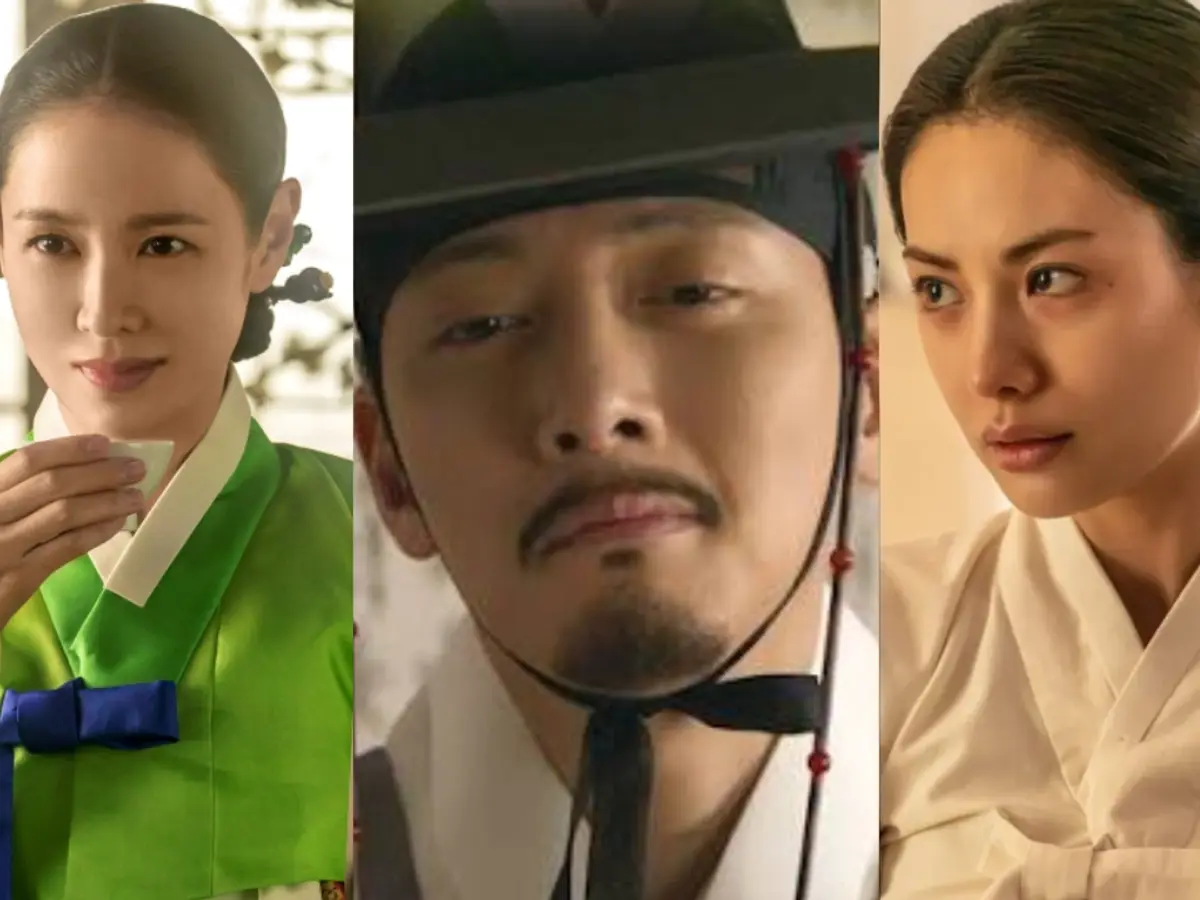
The Assassin(s) is a movie about a real shooting in South Korea in 1974.
President Park Chung-hee survived, but his wife, Yuk Young-soo, died.
Investigators at the time said the gunman acted alone and had been ordered by North Korea and a pro-North Korean group in Japan.
The movie imagines a different explanation, but it does not name a culprit.
Some people say this unfairly changes history and hurts the victims’ family.
Others say the movie is fiction that asks questions about an investigation conducted by an authoritarian government.
The argument has led to complaints, protests, threats, and canceled film events.
Even so, more than two million people had seen the movie by October 3.

Heo Jin-ho’s film dramatizes the 1974 shooting that killed First Lady Yuk Young-soo; President Park Chung-hee survived.
The official investigation concluded that gunman Mun Se-gwang acted alone under orders from North Korea and Chongryon; the film explores an alternative theory.
Conservatives and the Park Chung-hee Foundation accused the film of distorting history, while its supporters describe it as fiction exploring unresolved questions.
The dispute has prompted a criminal complaint, demands to halt screenings, online-rating scrutiny, threats against people associated with the film, and canceled festival appearances.
The film passed two million admissions by October 3, 2026, despite the controversy.
- Who
- Director Heo Jin-ho, the film’s cast and makers, and critics and supporters of The Assassin(s).
- What
- A political and public dispute over a film that fictionalizes the 1974 shooting of Yuk Young-soo and explores an alternative theory.
- Where
- South Korea, with a related dispute over the film’s selection for the Singapore International Film Festival.
- When
- The film opened September 23, 2026; the article describes controversy and box-office figures through October 3.
- Why
- The film’s fictional theory about the shooting conflicts with the official finding that Mun Se-gwang acted alone, raising arguments about historical accuracy, the victims, and criticism of Park Chung-hee’s government.
Critics of the film
Defenders of the film
Historical accuracy
Critics of the film
The Park Chung-hee Foundation and conservative politicians say the film distorts a historical tragedy and should apologize or stop screening.
Defenders of the film
The director says the film is a cinematic hypothesis based on questions previously raised in television documentaries, not a claim that Park ordered the shooting.
The alternative theory
Critics of the film
Critics argue the film’s staging and ending imply that people inside the regime were behind the attack, despite the official finding that Mun acted alone.
Defenders of the film
The film’s defenders say it is fiction built around unanswered questions; the article notes that those questions are not proof of a plot and no court overturned the original findings.
Political response
Critics of the film
The People Power Party says the film harms the bereaved and betrays history, and sought action concerning its screenings, festival selection, and public funding.
Defenders of the film
The Democratic Party says the People Power Party is using a feature film as a political weapon; the Directors Guild of Korea backed the filmmakers.
Key facts
- Film
- The Assassin(s), directed by Heo Jin-ho
- The shooting
- August 15, 1974, at the National Theater in Seoul
- Victims
- Yuk Young-soo and a young girl were killed; Park Chung-hee survived
- Official finding
- Investigators and the court concluded Mun Se-gwang acted alone under orders from North Korea and Chongryon
- Film release
- September 23, 2026
- Admissions
- 2,045,499 by October 3, 2026
- Singapore festival
- Selected as the opening film of the 37th Singapore International Film Festival in November
Sources
Related news

Lee Min Ho BIFF Talk Cancelled Amid Assassin(s) Backlash

Netflix Sets September 2026 Release for K-Drama The Scandal

Former BIGBANG Member Seungri Faces Restaurant Assault Probe
Police Probe Alleged Secret Surveillance Targeting Cha Eun-woo
Vijay Faces Criticism Over Jaw Gesture and Emergency Remarks