

Archive · 23 Jul 2026
Brent Crude Hits $100 Amid US-Iran Tensions
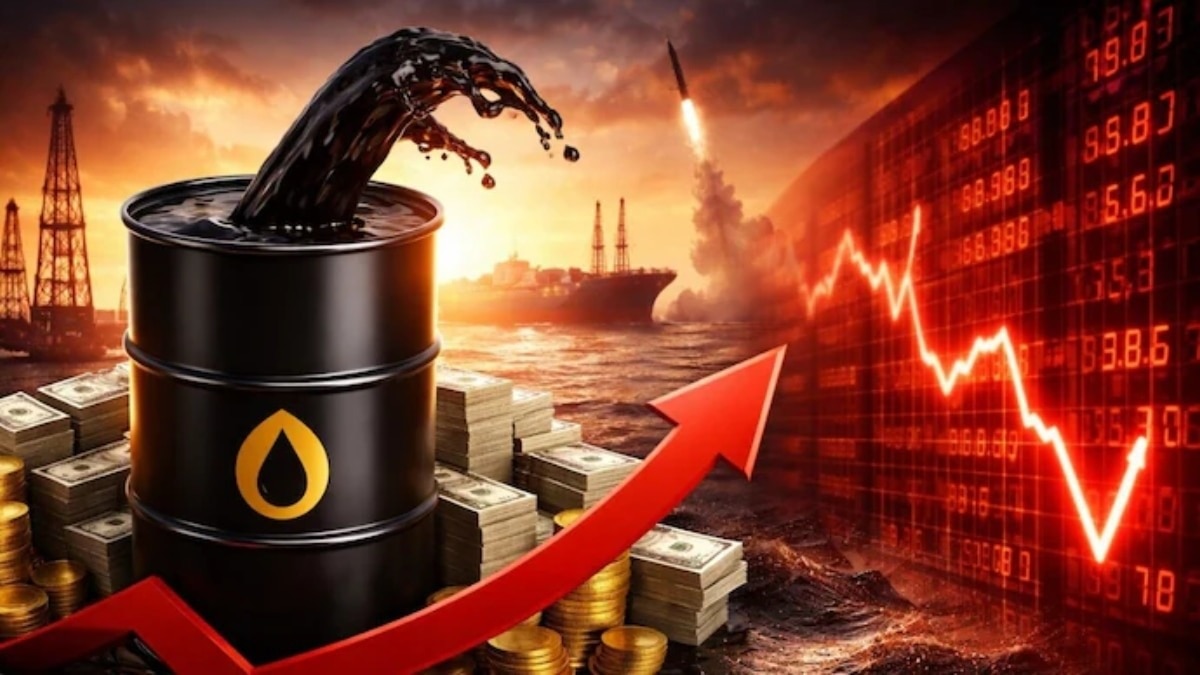
Oil prices have gone up a lot recently because there are some big problems in the Middle East.
The US and Iran are not getting along, and there have been attacks on oil tankers in the Red Sea.
This has made people worried that there might not be enough oil to go around, which could make things more expensive.
The price of Brent crude oil, which is a type of oil, has even gone over $100 per barrel for the first time in a while.
Experts are watching to see what happens next, because if the problems continue, oil prices could go up even more, and that could make other things more expensive too.

Brent crude futures crossed $100 per barrel for the first time since May 26.
US WTI crude climbed to $92.37 per barrel.
Oil prices have jumped more than 30% this month due to Middle East tensions.
Attacks on oil tankers in the Red Sea and uncertainty around the Strait of Hormuz are major concerns.
US President Donald Trump warned of 'major military punishment' for Houthi attacks.
- Who
- US President Donald Trump, Iran, Houthi group in Yemen
- What
- Brent crude futures crossed $100 per barrel
- When
- July 23
- Where
- Global crude oil markets
- Why
- Escalating tensions between the US and Iran, attacks on oil tankers in the Red Sea, and uncertainty around shipping through the Strait of Hormuz
Supply Route Risks
Immediate Production Loss
Driving Factors
Supply Route Risks
The current rally is driven by supply-route risks, particularly disruptions around critical shipping routes like the Strait of Hormuz and the Red Sea.
Immediate Production Loss
The rally is not primarily due to an immediate loss of crude production.
- Brent Crude Price
- $101.04 per barrel
- WTI Crude Price
- $92.37 per barrel
- Price Increase
- More than 30% this month
- Critical Shipping Routes
- Strait of Hormuz, Red Sea
- US President
- Donald Trump
- Warning Issued
- Major military punishment for Houthi attacks
- Analyst Warning
- Goldman Sachs warns of higher Brent prices if disruptions persist
- Potential Impact
- Renewed concerns over inflationary pressure