1 day ago
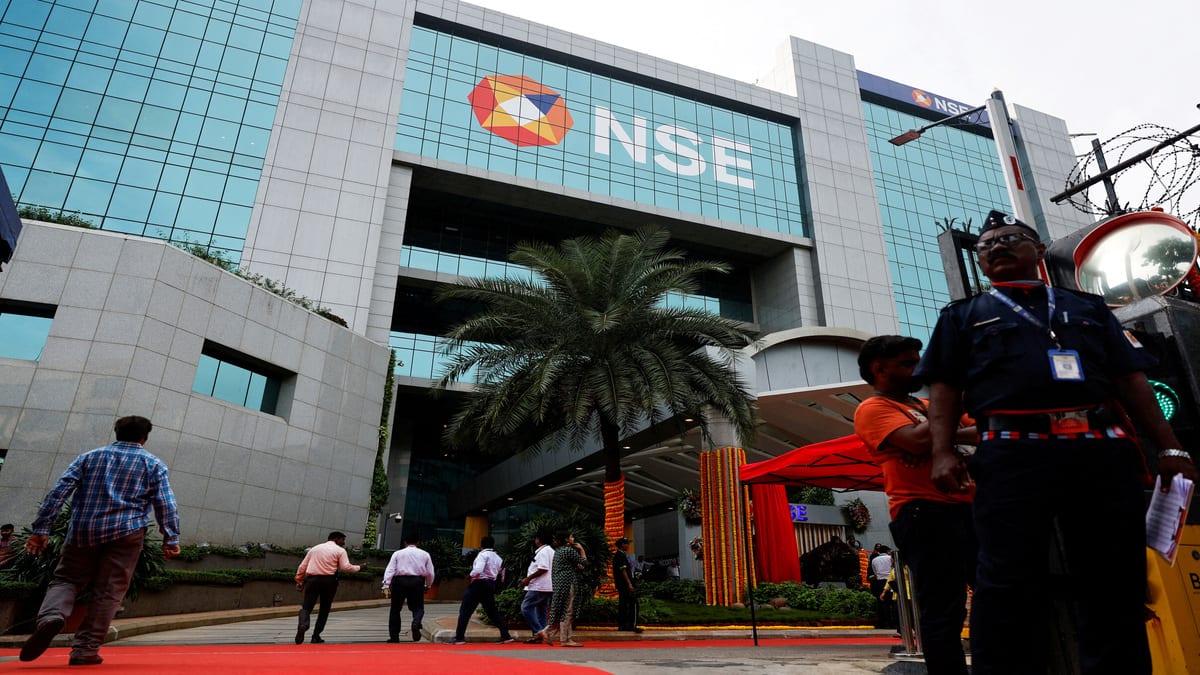
NSE IPO Opens After Decade-Long Wait, With Strong Interest

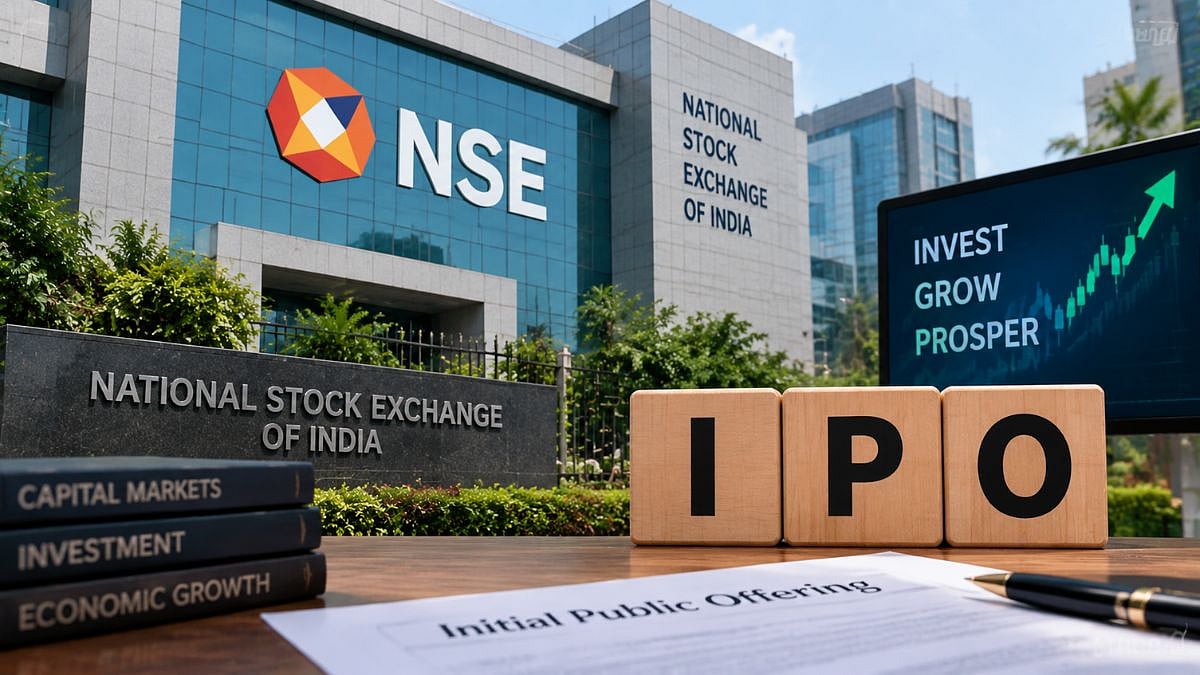
The National Stock Exchange of India is offering its shares to the public for the first time.
Its IPO opened on September 17 and is scheduled to close on September 21, 2026.
Each share costs between ₹1,700 and ₹1,785.
Retail investors must buy at least eight shares.
Existing shareholders are selling the shares, so the exchange itself will not receive the money.
The shares are expected to be listed on the BSE on September 24.
Some informal market trades suggest the shares could list above the highest IPO price.
However, these grey-market estimates can change and are not guarantees.
Investors also need to consider falling annual profit, derivatives regulations and technology disruptions.

NSE’s IPO opened on September 17, 2026, with subscription scheduled to close on September 21.
The price band is ₹1,700–₹1,785 per share, valuing the issue at up to ₹22,561.57 crore.
The offer consists entirely of 12.64 crore shares sold by existing shareholders, so NSE will receive no IPO proceeds.
Retail investors must bid for at least eight shares, requiring ₹13,600–₹14,280 across the price band.
Shares are scheduled to list on the BSE on September 24, following allotment on September 22.
- Who
- The National Stock Exchange of India, its selling shareholders and prospective investors.
- What
- NSE opened an IPO for up to 12.64 crore equity shares through a 100% offer for sale.
- Where
- The IPO is being offered in India, with the shares scheduled to list on the BSE.
- When
- Subscription opened September 17, 2026, and is scheduled to close September 21; allotment is scheduled for September 22 and listing for September 24.
- Why
- The issue marks NSE’s long-awaited entry into the public market after nearly a decade; it also allows existing shareholders to sell their stakes.
Potential Advantages
Investor Risks and Concerns
Market position and valuation
Potential Advantages
NSE is described as dominant in India’s cash-equity and derivatives markets and would be valued at about ₹4.42 lakh crore at the upper price band.
Investor Risks and Concerns
The valuation is high, and the IPO is expected to become India’s second-largest after Hyundai Motor India’s ₹27,870-crore issue.
Listing prospects
Potential Advantages
Grey-market trades reportedly indicated a premium of about ₹208 per share on September 15, implying a possible listing price near ₹1,993 and roughly 12% upside from the upper band.
Investor Risks and Concerns
Grey-market prices are informal, can change quickly and do not guarantee the actual listing price.
Use of IPO proceeds and operations
Potential Advantages
The offer gives investors access to an established exchange without requiring NSE to raise fresh capital through new shares.
Investor Risks and Concerns
Because the issue is entirely an offer for sale, NSE receives no funds for expansion or technology; investors must also assess derivatives regulation, declining FY26 profit and previous technology disruptions.
Key facts
- Price band
- ₹1,700–₹1,785 per equity share
- Issue size
- 12.64 crore shares; up to ₹22,561.57 crore
- Offer structure
- 100% offer for sale by existing shareholders
- Retail lot
- Eight shares, costing ₹13,600 at the lower band or ₹14,280 at the upper band
- Investor allocation
- Up to 50% for qualified institutional buyers, at least 15% for non-institutional investors and at least 35% for retail investors
- Anchor allocation
- 3.78 crore shares allotted at ₹1,785 each, raising ₹6,746 crore
- Scheduled listing
- BSE on September 24, 2026
Sources
Related news

NSE Fixes IPO Price Band at Rs 1,700-1,785

NSE IPO Opens With ₹14,280 Minimum Retail Investment

NSE Sets ₹1,700–₹1,785 Price Band for September IPO

NSE Sets IPO Price Band Ahead of September Subscription

NSE Cuts IPO Offer as Long-Awaited Listing Nears
NSE IPO Opens Amid Falling GMP and Mixed Brokerage Recommendations
NSE IPO Reaches 55% Subscription on Day Two
NSE IPO Draws 43% Subscription on Opening Day
NSE’s Rs 22,569-Crore IPO Opens With 9% Subscription
NSE IPO Raises ₹6,746 Crore From Anchor Investors