Archive · 19 Sep 2026
Naveen, Traders Challenge Proposed UPI Charges Ahead of October

Some shops may have to pay a fee when customers use UPI for purchases above Rs 2,000.
The fee would be 0.4% of the payment, with a maximum of Rs 300.
The shop, rather than the customer, would officially pay it.
Payments between two people would still be free.
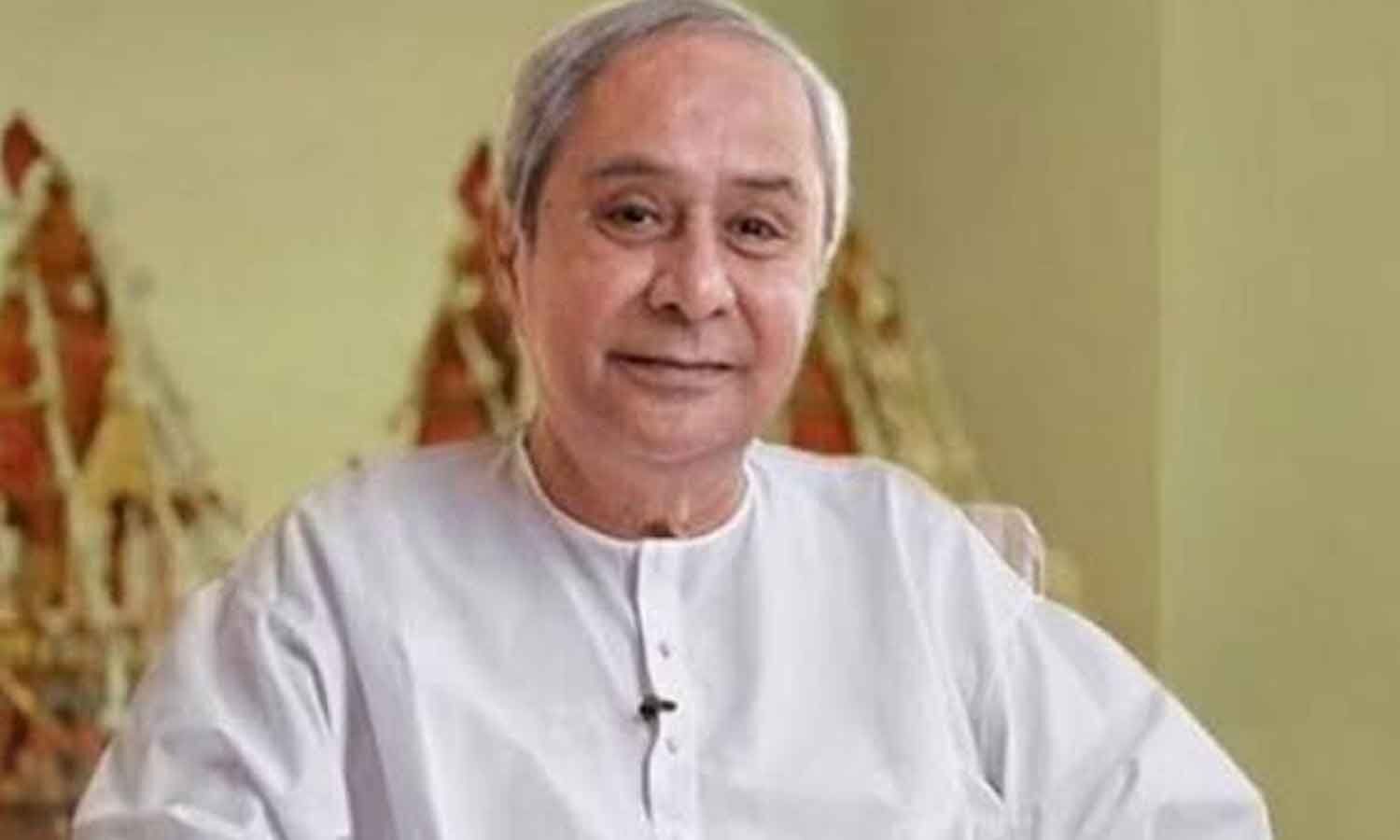
Naveen Patnaik said small traders and ordinary people should be protected.
The BJP said most UPI payments would remain free and that the fee would help improve digital payment systems.
Some Odisha shopkeepers said their profits are already very small.
They warned that they might stop encouraging customers to use QR-code payments if the fee begins on October 15.

Naveen Patnaik said common people and small traders should be protected from proposed UPI charges starting October 15.
The revised framework would impose a 0.4% MDR on eligible person-to-merchant UPI transactions above Rs 2,000, capped at Rs 300.
The charge would be paid by merchants, while person-to-person UPI payments would remain free.
The BJP said consumers would not be charged and that 96% of UPI transactions would remain free.
Odisha traders said thin profit margins could make the charge difficult to absorb and threatened to discourage QR-code payments.
- Who
- Naveen Patnaik, the BJP, Congress leaders, Odisha traders’ associations and shopkeepers are involved.
- What
- A proposed 0.4% Merchant Discount Rate would apply to eligible person-to-merchant UPI transactions above Rs 2,000.
- When
- The framework is scheduled to begin on October 15; Patnaik and traders commented on the issue on Friday.
- Where
- The political reactions were reported in Bhubaneswar, Odisha, while trader concerns came from markets across the state.
- Why
- Supporters say the charge would help strengthen digital payment infrastructure, while opponents say it could hurt consumers and traders with narrow profit margins.
Critics of the Charges
Supporters of the Framework
Impact on traders
Critics of the Charges
Naveen Patnaik, Congress leaders and traders said the charge could add pressure on small businesses, especially those operating on margins of around 1% or less.
Supporters of the Framework
The BJP said the charge would be borne by merchants and would not be passed directly to consumers.
Effect on ordinary people
Critics of the Charges
Congress leader Bhakta Charan Das called the measure another burden amid high inflation and said it could hurt consumers, grocery shops and vegetable vendors.
Supporters of the Framework
The BJP said consumers would continue to make UPI payments free because the framework applies to eligible merchant transactions rather than person-to-person payments.
Need for the charge
Critics of the Charges
Critics questioned why banks could not absorb the cost, while traders’ associations described MDR as an additional levy and sought exemptions for affected businesses.
Supporters of the Framework
The BJP said the measure was approved with the Parliament’s Standing Committee on Finance and would help strengthen digital payment infrastructure.
Use of QR payments
Critics of the Charges
Some Odisha traders said they might stop encouraging QR-code payments or require cash if the charge reduced their already narrow margins.
Supporters of the Framework
Supporters maintained that most UPI transactions would remain free, with the BJP estimating that only 4% would be affected.
- Proposed charge
- 0.4% MDR on eligible merchant UPI transactions above Rs 2,000
- Maximum charge
- Rs 300 per eligible transaction
- Official payer
- Merchants would bear the charge, and it would not be passed on to consumers
- Free payments
- Person-to-person UPI transactions would remain free
- Estimated coverage
- The BJP said 96% of UPI transactions are below Rs 2,000 and only 4% would be affected
- Start date
- October 15
- Trader response
- Some Odisha traders threatened to discourage QR-code payments because of their thin margins