

Archive · 31 Oct 2025
Sardar Patel's Role in Civil Services and Rani Chennamma's Challenge to Gender Norms
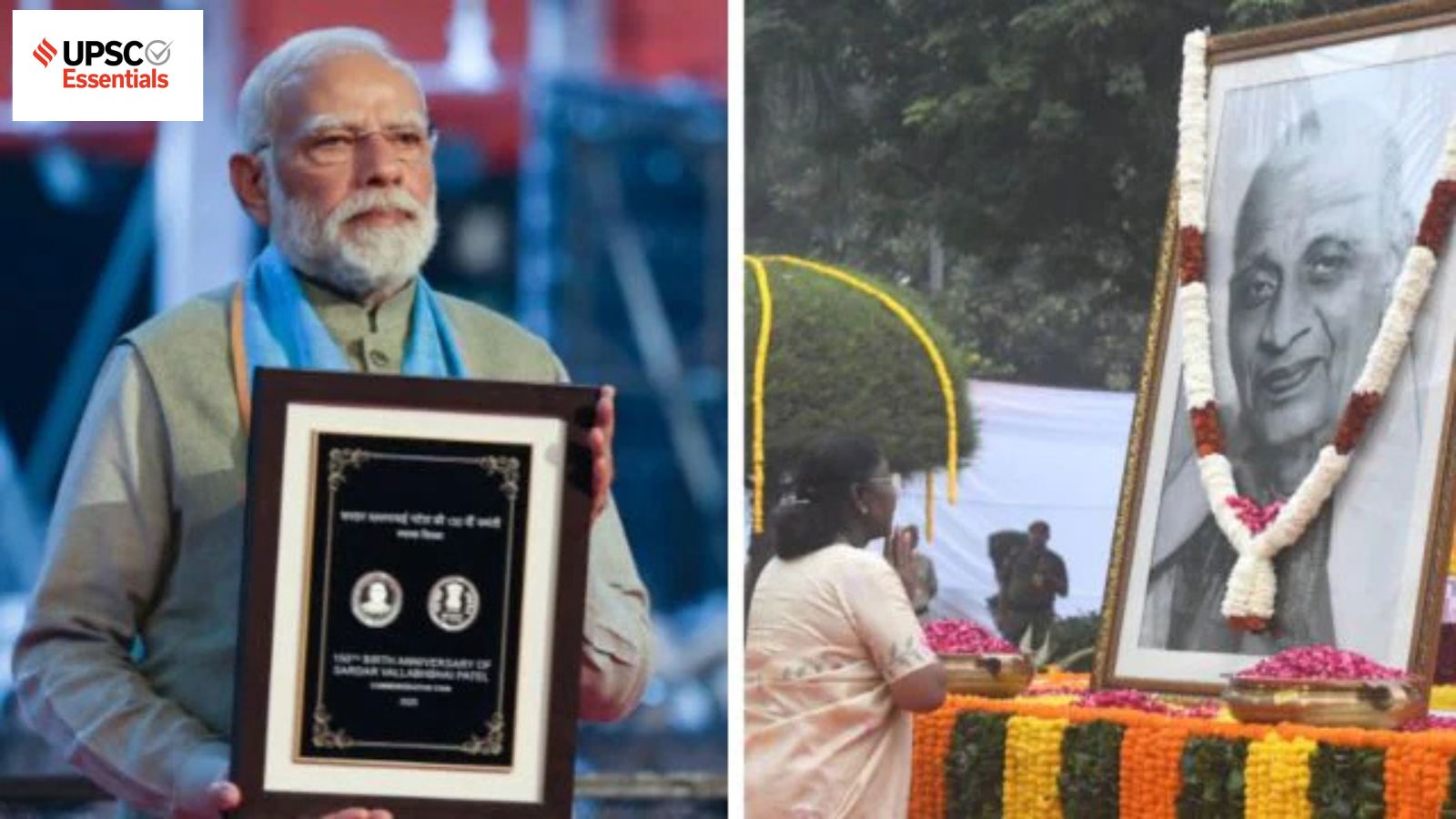
Imagine India just became its own country and needed strong teams to run it.
Sardar Patel was like a builder who created the important government teams, called civil services, to help keep India united and running smoothly.
He saw them as the strong backbone, or "steel frame," of the new nation.
Meanwhile, long before that, a brave queen named Rani Chennamma lived.
She was like a warrior queen who didn't want the British to take over her kingdom.
Even though it was unusual for women to lead armies back then, she bravely fought against the powerful British, showing that women could be strong leaders too.

Sardar Patel is recognized as the chief architect of India's civil services, described as the nation's "steel frame".
His foresight was crucial for administrative integration and maintaining the unity of post-independence India.
Patel played a pivotal role in the unification of 565 princely states, including the integration of Hyderabad through 'Operation Polo'.
Rani Chennamma of Kittur led an armed revolt against the British East India Company in 1824.
Her leadership challenged gender norms of the early 19th century by taking on the responsibilities of a queen-regent and leading military resistance.
- Who
- Sardar Vallabhbhai Patel and Rani Chennamma of Kittur.
- What
- Sardar Patel's foundational role in establishing India's civil services and Rani Chennamma's leadership challenging British rule and gender norms.
- When
- Post-independence India (for Patel) and early 19th-century India (for Chennamma).
- Where
- India.
- Why
- To ensure administrative integration and national unity (Patel) and to resist British expansion and assert her kingdom's sovereignty (Chennamma).
- Sardar Patel's Vision
- Envisioned all-India services as India's "steel frame" for national unity and integrity.
- Integration of Princely States
- Played a key role in uniting 565 princely states into the Indian Union.
- Operation Polo
- Timely action led to the integration of Hyderabad into India.
- Rani Chennamma's Revolt
- Led an armed revolt against the British East India Company in 1824.
- Kittur's Succession
- Became queen-regent after her husband's death and the heir's untimely demise, facing British rejection of her adopted son.
- Challenging Gender Norms
- As a female ruler, she challenged patriarchal structures and led military resistance.