

Archive · 7 Jun 2025
Why Some Birds Resort to Eating Their Own Young
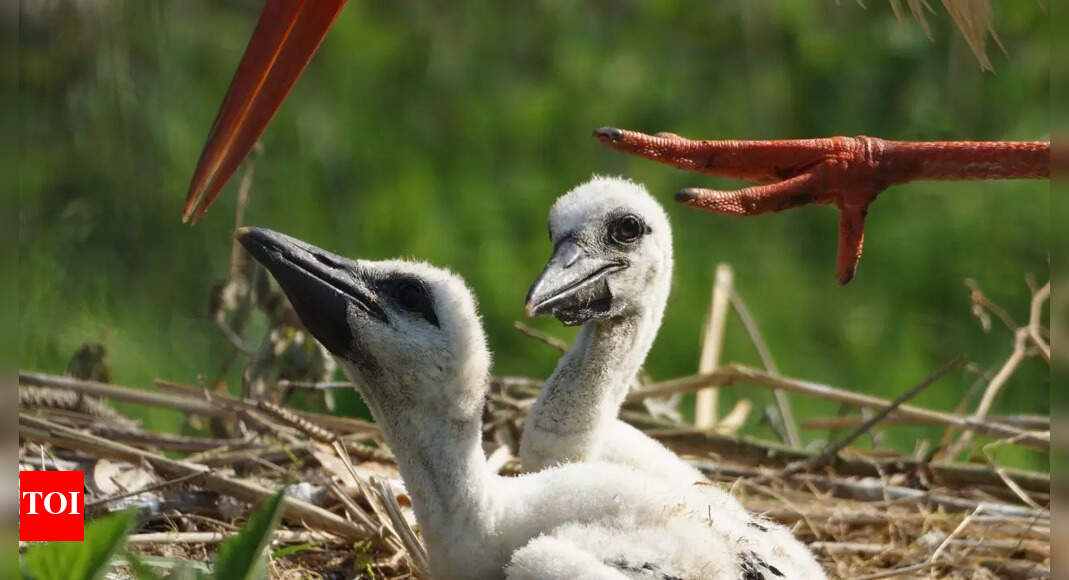
Sometimes, birds do something surprising: they eat their own babies!
It sounds yucky, but it's actually a smart move.
When food is hard to find, birds might choose to get rid of some of their chicks.
This helps the other chicks have a better chance to grow up strong.
It's like choosing which kids get all the food.
Scientists call this "brood reduction."
The parents might even eat the dead chick to get back some of the nutrients.
It's tough, but it helps the whole bird family survive in the long run.

Some bird species eat their own young, a behavior called filial cannibalism.
This behavior is a survival strategy known as brood reduction, especially when resources are scarce.
Parents may kill or eat weaker chicks to ensure the survival of the healthier ones.
White storks and other species have been observed practicing this behavior.
The behavior aims to increase the overall success of the species in challenging environments.
- Who
- Parent birds, such as storks, herons, and gulls.
- What
- Some bird species kill and sometimes eat their own offspring.
- When
- Occurs when environmental conditions are less than ideal, such as when food is scarce.
- Where
- Observed in various species, including storks, in challenging environments.
- Why
- To reduce competition for food and increase the survival chances of the remaining chicks when resources are limited.
Human Sentiment
Survival Strategy
Perspective on the Behavior
Human Sentiment
Views the behavior as cruel and shocking.
Survival Strategy
Considers it a necessary adaptation for survival, increasing the species' long-term success.
- Scientific Term
- Brood reduction
- Observed Species
- White and black storks
- Main Reason
- Reduce competition for food
- Study Authors
- Meir Friedmann and Dan Alon
- Goal
- Ensure survival of the remaining offspring
- Behavior
- Filial cannibalism