

Archive · 19 Aug 2025
The Lost Art of Rafugari: From Invisible Repair to Visible Mending
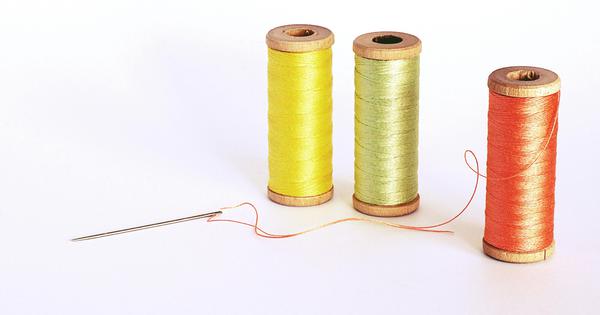
Rafugari is an old art of fixing clothes, where skilled artisans make tears and holes in fabric disappear.
They would carefully mend clothes, especially for important families, keeping the repairs secret.
This helped people keep up appearances, even if they were struggling.
But now, with fast fashion, this skill is fading away.
People are more likely to buy new clothes than repair old ones.
However, a new trend is emerging, where people are proudly showing off their repairs, turning mending into a form of art.

Rafugari, an ancient form of darning, was prevalent in Central Asia and North India, involving intricate embroidery.
It involved skilled artisans mending clothes with techniques like patchwork and tana-bana, making repairs nearly invisible.
Rafugari was used by aristocratic families to maintain a respectable image, with rafugars sworn to secrecy.
The art is becoming invisible today as people opt for new clothes rather than repair.
Visible mending is gaining popularity as an act of pride and a form of textile art.
- Who
- Skilled artisans called rafugars practiced the art of rafugari.
- What
- Rafugari is an ancient art of mending clothes with intricate techniques.
- When
- Rafugari was prevalent in the past, and is becoming less common today.
- Where
- Central Asia, Iran, Samarkand, and North India.
- Why
- Originally done out of need and preserving honor, now it is less practiced due to the popularity of new clothing.
Traditional Rafugari
Contemporary Visible Mending
Mending Philosophy
Traditional Rafugari
Focus on concealed repair to blend with the original fabric
Contemporary Visible Mending
Focus on visible mending, highlighting the repairs.
- Technique
- Patchwork and tana-bana
- Region of Origin
- Central Asia, North India
- Purpose
- Repairing torn clothing, maintaining appearances
- Modern Trend
- Visible mending
- Key Figure
- Priya Ravish Mehra