

Archive · 11 Jun 2025
Why Snakes Can't Slither Backwards: A Simple Explanation
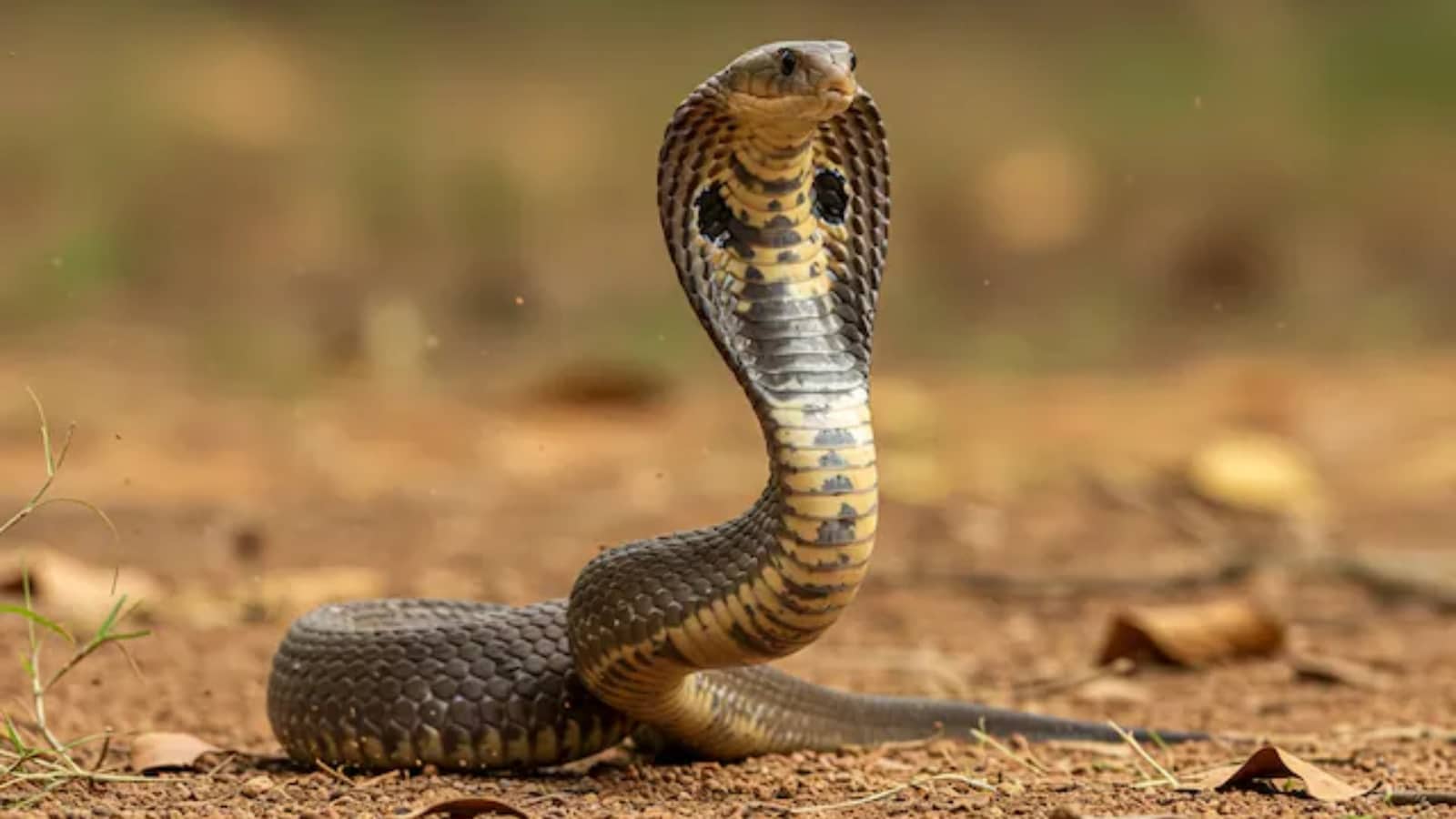
Imagine a snake trying to go backward!
It can't easily do it because of how its body is built.
Snakes use their muscles like waves to move forward.
They also have special scales on their belly that help them grip the ground and push forward.
These scales are angled to provide traction.
When trying to go backward, these scales create resistance, and the wave-like muscle motion would have to reverse, which their bodies aren't made to do.
Unlike other animals, snakes have no legs, so they depend entirely on their muscles and belly scales for moving.
While some other animals can move backward, snakes have a different body plan that makes this difficult.

Snakes move forward using wave-like muscle contractions and angled belly scales.
The angled ventral scales grip the ground, enabling forward movement but hindering backward motion.
Snakes lack legs, relying solely on muscle and scale interaction for movement.
Reversing the muscle wave goes against a snake's natural body structure and is energy-inefficient.
While some reptiles with legs, like lizards and crocodiles, can move backward, snakes cannot.
- Who
- Snakes
- What
- The reasons why snakes cannot slither backwards.
- When
- Not explicitly stated in the articles
- Where
- Not explicitly stated in the articles
- Why
- Due to their anatomy, including angled ventral scales and muscle structure.
- Main Reason
- Angled ventral scales and muscle structure
- Movement Type
- Wave-like muscle contractions
- Backward Movement
- Difficult or impossible
- Other Reptiles
- Lizards and crocodiles can, pythons cannot
- Humans
- Can walk backwards, but less efficiently