

Archive · 5 Jun 2025
Mustard Oil: Ban, Verdict, and Potential Health Implications in India
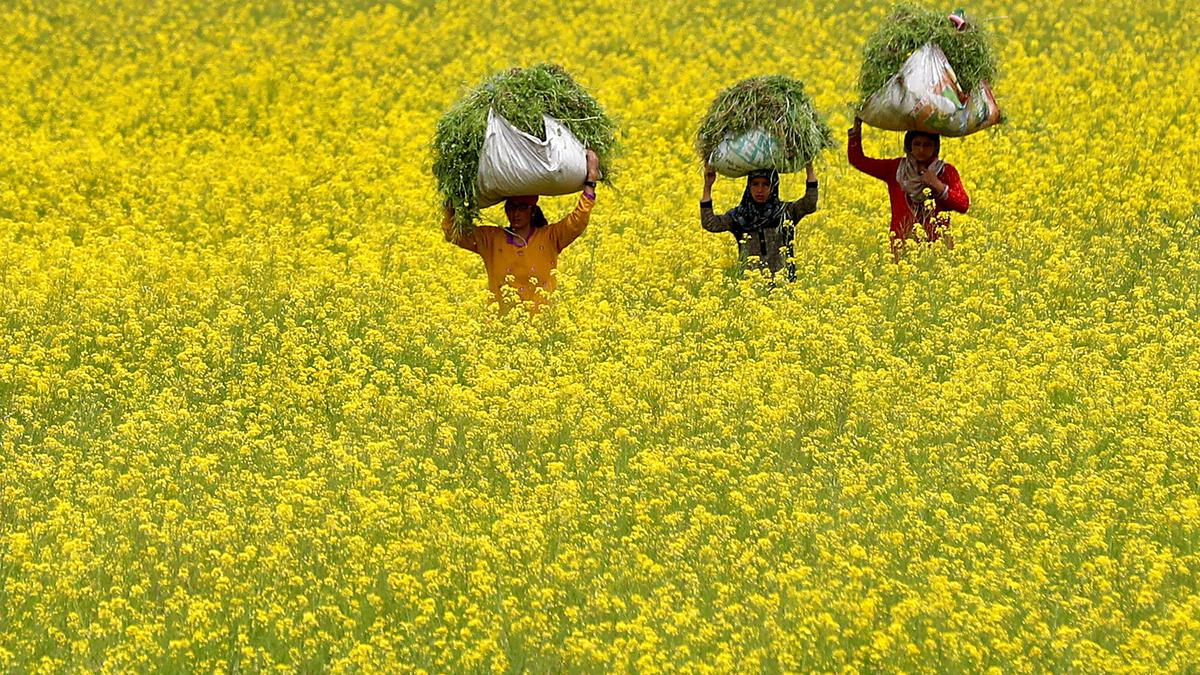
Imagine mustard oil like a special kind of cooking oil in India.
It naturally has a lot of a substance called erucic acid, which might not be good for your health.
The government made two decisions: first, they banned mixing mustard oil with other oils because they worried about people making the oil unsafe.
Second, they stopped the release of a special type of mustard plant, called DMH-11, that could have lowered the amount of erucic acid.
Scientists are trying to find ways to make mustard oil safer, either by mixing it with other oils or by growing special mustard plants.
The goal is to make sure the mustard oil we eat is good for us.

India's FSSAI banned blended mustard oil in 2021.
The Supreme Court ruled against the environmental release of GM mustard DMH-11 in 2024.
Mustard oil contains high erucic acid, potentially harmful to health.
Blending mustard oil can reduce erucic acid, but there's a risk of adulteration.
GM mustard DMH-11 could lower erucic acid and reduce edible oil imports.
- Who
- Food Safety and Standards Authority of India (FSSAI) and the Supreme Court.
- What
- Decisions regarding mustard oil, including a ban on blended oil and rejection of GM mustard.
- When
- June 8, 2021 (ban on blended oil); July 23, 2024 (Supreme Court ruling).
- Where
- India
- Why
- To protect consumer health and potentially boost domestic mustard crop output.
Concerns Regarding Blended Mustard Oil
Arguments For and Against DMH-11
Blending of Mustard Oil
Concerns Regarding Blended Mustard Oil
Blending can reduce erucic acid levels, potentially benefiting health, but the ban aims to prevent adulteration.
Arguments For and Against DMH-11
Allows blending up to 20% but should be in packaged/branded form with clear labeling. Strict enforcement of food safety laws is essential.
Environmental Release of DMH-11
Concerns Regarding Blended Mustard Oil
One judge cited insufficient health impact assessment as a reason for opposing DMH-11.
Arguments For and Against DMH-11
DMH-11 could reduce erucic acid and potentially lower the need for edible oil imports.
- Blended Mustard Oil Ban Date
- June 8, 2021
- DMH-11 Ruling Date
- July 23, 2024
- Erucic Acid Content in Indian Mustard Oil
- 40% to 54%
- Acceptable Erucic Acid Level (International)
- <5%
- Edible Oil Samples Failing Quality Tests (2020 Survey)
- 24.21%
- Erucic Acid Content in DMH-11
- 30% to 35%