Archive · 25 Dec 2025
MGNREGA Replaced by New Rural Act
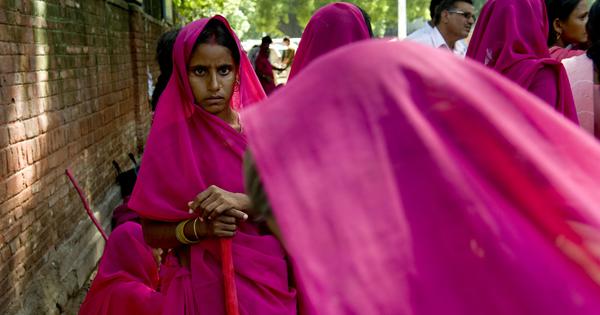
The government has replaced the old MGNREGA program, which gave rural people 100 days of work each year, with a new law called the Viksit Bharat-G RAM G Act.
This new law increases the guaranteed work days to 125 and focuses on building long-term infrastructure.
Some people, like former NITI Aayog CEO Amitabh Kant, support this change because they believe it better fits today's rural economy, which has seen improvements in infrastructure and digital payments.
However, others, like Congress leader Rahul Gandhi, oppose the new law, saying it takes away the rights and flexibility that MGNREGA provided.
The new law also changes how the program is funded, with the central and state governments sharing the costs.
The opposition argues that this could put more financial burden on the states.

The Mahatma Gandhi National Rural Employment Guarantee Scheme (MGNREGA) has been replaced by the Viksit Bharat-G RAM G Act, 2025.
The new act increases the guaranteed employment days from 100 to 125 per year and focuses on productive rural employment and durable assets.
Supporters argue that the new law aligns with rural India’s changing realities, including improved infrastructure and digital payments.
Opposition critics claim the new bill is anti-state and anti-village, turning the rural employment guarantee into a rationed scheme controlled from Delhi.
The financial responsibility for the new program will be shared between the Centre and state governments, with varying proportions for different regions.
- Who
- The Narendra Modi government
- What
- Replaced the Mahatma Gandhi National Rural Employment Guarantee Scheme (MGNREGA) with the Viksit Bharat-G RAM G Act, 2025
- When
- Last week
- Where
- Rural India
- Why
- To align rural employment with the evolving needs of India’s rural economy and enhance productivity, accountability, and governance
Government Supporters
Opposition Critics
Purpose of the New Act
Government Supporters
The Viksit Bharat-G RAM G Act, 2025, is an evidence-based update that aligns with rural India’s changing realities, focusing on productive employment and durable assets.
Opposition Critics
The new bill is anti-state and anti-village by design, turning the rural employment guarantee into a rationed scheme controlled from Delhi.
Funding and Governance
Government Supporters
The new law improves governance with faster payments, clearer accountability, and shared financial responsibility between the Centre and state governments.
Opposition Critics
The new law demolishes the rights-based, demand-driven guarantee that MGNREGA provided, and any excess expenses will be borne by the states.
- Scheme Name
- Mahatma Gandhi National Rural Employment Guarantee Scheme (MGNREGA)
- Implementation Year
- 2005
- Guaranteed Employment
- 100 days per year per rural household (increased to 125 days under the new act)
- Primary Beneficiaries
- Landless labourers, women, and marginalised caste groups
- Social Impact
- Weakened traditional power structures, enhanced bargaining power, improved women's economic security
- Economic Impact
- Increased incomes, savings, and daily earnings for men and women
- Current Status
- Replaced by the Viksit Bharat-G RAM G Act, 2025
- Funding Under New Act
- 90% Centre, 10% State for northeastern and Himalayan states; 60% Centre, 40% State for other states and Union Territories
Sources
The end of MGNREGA is the undoing of a social revolution in rural India

From Mahatma to Ram: A move in tune with changing times

'MGNREGA was for different rural economy': Amitabh Kant defends Viksit Bharat G RAM G
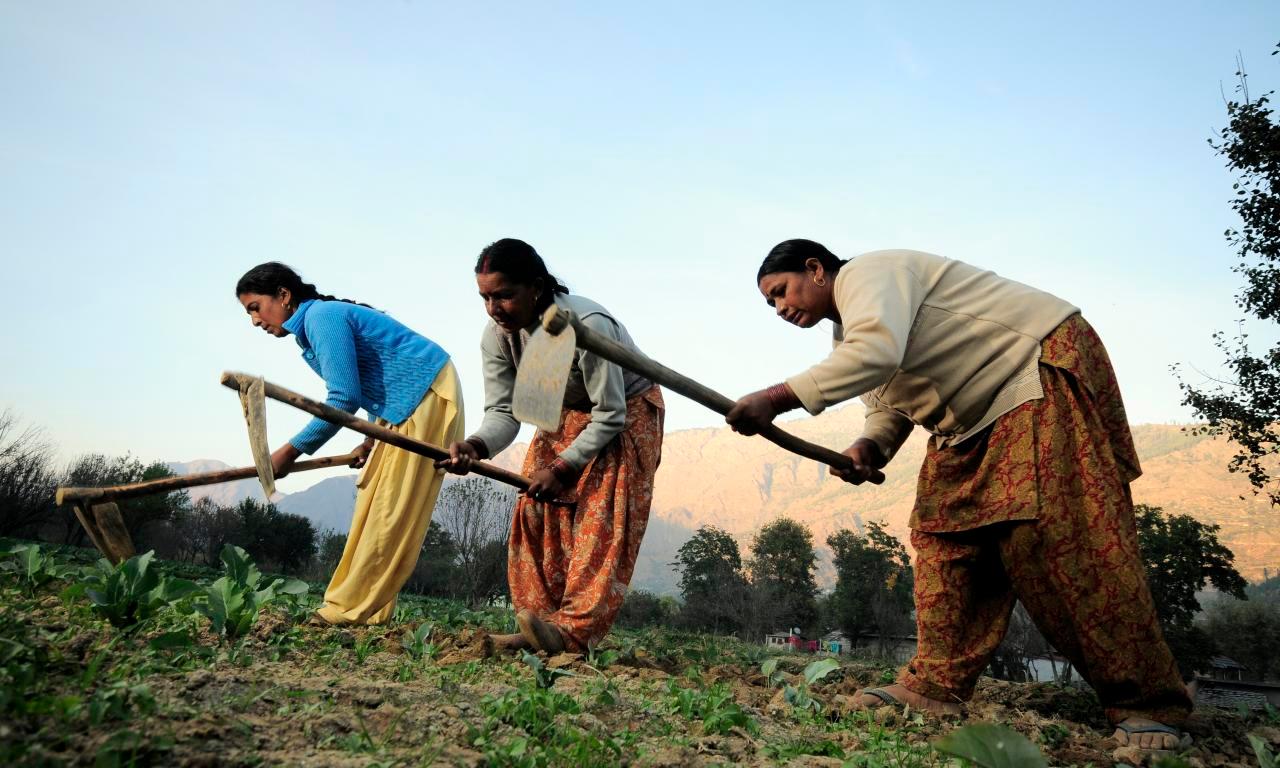
Shikha Mukerjee | Centre vs State: G-Ram-G Fresh Thorn in Torn Flesh

The Right To Work Was Never A Slogan: Why Replacing NREGA Is A Step Back
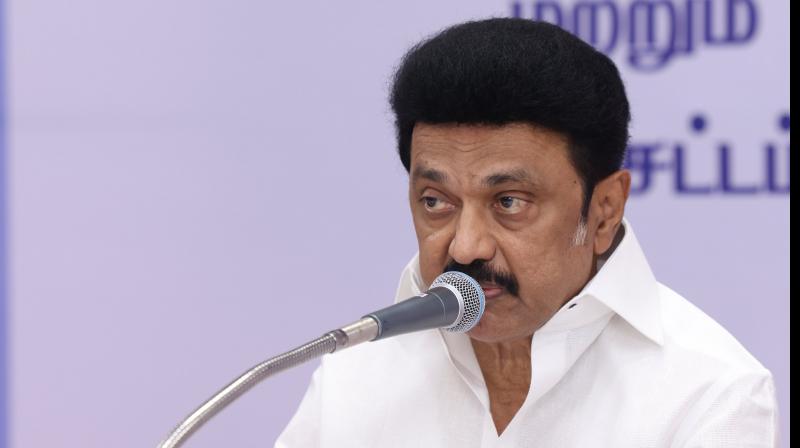
Tamil Nadu Protests Against VB-G RAM G Is For All Indian Farmers: Stalin

VB-G RAM G marks a breach of contract between the poorest citizen and the republic
Harnessing the learnings of MGNREGS

MGNREGA to G Ram G: How a new flashpoint may shape BJP vs Gandhi family conflict in 2026