Archive · 9 Nov 2025
Vande Mataram Debate: A Compromise of India's Soul

Imagine India has a very special song called 'Vande Mataram' that means 'I bow to you, Mother India'.
It was super important when India was fighting to be free.
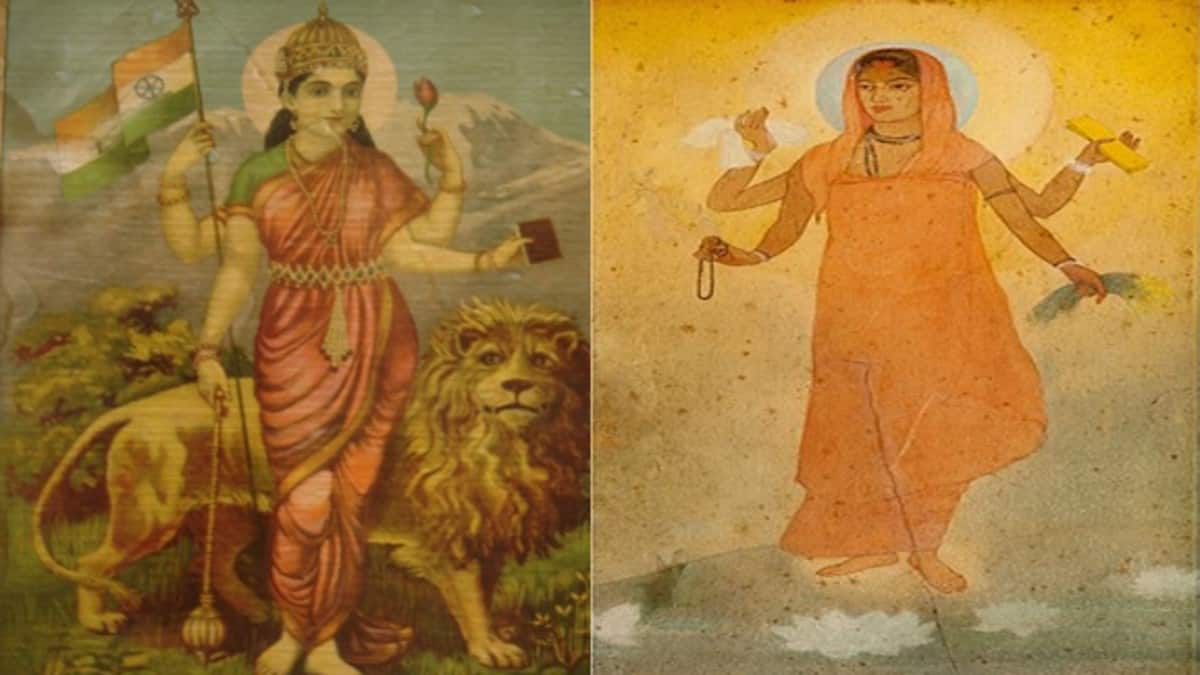
But, some people, like those from the Muslim League back then, didn't like parts of it because it described the country like a goddess, and their religion doesn't allow worshipping idols.
Leaders like Gandhi tried to find a middle way.
The author of this opinion piece feels that giving up on the full song because of these objections was like letting a few people ruin something important for everyone.
They think this was not just being nice to certain groups (appeasement) but was actually hurting the true spirit and ancient traditions of India.
The author believes that India needs to stand up for its identity, even if it means not pleasing everyone, to truly find harmony.

The article argues that India's leadership compromised the nation's 'soul' by giving up on the full rendition of 'Vande Mataram' due to objections from a minority.
The author criticizes this action as a betrayal and appeasement that emboldened recalcitrant groups, rather than a well-intentioned effort for unity.
'Vande Mataram' is presented as a symbol of India's ancient traditions, particularly Shaktism, and its rejection is seen as a denial of national cultural identity.
The piece suggests that leaders like Gandhi imposed their personal moralistic views, mistaking personal salvation for universal enlightenment, which led to flawed national decisions.
The author advocates for standing firm on national identity and love for the motherland, even if it means being a minority in one's stance, to achieve genuine harmony.
- Who
- Author Pariksith Singh, historical leaders like M.K. Gandhi, and various political and religious groups in India.
- What
- An opinion piece arguing that compromising on the national song 'Vande Mataram' due to minority objections was a betrayal of India's soul and cultural identity, rather than mere appeasement.
- When
- The article discusses historical decisions made before and after India's Independence, with the opinion piece published on November 09, 2025.
- Where
- India, concerning national identity, cultural symbols, and secular policies.
- Why
- The author believes that the nation's leadership compromised its core values by accommodating an 'intransigent minority' over the song 'Vande Mataram', which represents India's Shaktism and ancient traditions.
Author's View: Moralistic Leadership and Cultural Betrayal
Historical Context: Appeasement and Minority Concerns
Secularism and National Identity
Author's View: Moralistic Leadership and Cultural Betrayal
The author argues that leaders, including Gandhi, imposed their personal moralisms and preferences on the nation, mistaking personal salvation for universal enlightenment. This led to a compromise of India's 'soul' by giving up on 'Vande Mataram' due to objections from an 'intransigent minority', which the author views as a betrayal and appeasement that emboldened recalcitrant sections.
Historical Context: Appeasement and Minority Concerns
The article implies a historical context where leaders were cautious in dealing with minority concerns. While not explicitly stated in this opinion piece, the reference to Gandhi and the Muslim League in the existing summary suggests a historical rationale for accommodating religious sensitivities. The author frames this accommodation negatively, calling it appeasement.
The Significance of 'Vande Mataram'
Author's View: Moralistic Leadership and Cultural Betrayal
The author views 'Vande Mataram' as a mantra of the entire nation, inspired by Bankim Chandra's creation, and embodying the ancient traditions of Shaktism. Rejecting it is seen as a betrayal of India's soul and its cultural heritage, particularly its Hindu identity.
Historical Context: Appeasement and Minority Concerns
The existing summary indicates that the religious imagery in 'Vande Mataram', depicting the motherland as a goddess, was problematic for minority groups like the Muslim League, who considered it 'idolatrous' and 'anti-Muslim'. This suggests a conflict between the song's symbolism and certain religious tenets.
The Price of Compromise
Author's View: Moralistic Leadership and Cultural Betrayal
According to the author, India has paid a price for its leaders' compromises, which created a 'dystopian society' and a superficial expression of goodwill. The author advocates for a return to core truths and spirituality, with uncompromising individuals articulating dharma to bring the nation back to its center for true harmony.
Historical Context: Appeasement and Minority Concerns
The existing summary notes that leaders like Gandhi and the Congress adopted a cautious approach, opting to sing only initial stanzas of 'Vande Mataram' and not enforcing it to maintain Hindu-Muslim unity. This historical approach, though presented negatively by the author, was a conscious decision to manage religious sensitivities.
- Article Type
- Opinion
- Author
- Pariksith Singh
- Publication
- News18.com
- Date Published
- November 09, 2025
- Song Composition Reference
- Bankim Chandra
- Key Themes
- Secularism, appeasement, minority concerns, national soul, cultural identity, religious compromise