

Archive · 22 Jul 2026
World Brain Day 2026: 10 Daily Habits for Brain Health
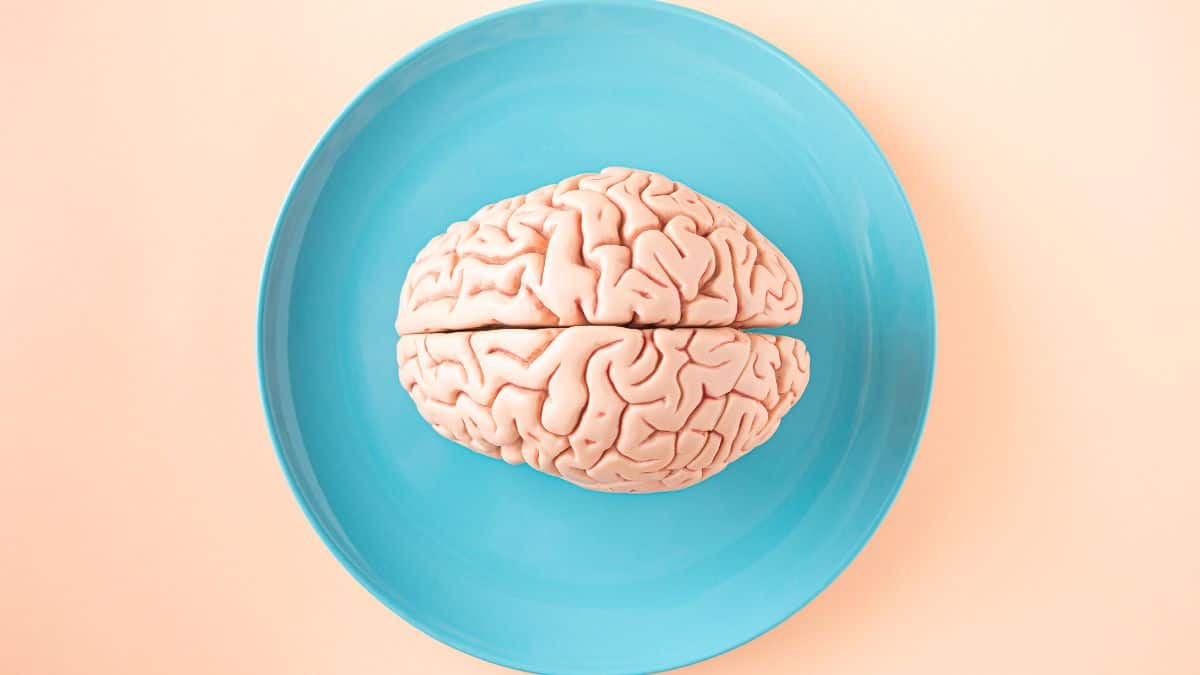
World Brain Day 2026 is a global event that emphasizes the importance of daily habits to keep your brain healthy.
Dr. Sujit Kumar, a neurologist, shares 10 habits that can help maintain brain health.
These habits include staying physically active, eating a brain-friendly diet, getting quality sleep, keeping your mind active, managing stress, staying socially connected, managing blood pressure, sugar, and cholesterol, avoiding cigarettes and limiting alcohol, staying hydrated, and paying attention to warning signs.
These habits can help reduce the risk of cognitive decline and support long-term brain health.
The event highlights that maintaining brain health is a lifelong commitment that depends on consistent habits rather than quick solutions.

World Brain Day 2026 emphasizes the importance of daily habits for brain health.
Dr. Sujit Kumar shares 10 habits to maintain cognitive function and reduce the risk of decline.
Habits include physical activity, a brain-friendly diet, quality sleep, mental stimulation, stress management, social connections, health management, avoiding cigarettes and alcohol, hydration, and attention to warning signs.
Chronic conditions like hypertension, diabetes, and high cholesterol can negatively impact brain health.
Early medical evaluation of warning signs is crucial for preventing serious neurological issues.
- Who
- Dr. Sujit Kumar, Director and Senior Consultant - Neurology at KIMS Hospitals, Bengaluru
- What
- World Brain Day 2026 highlights 10 daily habits to maintain brain health
- When
- 2026
- Where
- Global event, emphasized by Dr. Sujit Kumar in Bengaluru
- Why
- To promote awareness about the importance of daily habits in maintaining brain health and preventing cognitive decline
Proactive Brain Health
Passive Brain Health
Daily Habits
Proactive Brain Health
Consistent daily habits like physical activity, mental stimulation, and social engagement are crucial for maintaining brain health and cognitive function.
Passive Brain Health
Some believe that occasional healthy practices are sufficient to maintain brain health, and that strict daily routines are unnecessary.
Medical Intervention
Proactive Brain Health
Regular health check-ups and early medical evaluation of warning signs are essential for preventing serious neurological issues.
Passive Brain Health
Others argue that only significant symptoms warrant medical attention, and routine check-ups are not necessary for everyone.
- Event
- World Brain Day 2026
- Expert
- Dr. Sujit Kumar
- Key Habits
- Physical activity, brain-friendly diet, quality sleep, mental stimulation, stress management, social connections, health management, avoiding cigarettes and alcohol, hydration, attention to warning signs
- Impact of Habits
- Reduces risk of cognitive decline, supports long-term cognitive function, improves memory and concentration
- Chronic Conditions
- Hypertension, diabetes, high cholesterol
- Warning Signs
- Persistent memory loss, confusion, speech difficulties, sudden weakness, severe headaches