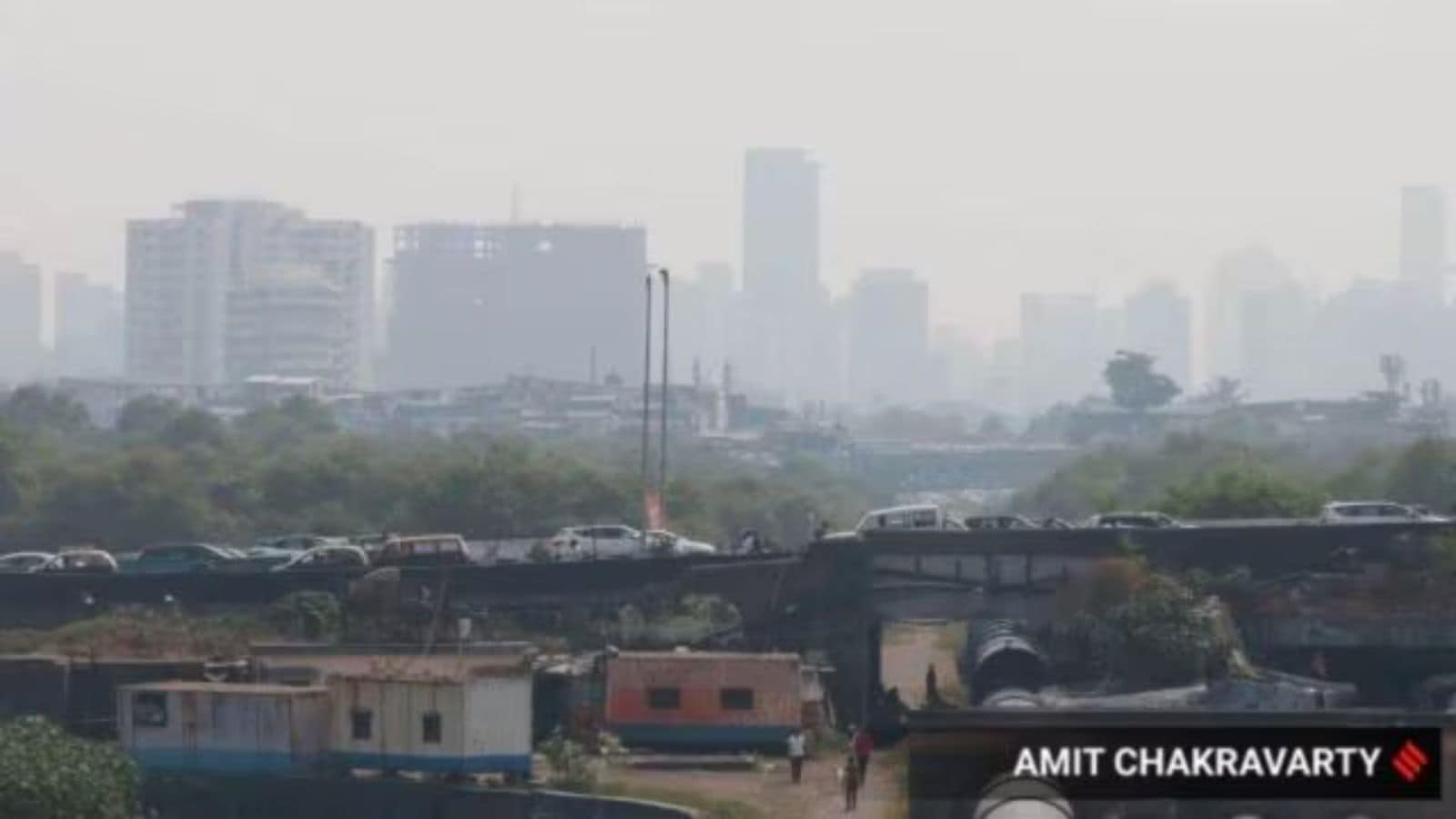
Archive · 8 Nov 2025
Karachi Air Quality Declared Hazardous Amid Smog and Cold
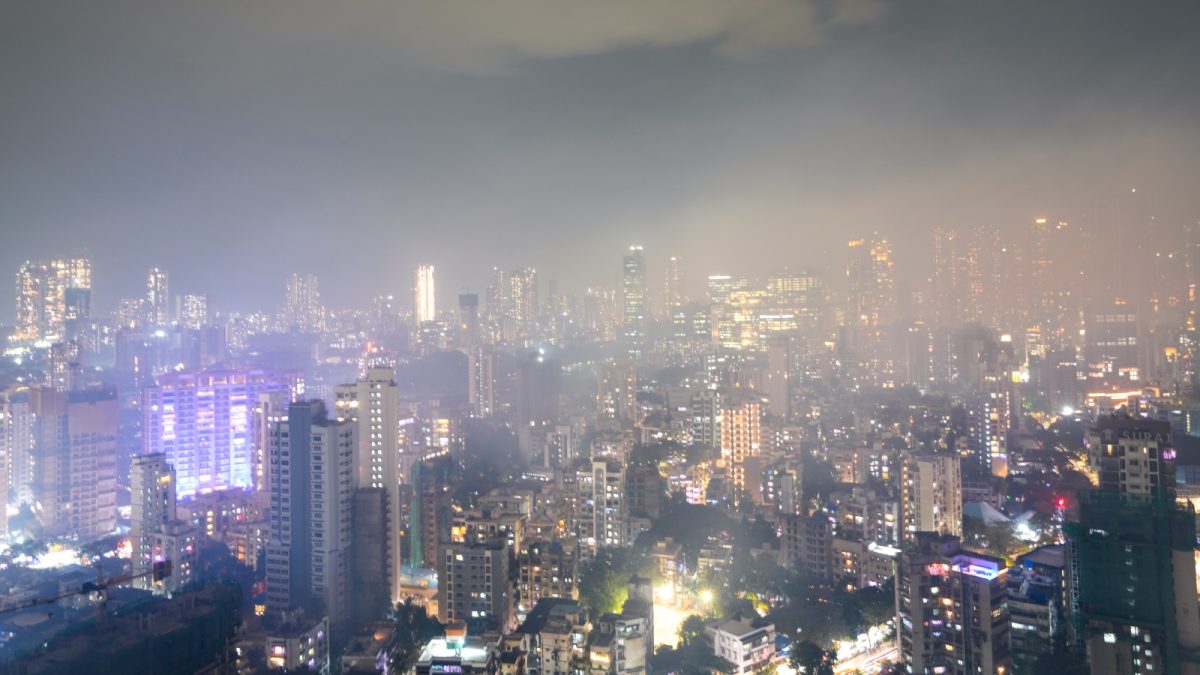
Imagine the air in Karachi is like a giant blanket.
Usually, the wind blows away any dust or pollution, keeping the air clean.
But lately, it's become very cold, and the winds are blowing very slowly.
This means the dust from many construction sites and other pollution is getting trapped under the blanket.
This trapped pollution is called smog, and it's making the air very bad, almost like breathing in dust.
It's not fog because there isn't enough moisture in the air for fog to form.
Doctors are worried, especially for children, because many kids are getting sick with coughs and even pneumonia.
They are telling people to wear masks and eat healthy food to try and stay safe from the bad air.

Karachi's air quality has been declared 'hazardous' due to smog.
The smog is attributed to cold weather, slow wind speeds, and dust from construction sites.
Experts differentiate the current situation from fog, stating it is intense air pollution.
Health risks are elevated, particularly for children, with increased reports of chest infections and pneumonia.
Authorities advise wearing masks and maintaining good health to mitigate risks.
- Who
- Health experts, Chief Meteorologist Ameer Hyder Laghari, Pakistan Meteorological Department, Pakistan Medical Association (PMA), Burhani Hospital, Al-Mustafa Medical Centre
- What
- Karachi's air quality has reached 'hazardous' levels due to smog, posing significant health risks.
- When
- Early mornings and continuing; specifically noted on Friday, November 7, with temperature drops observed from Monday, November 3.
- Where
- Karachi, Pakistan
- Why
- A combination of cold weather, low wind speed slowing pollutant dispersal, and dust from construction sites leading to hazardous smog. This is not fog, which requires high moisture.
Causes of Hazardous Air Quality
Health Impacts and Precautions
Nature of the Pollution
Causes of Hazardous Air Quality
Karachi is experiencing "hazardous smog" due to a significant drop in minimum temperatures and slow wind speeds. This smog, a form of intense air pollution, reduces visibility and is detrimental to health and the environment. Experts clarify it is not fog, as the required high moisture content is absent.
Health Impacts and Precautions
Health experts highlight the severe health risks posed by the hazardous air quality, especially to children. They emphasize the need for precautions like wearing face masks and consuming nutritious food to boost immunity and protect against respiratory illnesses.
Contributing Factors and Health Concerns
Causes of Hazardous Air Quality
The smog is exacerbated by dust from numerous under-construction sites across the city. Cold weather and low wind speed contribute to the build-up of pollutants, failing to disperse them effectively. The Pakistan Meteorological Department data shows a drop in minimum temperature and low relative humidity.
Health Impacts and Precautions
Dust allergies have become a major problem in Karachi, with children being the most affected. Doctors report a significant increase in cases of chest infections, including pneumonia requiring hospitalization, directly linked to the current air quality conditions.
- Air Quality Status
- Hazardous
- Ranking of Polluted Cities
- Fourth most polluted city globally on Friday
- Minimum Temperature Drop
- From 20°C on Nov 3 to 17°C on Nov 7
- Relative Humidity (Friday)
- 17% (early morning), 16% (evening)
- Contributing Factors
- Smog, dust from construction sites, cold weather, low wind speed
- Primary Affected Group
- Children
- Reported Health Issues
- Increased chest infections, pneumonia, dust allergy