Archive · 26 Jul 2025
US Tariff Threat Sparks Contract Cancellations in Brazil
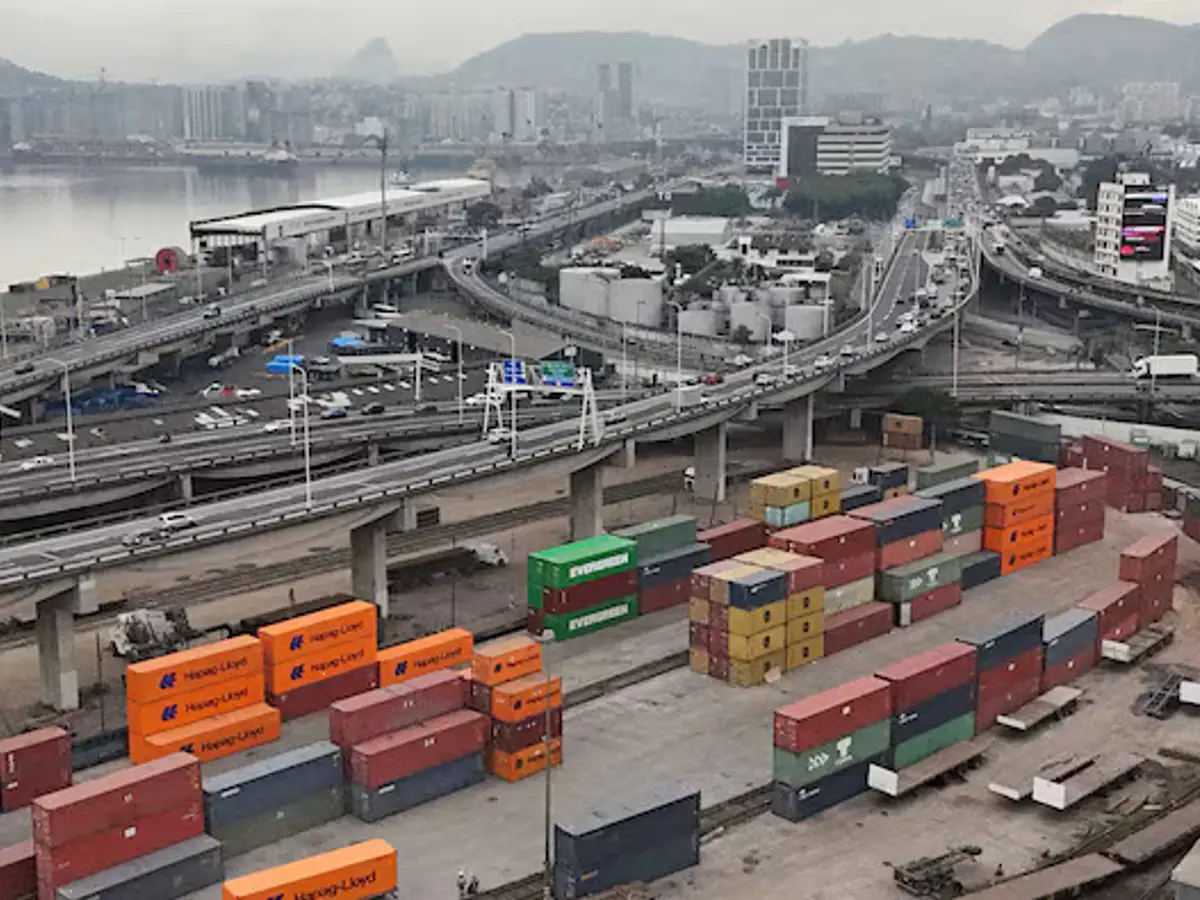
The U.S. is planning to charge extra taxes on goods from Brazil starting August 1.
Because of this, companies in Brazil that export chemicals to the U.S. are having their contracts cancelled.
This is affecting many other businesses that use chemicals, like those that make orange juice, coffee, and other food items.
Both countries haven't been talking much about the problem recently, making things worse and worrying the industry.

US tariffs on Brazilian goods, slated for August 1, are causing contract cancellations.
Brazil's $2.4 billion chemical export industry to the US is significantly affected.
Orders for resins and compounds used in fertilizers have been cancelled.
Other sectors, including agriculture and food processing, are experiencing fallout.
Negotiations between the US and Brazil have stalled, leading to increasing industry fears.
- Who
- Brazilian chemical exporters, US importers, US President Trump, Brazilian Vice President Geraldo Alckmin.
- What
- US tariffs are impacting Brazilian chemical exports.
- When
- Tariffs are planned to start on August 1.
- Where
- Trade between Brazil and the United States.
- Why
- Tariffs are being applied due to political issues.
Brazilian Chemical Industry/Government
US Government
Rationale for Tariffs
Brazilian Chemical Industry/Government
Tariffs are unjustified and harmful to Brazilian trade and economy.
US Government
The tariffs are a response to Brazil's political support for a former president.
Trade Imbalance
Brazilian Chemical Industry/Government
Brazil has a trade deficit with the US.
US Government
US has the power to levy tariffs as a trade tactic.
- Tariff Rate
- 50%
- Start Date
- August 1 (planned)
- Affected Industry
- Brazilian chemical exports
- Brazilian Exports to US
- $2.4 billion
- Estimated Job Losses
- Over 100,000
Sources

Brazil scrambles as U.S. tariff deadline looms, talks stall
Trump’s 50% tariff threat hits Brazilian chemical exports as US orders cancelled

Brazil Producers Look to Halt Pig Iron Output as US Tariff Threat Crimps Demand