

Archive · 7 Jan 2026
Himalayan Villages Govern Land Through Deity Custodianship
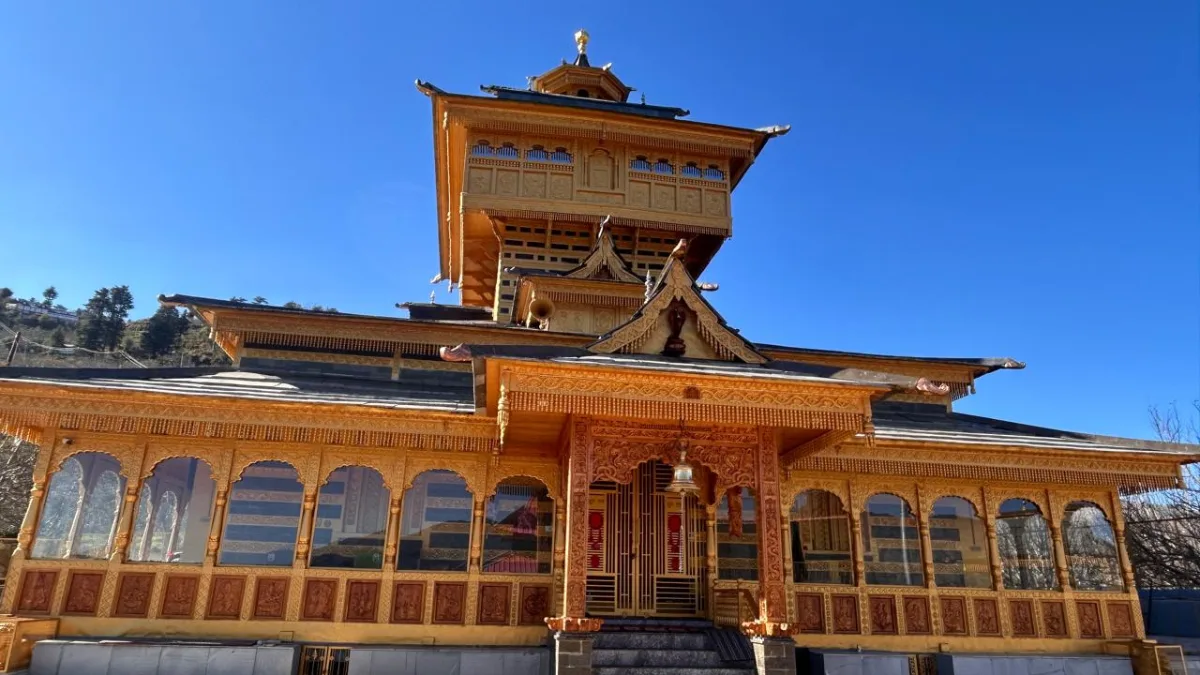
In the Himalayas, some villages like Jhadak have a special way of managing land.
They believe that the land belongs to their village deity, Nageshwar Maharaj, and the people are just caretakers.
They can use the land, grow crops, and live on it, but they can't sell it.
This system has been in place for generations and helps the community survive.
The land is protected because it's considered sacred, and activities like mining or large-scale tree cutting are rare.
When big projects come to the area, the villagers and their deity's representatives decide together if the project is good for the community and the environment.
This system has helped protect the land from being taken over by outsiders and has also shown a different way of managing land in sensitive ecological regions.

In Jhadak village, land is considered the property of the deity Nageshwar Maharaj, with villagers acting as caretakers.
Villagers have usufructuary rights, allowing them to use, inherit, and depend on the land but not to sell or own it.
The land governance system is collectively managed by local institutions like kardars, khunds, temple committees, and village assemblies.
Deity-owned land enjoys legal protection as it is treated as minor's property, preventing commercial transfer and fragmentation.
The system has successfully resisted large infrastructure and tourism projects, such as the Himalayan Ski Village, through community consent mechanisms.
- Who
- Villagers of Jhadak and other Himalayan villages, Nageshwar Maharaj (village deity), local institutions like kardars and khunds
- What
- A unique land governance system where land is collectively guarded by a deity, and villagers have usufructuary rights
- When
- The system has been in place for centuries, with the Shand Mahayajna ceremony revived in December 2023 after a 54-year gap
- Where
- Jhadak village in Jubbal tehsil, Himachal Pradesh, India, with similar patterns across 12 districts
- Why
- To protect land from commercial transfer, prevent fragmentation, and sustain the community's livelihood, as well as to preserve ecological balance and sacred landscapes
- Location
- Jhadak village, Jubbal tehsil, Himachal Pradesh, India
- Land Area
- Around 91 acres recorded in the name of deities in Jubbal region
- Land Governance
- Collective guardianship by village deity, Nageshwar Maharaj
- Usufructuary Rights
- Villagers can use, inherit, and depend on the land but cannot sell or own it
- Legal Protection
- Deity-owned land is treated as minor's property, preventing commercial transfer
- Sacred Forests
- Over 500 sacred forests and groves mapped in Himachal Pradesh
- Controversial Project
- India's first Himalayan Ski Village project was canceled due to resistance
- Hydropower Project
- Six acres of deity land transferred for a hydropower project with community consent