1 hr ago
RBI Rate Rise Is Needed to Curb Inflation and Rupee Weakness
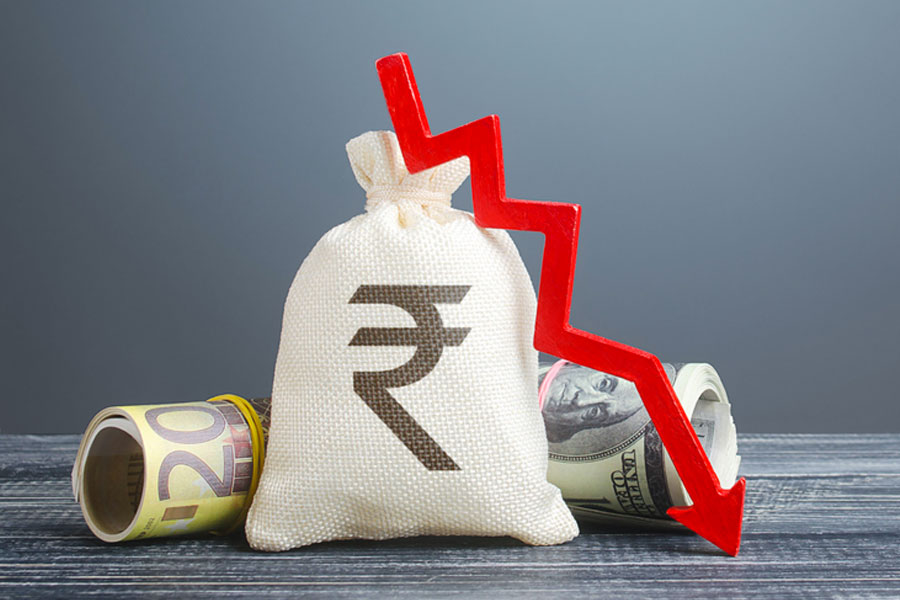
The Reserve Bank of India has made borrowing money more expensive by raising a key interest rate.
The editorial says this is needed because prices may keep rising.
Higher energy costs and risks to crop supplies could make food, fuel and transport more expensive.
The rupee has also lost value against the US dollar, which can raise the cost of imported oil.
Higher costs can make life harder, especially for families with less money.
Higher interest rates may help make rupee investments more attractive and discourage money from leaving the country.
But the move can also make loans more expensive and slow borrowing.
The editorial says keeping prices and the rupee steadier is more important than supporting growth with very easy borrowing.
It says the RBI may need to raise rates again if inflation spreads.

The Reserve Bank of India raised its repo rate by 25 basis points to 5.5%.
The editorial cites rising inflation risks from higher energy costs, deficient rainfall and a possible Super El Niño.
Median inflation is estimated to rise to 9.9% over the next three months, while the one-year projection reaches 10.0%.
The rupee has fallen around 7% against the dollar this year and is near its all-time low, making imported crude more expensive.
The editorial argues that price and currency stability should outweigh concerns about slower credit growth and higher borrowing costs.
- Who
- The Reserve Bank of India (RBI).
- What
- It raised the repo rate by 25 basis points to 5.5%; the editorial supports the move as a response to inflation and rupee weakness.
- Where
- India.
- When
- The article does not give a date for the decision; it says the rupee has fallen around 7% against the dollar this year.
- Why
- The editorial says rising inflation, higher energy costs, risks to agricultural supplies and rupee depreciation make timely monetary tightening necessary.
Prioritize stability
Limit borrowing costs
Raising interest rates
Prioritize stability
The editorial says higher rates are needed to contain inflation, support the rupee and reduce the risk of more disruptive tightening later.
Limit borrowing costs
Banks and sections of industry may object that higher borrowing costs could slow credit growth.
Inflation versus growth
Prioritize stability
The editorial argues that the revised 7.1% growth forecast weakens the case for tolerating higher inflation to sustain economic activity.
Limit borrowing costs
The article notes concerns about slower credit growth and costlier loans, though it does not present a detailed case for prioritizing growth.
Key facts
- Repo rate decision
- Raised by 25 basis points to 5.5%.
- Median inflation estimate
- Projected at 9.9% for the next three months, up from 9.2%.
- One-year inflation projection
- Projected at 10.0%, up from 9.4%.
- Core inflation
- Projected to have risen to 4.3% for the financial year.
- Growth forecast
- Recently revised upwards to 7.1%.
- Rupee
- Down around 7% against the US dollar this year and hovering near its all-time low.
- Editorial position
- Price and rupee stability should take priority over growth supported by excessively easy financial conditions.
Sources
Related news

RBI Raises Repo Rate to 5.50% as Inflation Pressures Broaden
RBI’s Rate Hike Pivot Reflects Rising Inflation Risks
RBI May Raise Rates in October as Inflation Pressures Build
RBI May Raise Repo Rate as Inflation Risks Mount
RBI Raises Rates, Signals Further Hikes or a Pause Ahead
RBI Rate Hike Looms as Inflation Fuels Policy Debate

Delhi-NCR Forecast: Light Rain, Strong Winds; AQI Stays Mixed

New Zealand Lose Chapman and Foulkes to T20I Injuries
Hindi Retains Non-Official Status at UN With India's Support

Letters Debate Dissent, Campus Suicides and Jeffrey Archer’s Legacy

Nifty Near 52-Week Lows as Key Support Levels Loom