

Archive · 13 Sep 2026
Trump’s Trade Actions Fuel BRICS Resurgence at New Delhi Summit
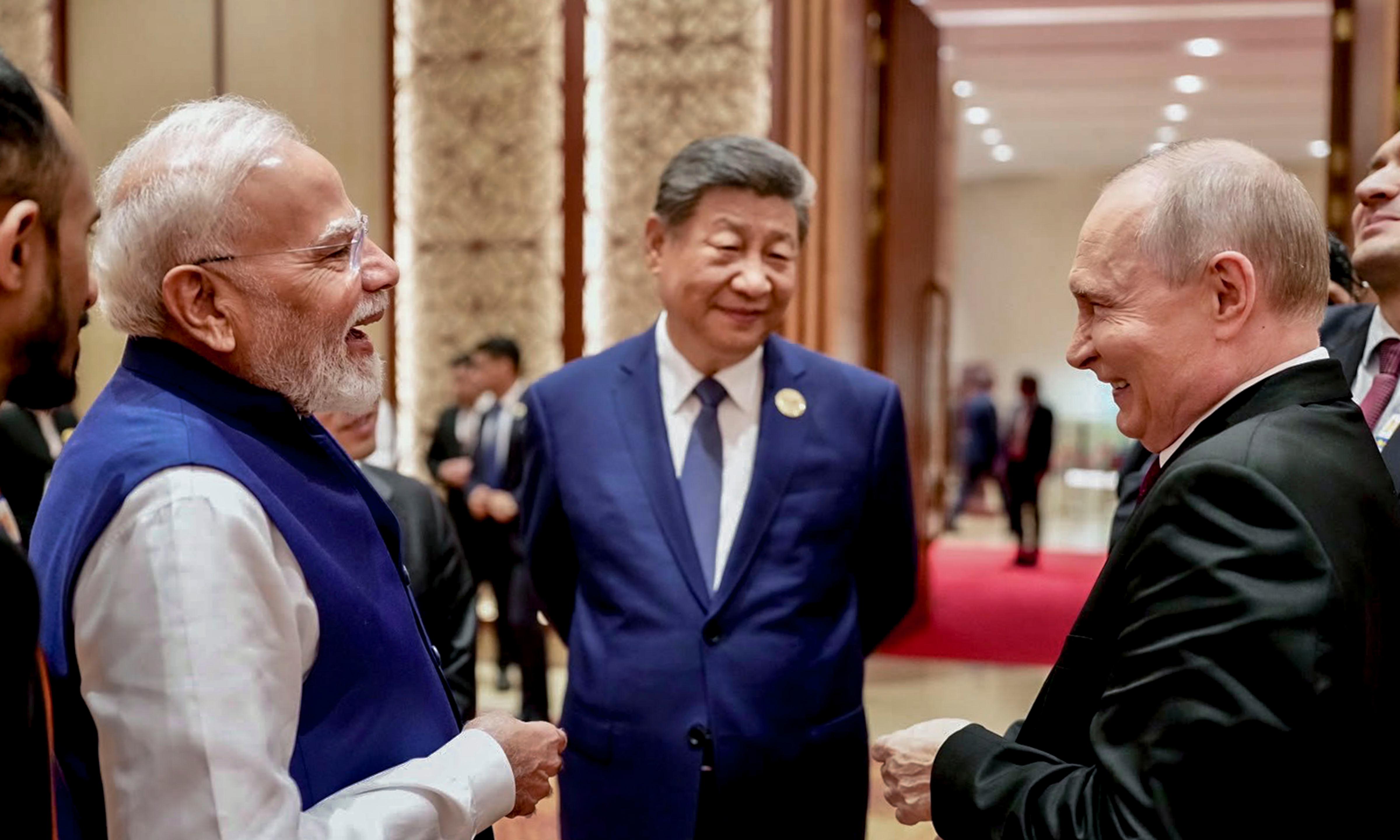
BRICS is a group of large emerging economies that work together.
It began with Brazil, Russia, India and China.
South Africa later joined, and the group has since expanded further.
The group became more active after the global financial crisis of 2008-09.
It created a development bank to help fund projects.
At a meeting in New Delhi, its finance ministers criticized tariffs and other economic measures imposed by individual countries.
They also discussed using members’ own currencies for cross-border payments.
The column says Donald Trump’s trade actions and sanctions have made BRICS countries cooperate more closely.
It also says China is the most powerful member, while India’s interest in the group had previously weakened.

BRICS finance ministers criticized unilateral tariffs and financial measures as inconsistent with World Trade Organization rules.
The ministers backed an open, rules-based trading system and agreed to explore cross-border payments in local currencies.
BRICS expanded from Brazil, Russia, India and China after South Africa joined at the second summit.
The group established the New Development Bank after India proposed a BRICS development institution in 2012.
The column argues that Donald Trump’s sanctions and trade actions have revived unity among BRICS members.
- Who
- BRICS leaders and finance ministers, with Donald Trump’s policies identified as a major factor in the group’s renewed cohesion.
- What
- BRICS members criticized unilateral trade and financial measures and explored greater cooperation, including local-currency payments.
- When
- During the 18th BRICS summit, which was still in progress when the column was written; finance ministers met on September 10.
- Where
- The leaders’ summit was held in New Delhi, and the finance ministers’ meeting referenced in the article took place in Mumbai.
- Why
- The article says tariffs, sanctions and other economic actions by the United States created shared concerns among BRICS members.
Case for BRICS Cooperation
Concerns About BRICS
Impact of United States policies
Case for BRICS Cooperation
The column argues that Donald Trump’s tariffs, sanctions and criticism of member governments have united BRICS and revived its relevance.
Concerns About BRICS
The article does not provide a detailed United States defense of these policies, but presents them as unilateral economic actions targeted at emerging economies.
China’s influence
Case for BRICS Cooperation
The column argues that China’s dominance is understandable because economic power often gives one member greater influence in international groupings.
Concerns About BRICS
China’s dominance has contributed to concerns within BRICS, and the article says India’s interest in the group had begun to weaken for that reason.
BRICS’ role
Case for BRICS Cooperation
Supporters view BRICS as a platform for emerging economies to promote rules-based trade and develop alternatives such as local-currency payments and the New Development Bank.
Concerns About BRICS
The article acknowledges that BRICS was initially a talk shop and that its momentum had appeared to decline before Trump’s policies renewed shared concern.
- Summit location
- New Delhi
- Finance ministers’ meeting
- Mumbai, September 10
- BRICS founding members
- Brazil, Russia, India and China
- Additional founding-era member
- South Africa joined at the second BRIC summit in China
- Finance ministers’ position
- Unilateral tariffs and financial measures distort trade and conflict with World Trade Organization rules
- Proposed financial cooperation
- Exploring cross-border payments in local currencies
- Development institution
- The BRICS New Development Bank was proposed in 2012 and located in China, with an Indian first chairman