

1 day ago
French Students Protest School Conditions as Government Announces Measures
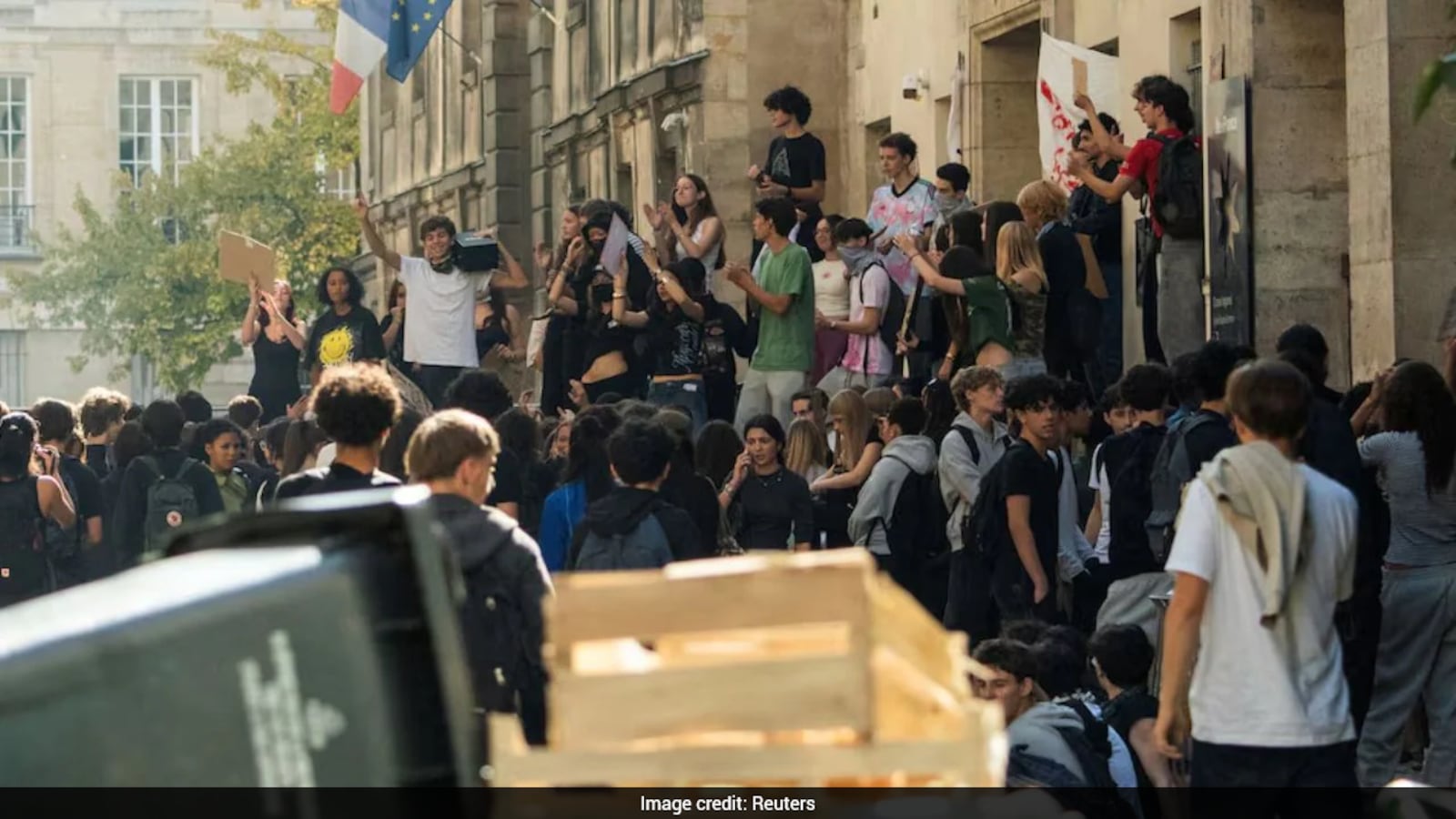
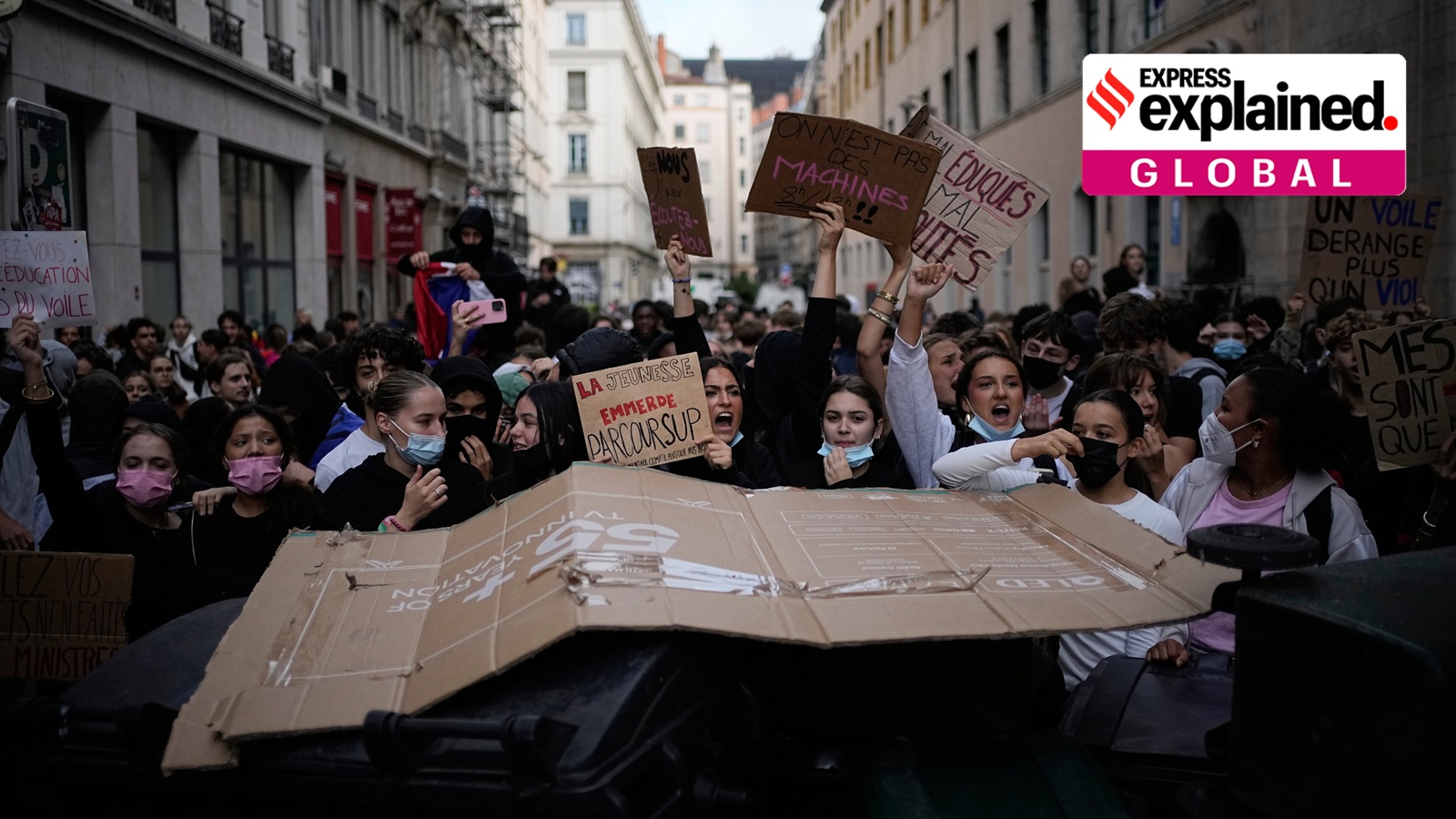
Students in France are protesting because they say their schools are too crowded and some buildings need repairs.
They also say there are not enough teachers and that education needs more money.
The protests began in Paris in September and spread to other parts of the country.
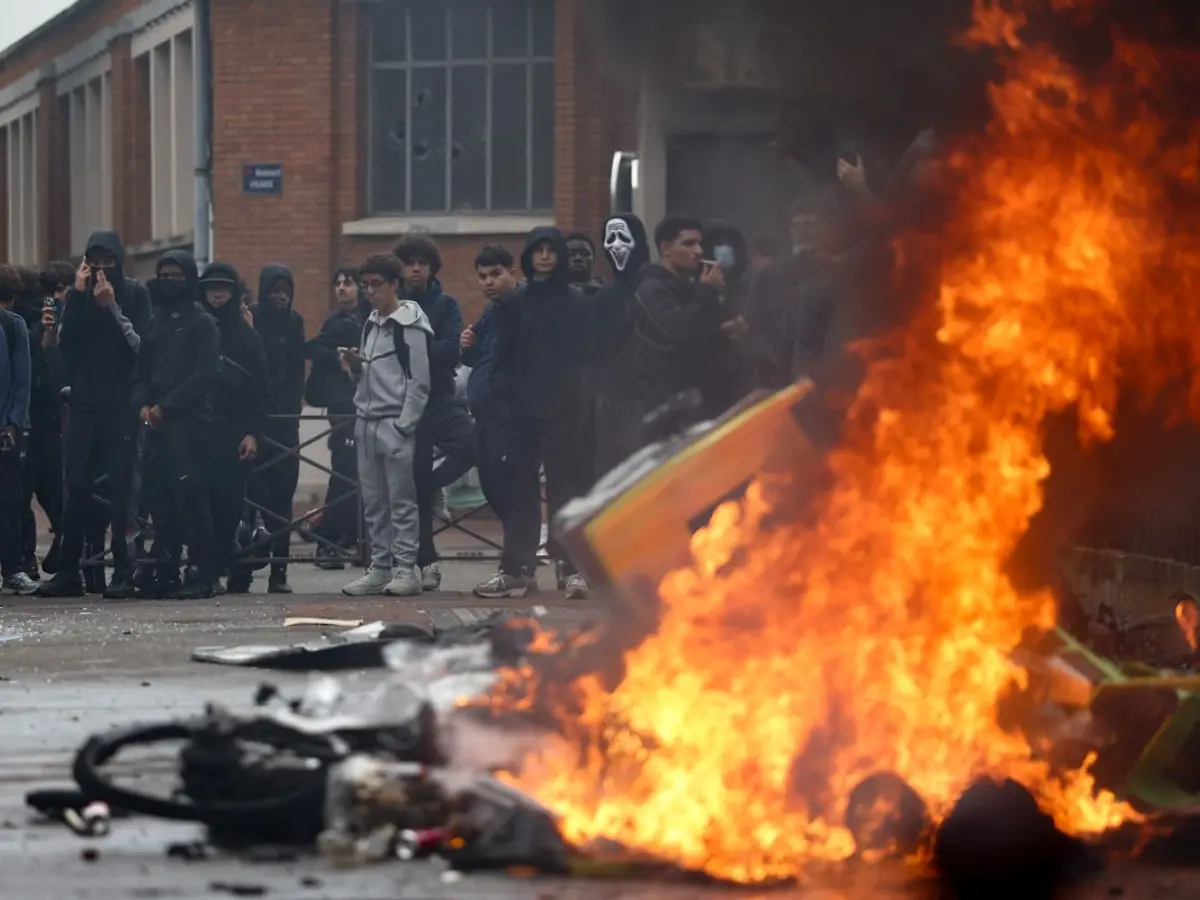
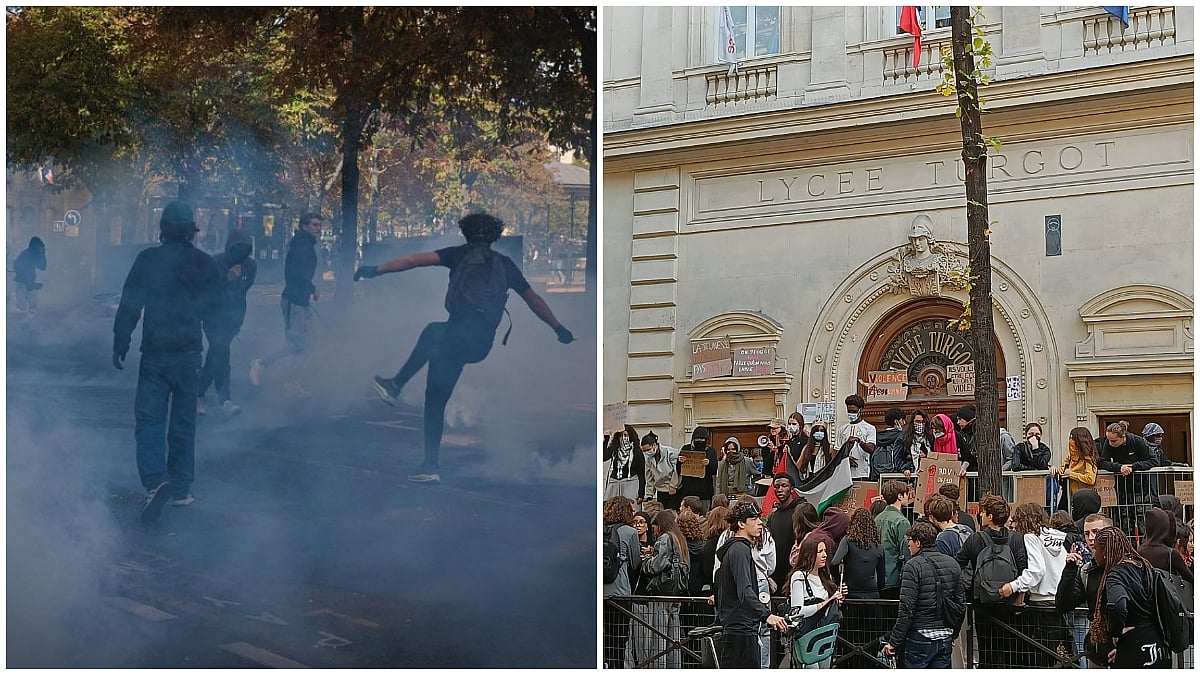
Students have blocked many schools.
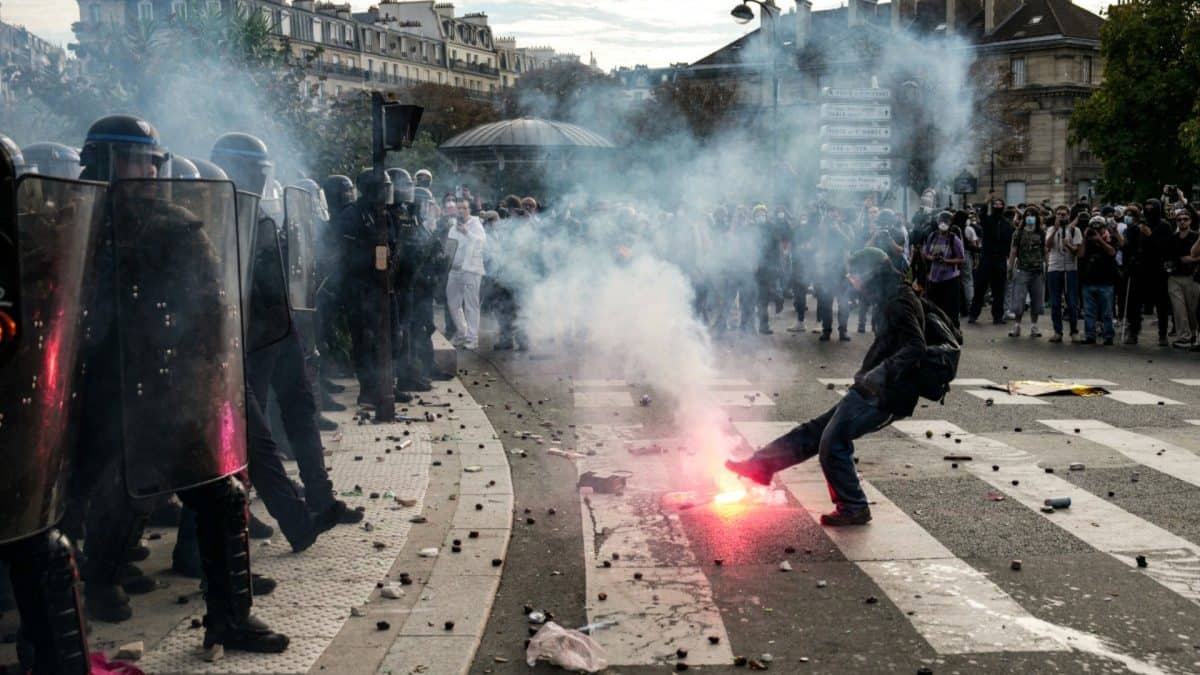
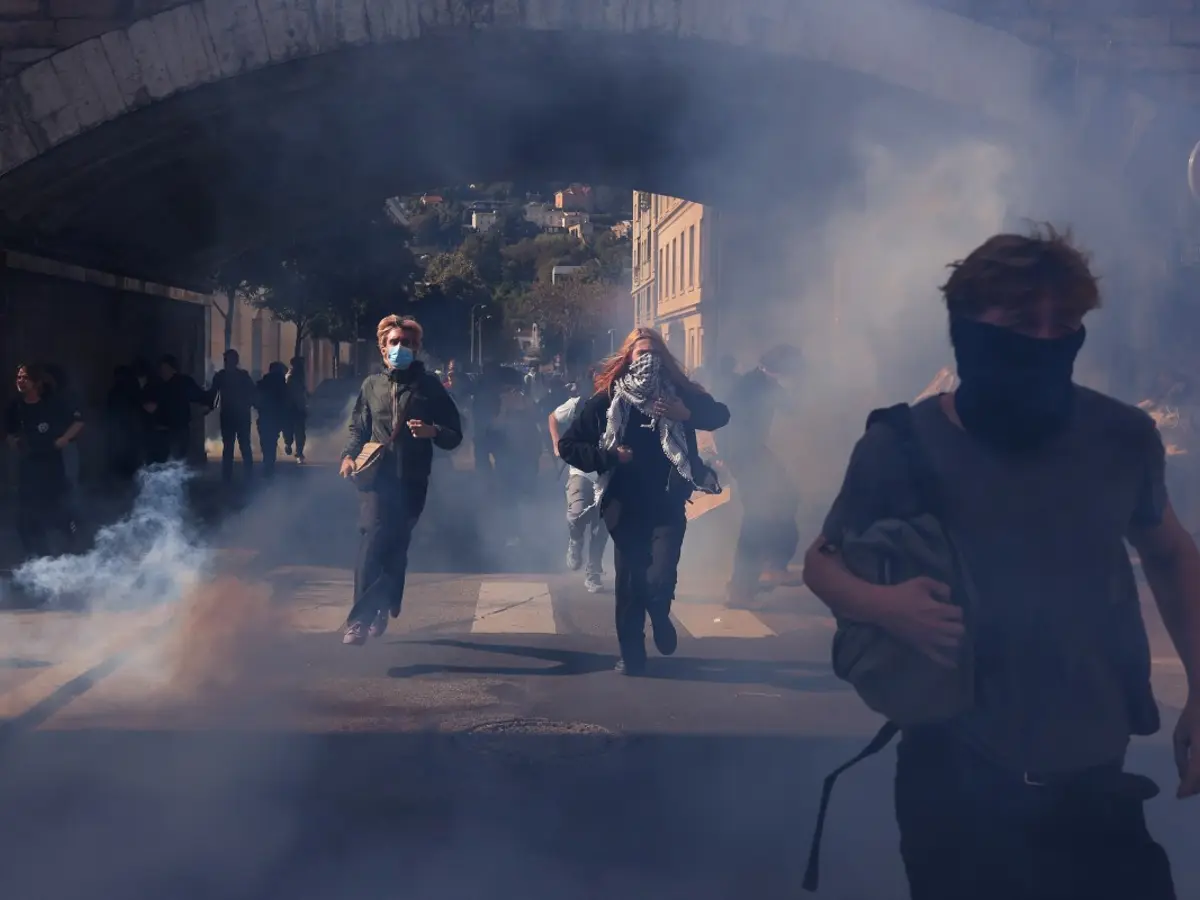
The article reports that many people have been injured or arrested, citing the BBC.
Prime Minister Sébastien Lecornu announced plans to work on five areas of education.
He said the first decisions should come before the end of October.
A student union said the government’s plans were not concrete enough.
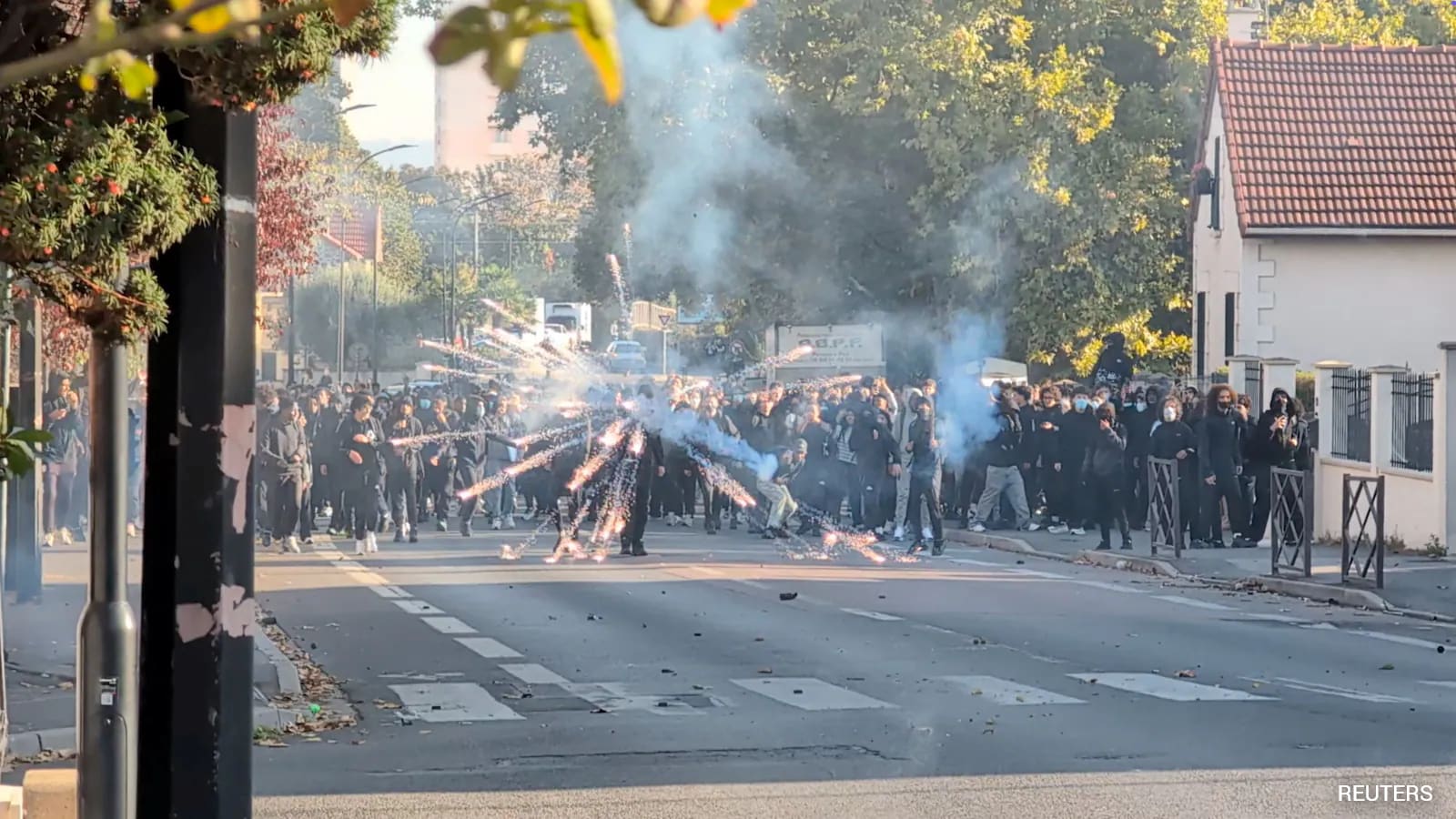
The government says it will not give in to violence.

Students have protested across France over overcrowded classrooms, deteriorating facilities, teacher shortages, and inadequate education funding.
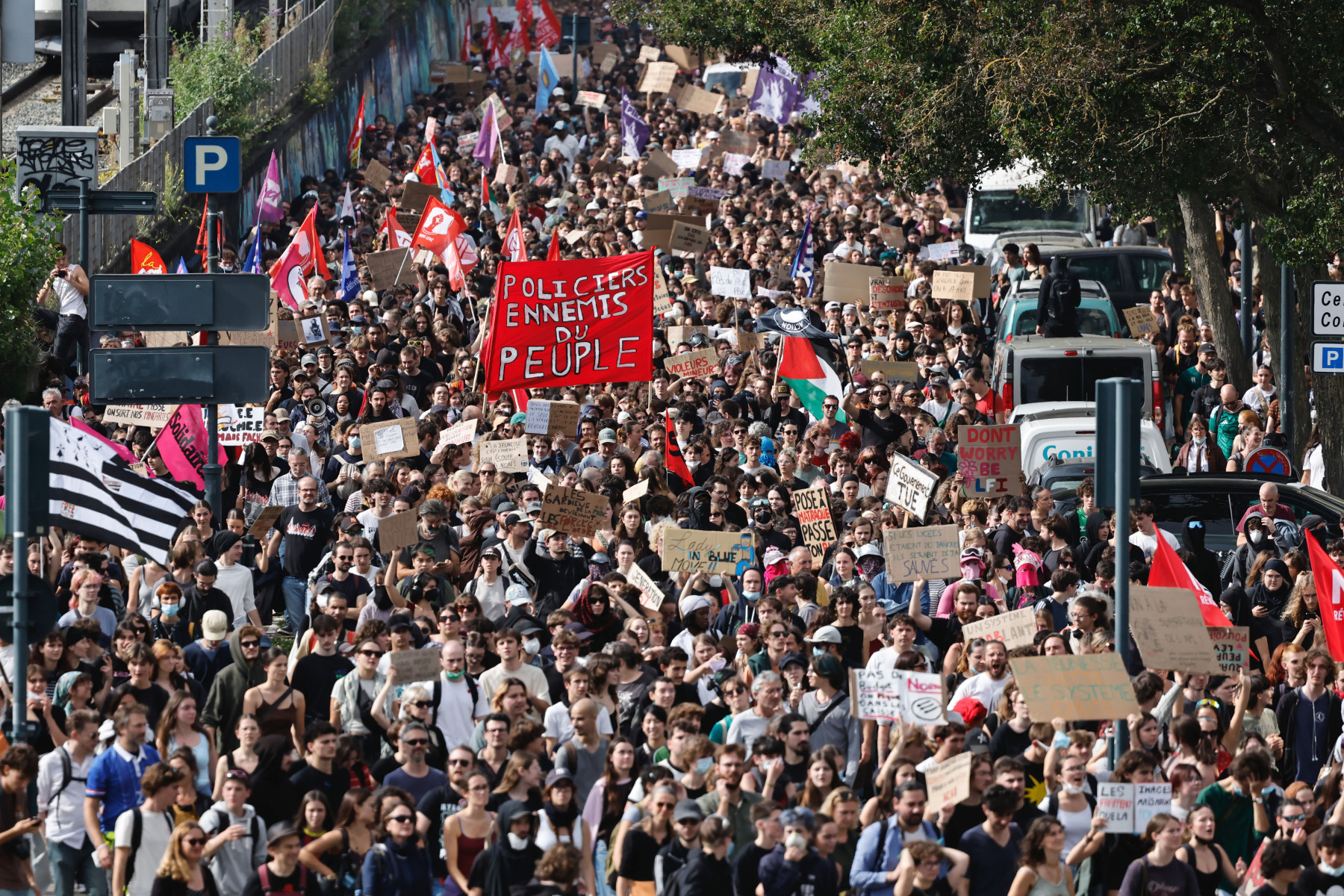
The protests began in Paris in September and later spread nationwide, with students blockading hundreds of schools.
The article says the BBC reported at least 190 students injured and more than 5,000 people arrested.
Prime Minister Sébastien Lecornu announced a five-part education roadmap, with initial decisions and funding details expected before the end of October.
The Union Syndicale Lycéenne said the government had offered “nothing concrete,” while Lecornu warned that it would not yield to violence.
- Who
- Students across France, the French government, and Prime Minister Sébastien Lecornu.
- What
- Nationwide student protests over school conditions and education funding.
- Where
- France, beginning in Paris.
- When
- The protests began in September; the article describes them as ongoing and cites a government letter dated October 4.
- Why
- Students are protesting overcrowded classrooms, deteriorating school facilities, teacher shortages, and inadequate education funding.
Student and union concerns
Government response
Whether the government’s response is concrete
Student and union concerns
The Union Syndicale Lycéenne, a major protest organiser, said the government had offered “nothing concrete.”
Government response
Lecornu said the government was preparing a five-part roadmap, with initial decisions, funding, and timelines to be presented before the end of October.
How to respond to unrest
Student and union concerns
The protests are driven by students’ concerns about school conditions, staffing, and funding; the article does not give protesters’ views on the proposed damage bill.
Government response
Lecornu said the government would not yield to violence and was accelerating review of a bill intended to make people responsible for damage pay for it.
Key facts
- Protest concerns
- Overcrowded classrooms, run-down buildings, staff shortages, and inadequate education funding.
- Spread
- The protests began in Paris in September and later spread across France.
- School blockades
- The article says students have blockaded hundreds of schools.
- Reported injuries and arrests
- The article attributes figures of at least 190 students injured and more than 5,000 people arrested to the BBC.
- Government roadmap
- Lecornu outlined five areas of work, with initial decisions expected before the end of October.
- Education funding
- Lecornu said the 2027 budget bill provides an additional 1.2 billion euros for National Education.
- Proposed bill
- The government is accelerating its review of the “casseur-payeur” bill, which would make those responsible for damage bear its cost.
Quotes

Sebastien Lecornu
France’s prime minister
“These initiatives stem from issues raised by the academic councils on high school life, convened in recent days across all academies: they are the result of discussions with those who embrace dialogue and collaboration. This commitment must yield concrete outcomes.”
 NDTV
NDTV
“Dialogue must lead to visible changes in high schools.”
NDTV
Sources
Related news
France Students March Over School Conditions as Protests Turn Violent
French School Protests Bring Heaviest Toll in Decades
French Students Block Schools as Arrests and Injuries Rise
French High School Protests Overcrowding and Staff Shortages
France Blames Radical Left as School Protests Intensify
Up to 500 French Schools Face Closures as Protests Escalate
More Than 266,000 Rally in France for Education Funding
