

Archive · 7 Aug 2025
Promises of Peace: Why Presidents Struggle to End Wars
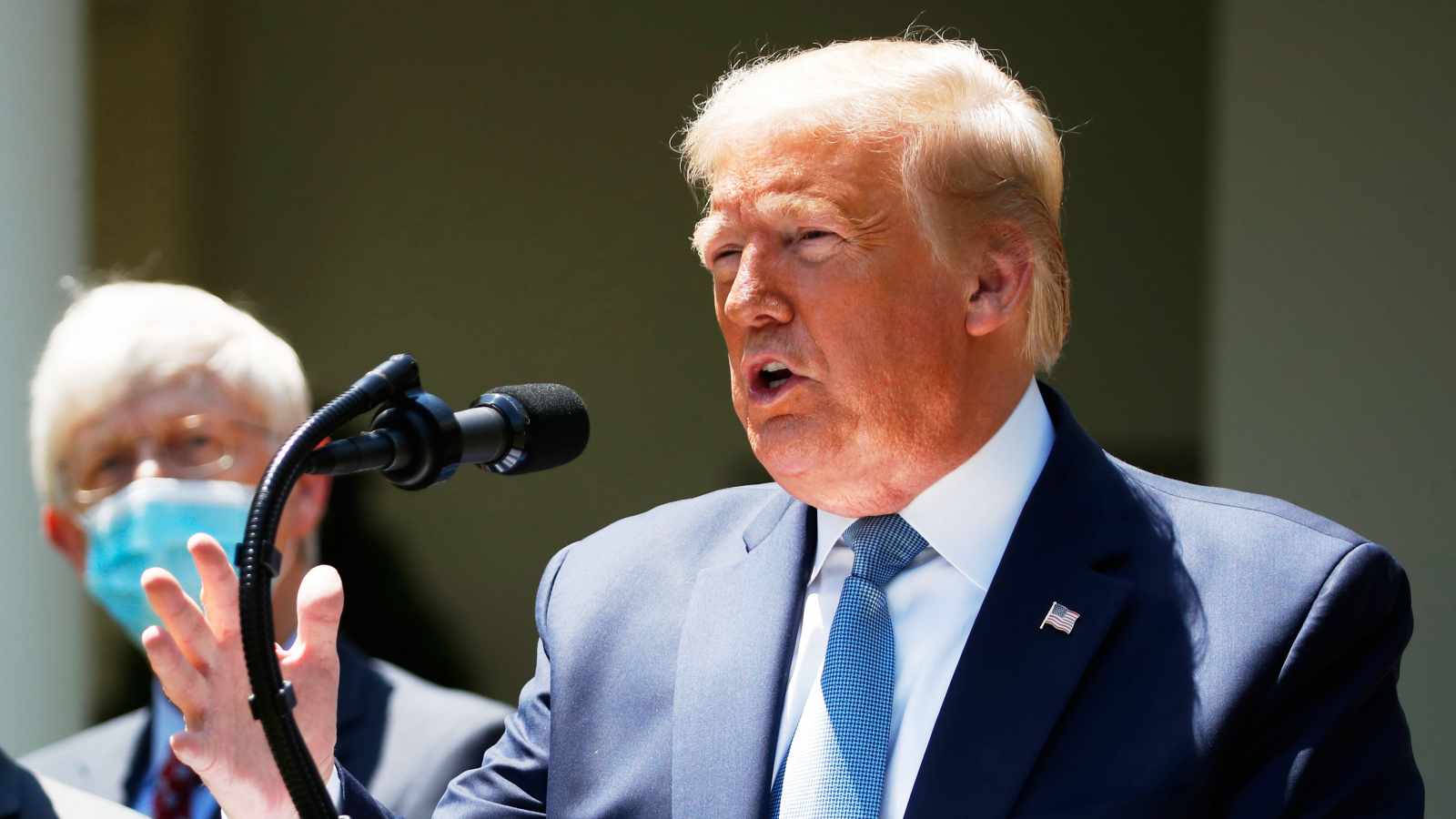
Presidents often say they'll end wars, but it's super hard.
From Vietnam to today, leaders like Trump have made promises, but things like international issues make it tough.
They inherit problems, not start them, like with Vietnam or Afghanistan.
Presidents face challenges in ending conflicts because wars are complex and the president's power has limits.
It's usually not as simple as saying "the war is over".

US presidents often campaign on ending wars but struggle to do so in office.
Donald Trump's promises to end the wars in Gaza and Ukraine face challenges.
Presidents inherit wars and are constrained by the nature of modern warfare and international complexities.
The article highlights historical examples from the Vietnam War to the Afghanistan withdrawal.
Ending wars proves difficult due to geopolitical realities and the limited scope of presidential power.
- Who
- US presidents and their attempts to end or prevent wars.
- What
- The recurring difficulty US presidents face in ending foreign wars.
- When
- From the Vietnam War to current conflicts.
- Where
- Focuses on the US involvement in various global conflicts.
- Why
- To highlight the complexities of modern warfare and the limitations of presidential power.
Challenges to Ending Wars
Struggle for Peace
Factors hindering peace efforts
Challenges to Ending Wars
Complex Geopolitics
Struggle for Peace
Limited Presidential Power
- Presidents Discussed
- Truman, Johnson, Nixon, Bush, Obama, Biden, Trump
- Wars Mentioned
- Vietnam, Gulf War, Afghanistan, Ukraine, Gaza
- Key Theme
- Difficulty in ending wars despite promises
- Trump's Stance
- Outsider dealmaker aiming to end wars
- Afghanistan Withdrawal Date
- 2021