

2 hrs ago
USS Abraham Lincoln's Rust Reveals Toll of 286-Day Deployment
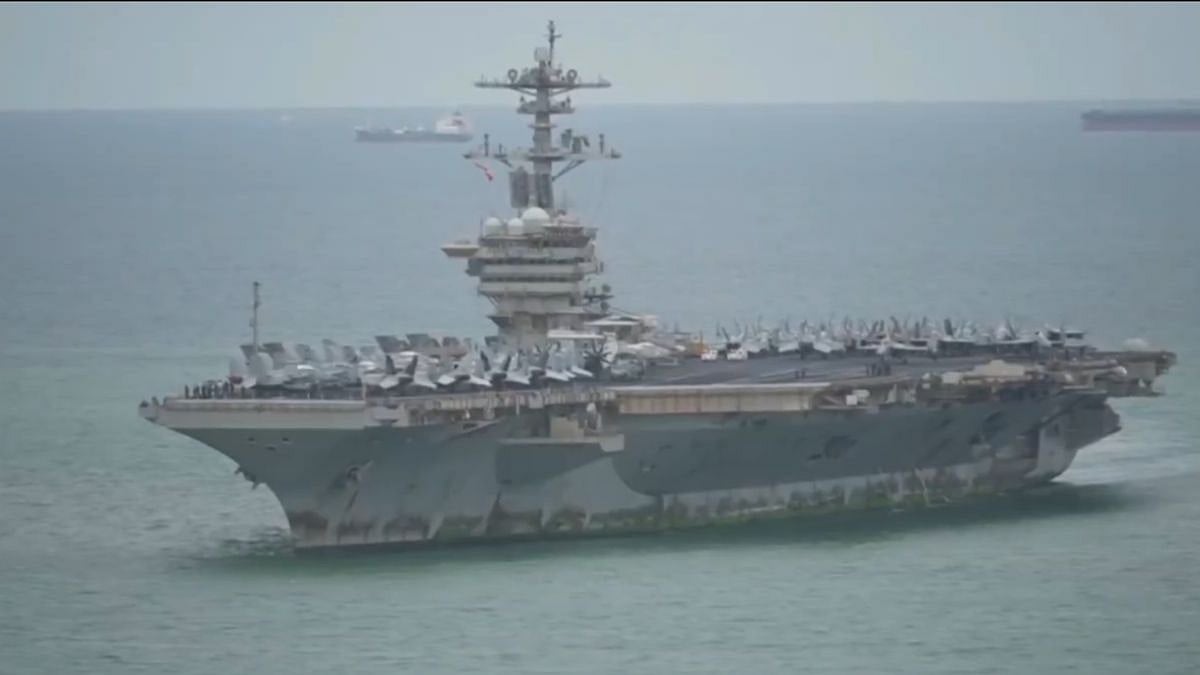
The USS Abraham Lincoln is a very large aircraft carrier.
It spent 286 days sailing without a long break.
The ship took part in combat and blockade duties involving Iran in the Middle East.
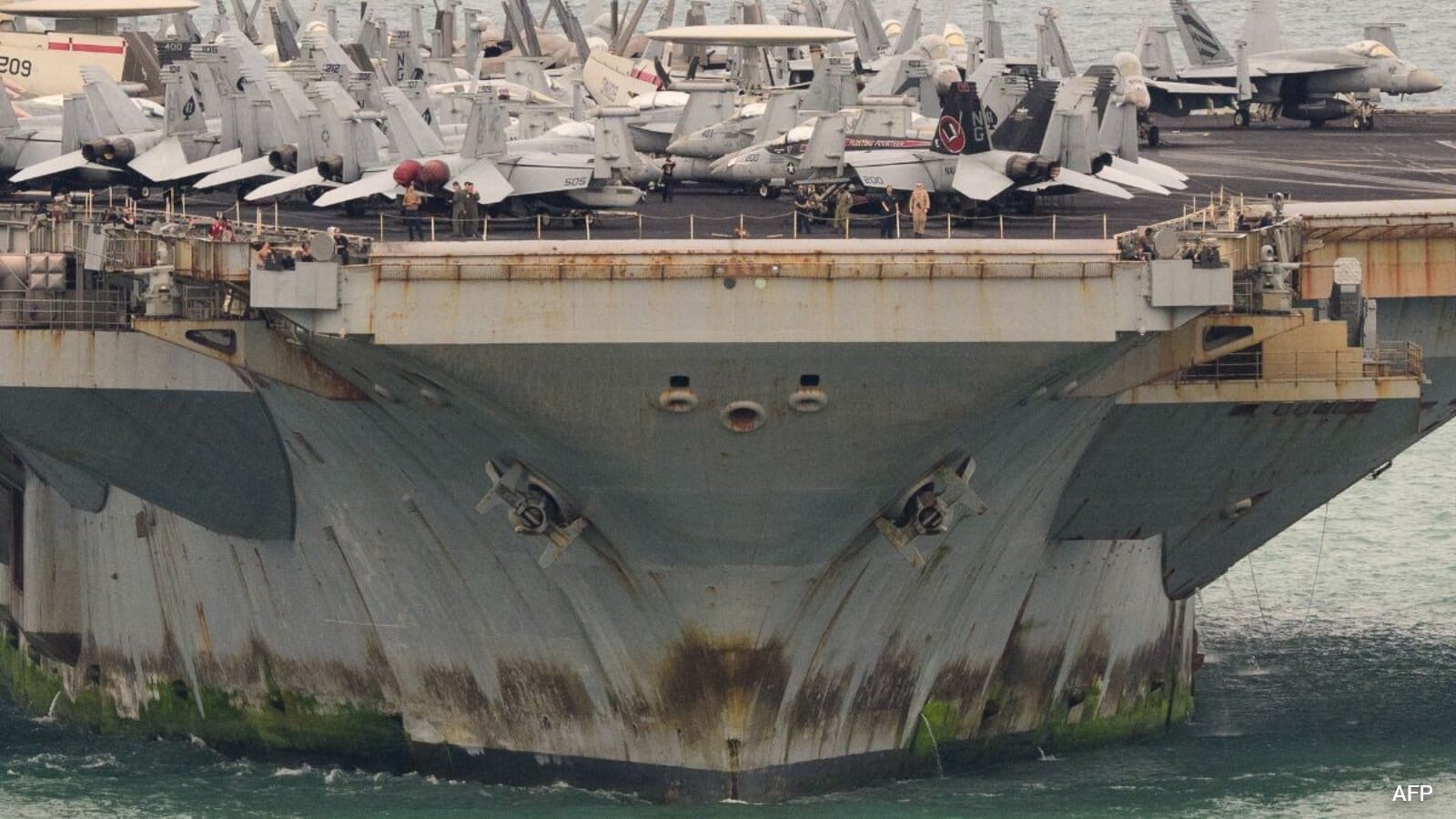
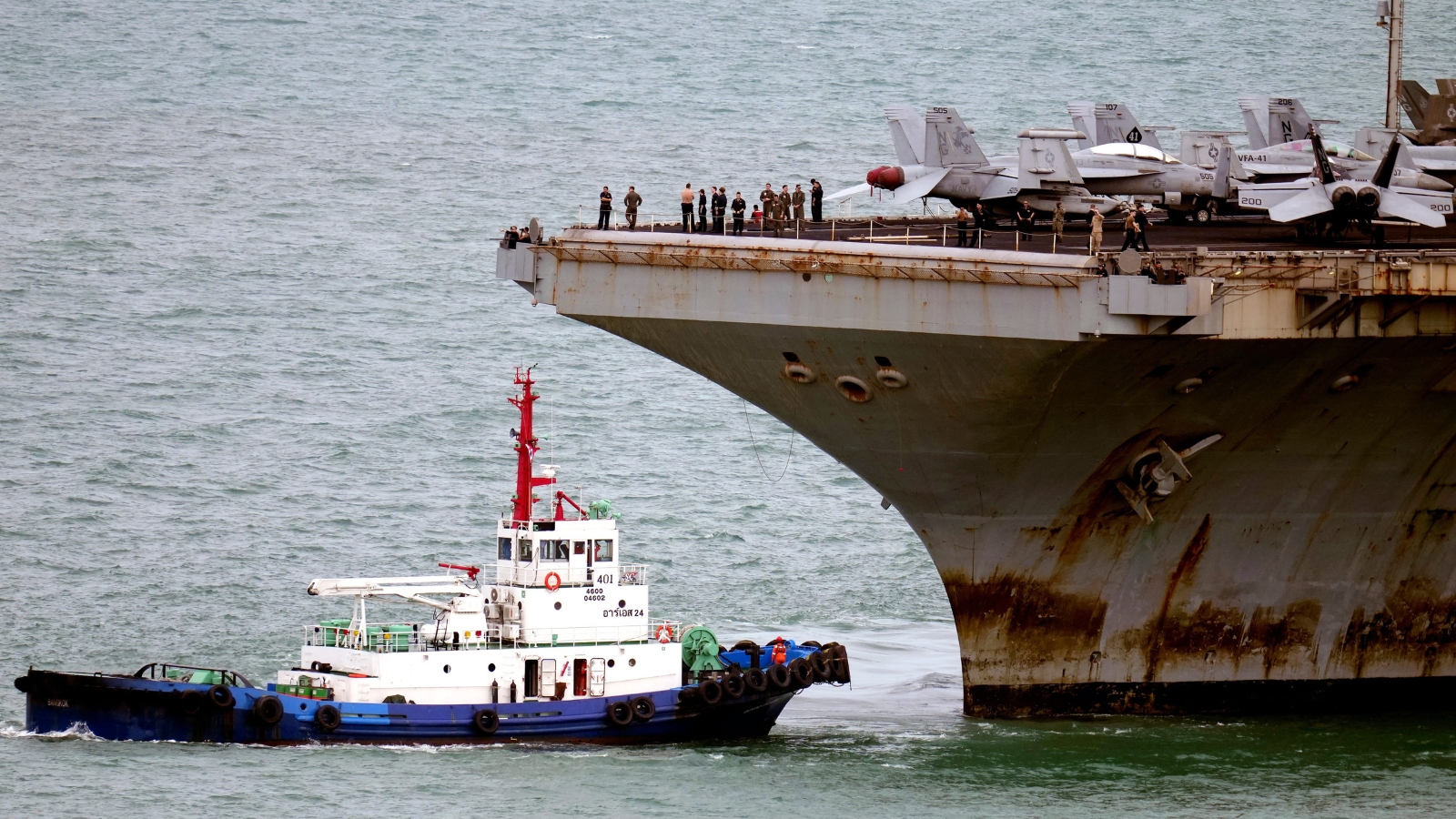
Salt water and rough seas caused rust to appear across much of its hull.
A former Navy captain said this amount of rust is not unusual after such a long deployment.
Fixing all of it would require removing the rust and applying several layers of primer and paint.
That work is difficult to do while the ship is at sea or fighting.
In Thailand, crews will probably repair only the most urgent areas during the short visit.
The visit will also give sailors an opportunity to rest.
Reports have also raised concerns about supplies and morale, while President Donald Trump dismissed those concerns.

The USS Abraham Lincoln arrived in Thailand after 286 consecutive days at sea.
The nearly 1,100-foot aircraft carrier showed extensive rust across its hull, including along the waterline.
Former Navy captain Carl Schuster said such corrosion is expected after more than 60 continuous days at sea.
Schuster estimated that fully removing, priming, and repainting the rust could take about 30 days.
During its roughly seven-day Thai port visit, crews are expected to prioritize urgent repairs and rest.
- Who
- The USS Abraham Lincoln and its crew; former United States Navy captain Carl Schuster assessed the corrosion.
- What
- The aircraft carrier arrived with extensive hull rust after a 286-day deployment at sea.
- Where
- The carrier docked at Laem Chabang on Thailand's Gulf coast, south of Bangkok.
- When
- It left San Diego last November and docked in Thailand on Wednesday; the port visit is expected to last about seven days.
- Why
- Extended exposure to salt water, rough seas, combat operations, and continuous deployment contributed to the corrosion.
Naval Specialists' Assessment
Concerns About the Deployment
Extent of the corrosion
Naval Specialists' Assessment
Carl Schuster said rust along the waterline is not unusual after more than 60 days of continuous operations at sea.
Concerns About the Deployment
The visible rust, stretching across much of the hull, raised concerns among observers about the ship's condition.
Ability to repair the ship
Naval Specialists' Assessment
Specialists said complete treatment requires extensive work and may take about 30 days, so crews will focus on urgent areas during the short port visit.
Concerns About the Deployment
If corrosion is not addressed promptly, Schuster warned that it can worsen beyond the areas where it first appears.
Impact of the deployment
Naval Specialists' Assessment
The Thai visit is expected to provide the crew with rest after an exceptionally demanding period at sea.
Concerns About the Deployment
Reports cited supply shortages, declining morale, and at least one crew member going overboard; President Donald Trump dismissed concerns surrounding the deployment.
Key facts
- Deployment length
- 286 consecutive days at sea
- Ship length
- Nearly 1,100 feet
- Port
- Laem Chabang, Thailand
- Estimated repair time
- About 30 days to remove rust, apply two coats of primer, and repaint affected areas
- Port visit
- Expected to last about seven days
- Repair priorities
- The bow and forward hull areas are expected to receive attention first
- Other reported difficulties
- Supply shortages, low morale, and at least one reported case of a crew member going overboard
Quotes
Carl Schuster
Former US Navy captain and naval expert
“They will do only high-priority work during a seven-day port visit. The rust on the bow and forward hull areas will be done first because they take the most abuse when the ship is moving, and they absorb the corrosive actions that accompany moving through salt waters, particularly choppy seas.”
 NDTV
NDTV
 freepressjournal.in
“Rust along the waterline is not unusual on a ship that has spent 60 days or more of operations continuously at sea.”
NDTV
freepressjournal.in
Sources
Related news

USS Abraham Lincoln Shows Strain After 286-Day Deployment
USS Abraham Lincoln Set for Thailand Stop After 200 Days
USS Abraham Lincoln Sailors Unwind After 280 Days at Sea
USS Abraham Lincoln Arrives in Thailand After Record Deployment
