9 months ago
Evening in Old Delhi Explores History and Urdu Poetry
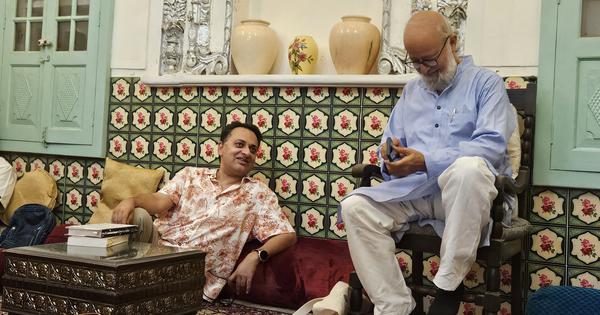
Imagine visiting a very old and famous neighborhood in a big city where great poets used to live!
That's what this event was about.
Two experts, Sohail Hashmi and Saif Mahmood, talked about the beautiful poems written a long time ago in Delhi.
They explained how a language called Urdu grew through these poems.
The poems told stories about the city – how it was amazing, how it changed, and how it faced hard times but always bounced back.
It was like listening to the city's own memories told in verse.
They even read sad poems about the city's troubles and loving poems about its people.
It was a special night celebrating Delhi's past and the power of its poetry.

An evening event was held in Old Delhi, specifically in Gali Qasim Jan, Ballimaran, at the historic Ahata Kale Sahab.
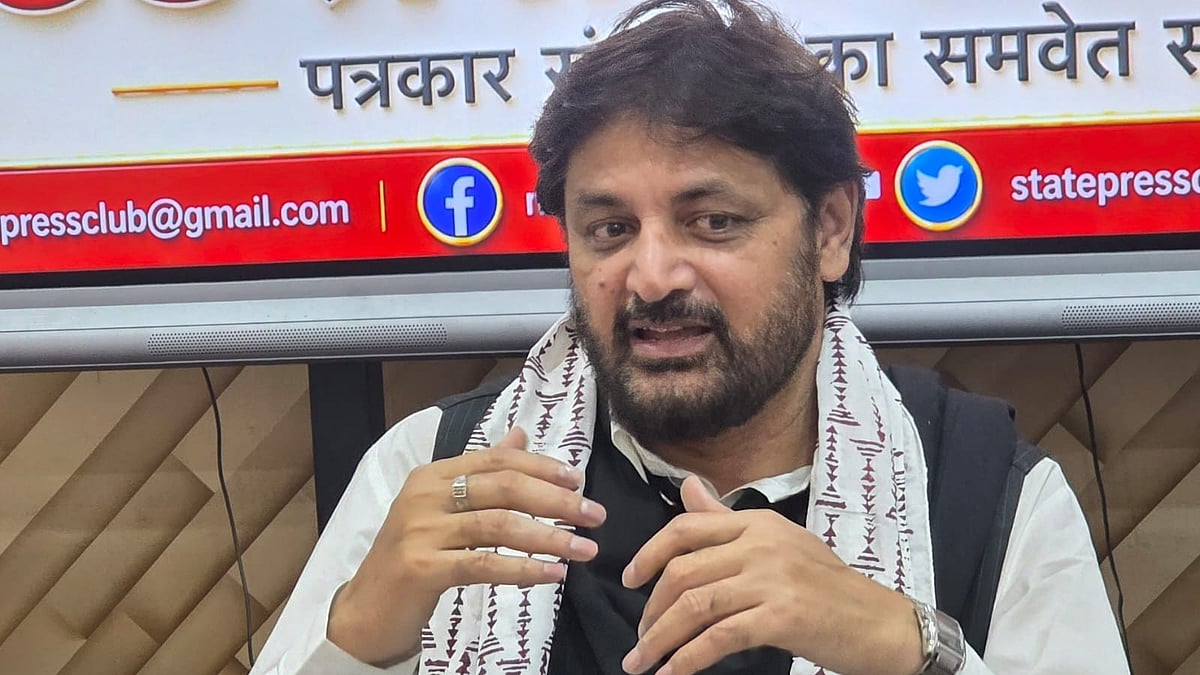
Historian Sohail Hashmi and littérateur Dr Saif Mahmood led a discussion on the literary heritage of Delhi and the evolution of Urdu poetry.
The discussion traced the journey of Urdu from the influence of Persian to its development in the late 18th and mid-19th centuries.
Poetry from various prominent poets like Mir, Ghalib, Hatim, and others was shared, reflecting the city's splendor, decline, and resilience.
Themes explored included the city's history, socio-cultural dynamics, and the poetic form known as Shahr Ashob (a lament for the city).
- Who
- Historian Sohail Hashmi and littérateur Dr Saif Mahmood, alongside 'Dilliwallahas' (residents of Delhi)
- What
- An evening exploring Delhi's literary heritage and history through Urdu poetry, discussing the city's evolution, its splendor, decline, and resilience.
- Where
- Ahata Kale Sahab, a historic mohalla residence in Gali Qasim Jan, Ballimaran, Old Delhi.
- When
- An evening (specific date not mentioned)
- Why
- To collectively explore and understand Delhi's rich history, literary heritage, and resilience through its poetry and cultural narratives.
Poetic Lament for Delhi
Poetic Celebration of Delhi
City's Fortunes
Poetic Lament for Delhi
Poetry reflects the city's decline, plunder, and ruins, as seen in couplets by Shaikh Zuhuruddin, Hali, and Mir Taqi Mir lamenting its desolation.
Poetic Celebration of Delhi
Poetry also captures the city's splendor, charm, and resilience, even amidst its troubles, as expressed by Zauq and Mushafi's descriptions of Delhi belles and its enduring appeal.
Urban Identity
Poetic Lament for Delhi
The city's transformation and hardships are highlighted, suggesting a loss of its former glory.
Poetic Celebration of Delhi
The enduring spirit and unique character of Delhi are celebrated, emphasizing its cultural richness and the affection it inspires.
Key facts
- Event
- An evening of poetry and discussion on Delhi's history and literary heritage
- Location
- Gali Qasim Jan, Ballimaran, Old Delhi
- Venue
- Ahata Kale Sahab (historic mohalla residence)
- Organizers
- Karwaan: The Heritage Exploration Initiative in collaboration with Project Mohalla
- Speakers
- Sohail Hashmi (historian), Dr Saif Mahmood (littérateur)
- Focus
- Evolution of Urdu poetry, Delhi's history, socio-cultural dynamics, city's splendor, decline, and resilience
- Poetic Forms/Themes
- Shahr Ashob (lament for the city), ghazals, love poetry, philosophical verses
- Key Poets Mentioned
- Mir, Ghalib, Hatim, Wali Mohammad Wali Dakhni, Bashir Badr, Zauq, Hali, Mushafi Ghulam Hamdani, Khwaja Meer Dard
Quotes

Mir
The poet Mir
“dillī jo ek shahr thā ālam meñ intiḳhāb”
 scroll.in
“rahte the muntaḳhab hī jahāñ rozgār ke us ko falak ne luuT ke vīrān kar diyā”
scroll.in

Hatim
The poet, Shaikh Zuhuruddin (1699–1792), who adopted the takhallus “Hatim”
“Pagdi apni yahaañ sambhaal chalo”
scroll.in
“aur basti na ho ye Dilli hai.”
scroll.in
Wali Mohammad Wali Dakhni
The father of the Urdu ghazal, Wali Mohammad Wali Dakhni
“Tujh lab ki sifat laal-e-badakhshaan su kahoonga”
scroll.in
“Jaadu hain tere nain ghazalaan su kahoonga”
scroll.in

Bashir Badr
Poet Bashir Badr
“dil kī bastī purānī dillī hai”
scroll.in
“jo bhī guzrā hai us ne luuTā hai”
scroll.in
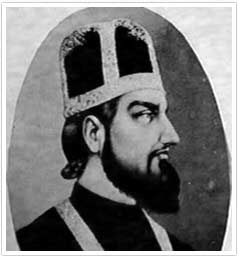
Zauq
The poet Zauq
“In dino garche dakkan mein hai bohot qadr-e-sukhan,”
scroll.in
“Kaun jaaye Zauq par Dilli ki galiyan chhod kar”
scroll.in

Hali
The poet Hali
“tazkira dehli-e-marhūm kā ai dost na chheḌ”
scroll.in
“na sunā jāegā ham se ye fasānā hargiz”
scroll.in
Mushafi Ghulam Hamdani
The poet Mushafi Ghulam Hamdani
“Ae Mushafi tu in se mohabbat na kijiyo”
scroll.in
“Zaalim ghazab hi hoti hain yeh Dilli-waaliyaan”
scroll.in
Khwaja Meer Dard
The poet Khwaja Meer Dard
“tar-dāmanī pe shaiḳh hamārī na jāiyo”
scroll.in
“dāman nichoḌ deñ to farishte vazū kareñ”
scroll.in
Mirza Nausha
Mirza Nausha
“masjid ke zer-e-sāya ḳharābāt chāhiye”
scroll.in
“bhauñ paas aañkh qibla-e-hājāt chāhiye”
scroll.in

Mir Taqi Mir
The poet Mir Taqi Mir
“dil-o-dilli donon agar hain kharaab”
scroll.in
“P’a kuchh lutf is ujde ghar mein bhi hain”
scroll.in
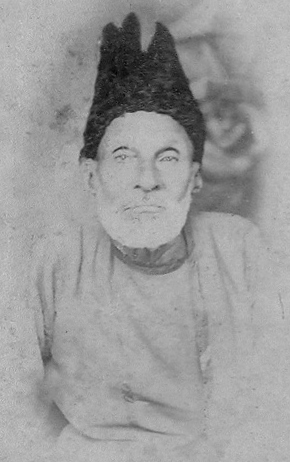
Ghalib
The poet, Mirza Nausha, Asadullah Khan Ghalib
“Pehle gore ki kaid mei’n that, Ab Kale ki!”
scroll.in