

Archive · 18 Aug 2025
Alasdair MacIntyre: Philosopher's Critique of Modernity
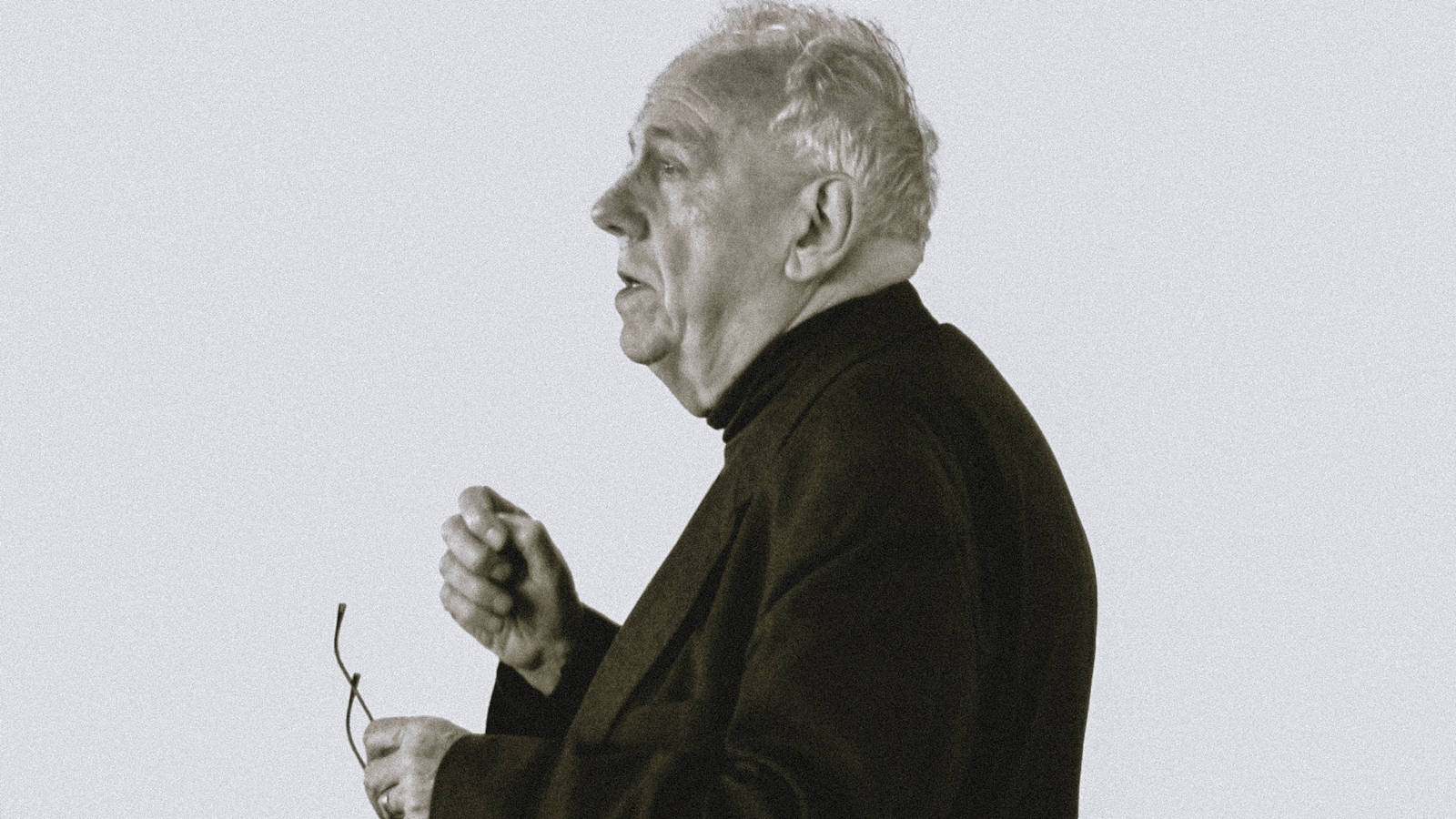
Alasdair MacIntyre, a deep-thinking philosopher, recently passed away.
He examined how modern society often has unclear morals and is easily manipulated.
He argued that many people base their morals on feelings, leading to arguments that can't be resolved.
He also analyzed key roles in today's society, like the aesthete and manager, and was critical of how managers claim to have special knowledge.
His ideas help us understand the importance of stories and traditions in how we think and make decisions.
He didn't offer easy solutions but encouraged us to think about our current society.

Alasdair MacIntyre, a prominent 20th-century philosopher, passed away in May.
MacIntyre diagnosed the pathologies of modernity, focusing on its moral incoherence and manipulation.
His work, particularly 'After Virtue,' critiques modern moral life, highlighting emotivism's influence.
He identified key social roles in modernity: the aesthete, therapist, and manager, and critiqued managerialism.
MacIntyre offered insights into the importance of narrative and tradition in moral and scientific life.
- Who
- Alasdair MacIntyre, a 20th-century philosopher.
- What
- A review of the life and work of philosopher Alasdair MacIntyre.
- When
- Alasdair MacIntyre passed away in May.
- Where
- N/A
- Why
- To understand modern society's moral incoherence and the importance of narrative and tradition.
Modernity
N/A
Core critique
Modernity
Modernity faces moral incoherence and self-misrepresentation.
N/A
N/A
Critique of Liberalism
Modernity
Individualist character of rights.
N/A
Liberals often ignore the constitutive social commitments that make values the object of common action.
- Subject
- Alasdair MacIntyre
- Main Focus
- Criticism of Modernity
- Key Work
- After Virtue (1981)
- Central Claim
- Modern moral life acts as if emotivism were true.
- Criticism of
- Managerialism and Expertise
- Influence
- Philosophy, Moral and Scientific life