

Archive · 22 Jul 2026
India's Census Faces Caste Enumeration Challenges
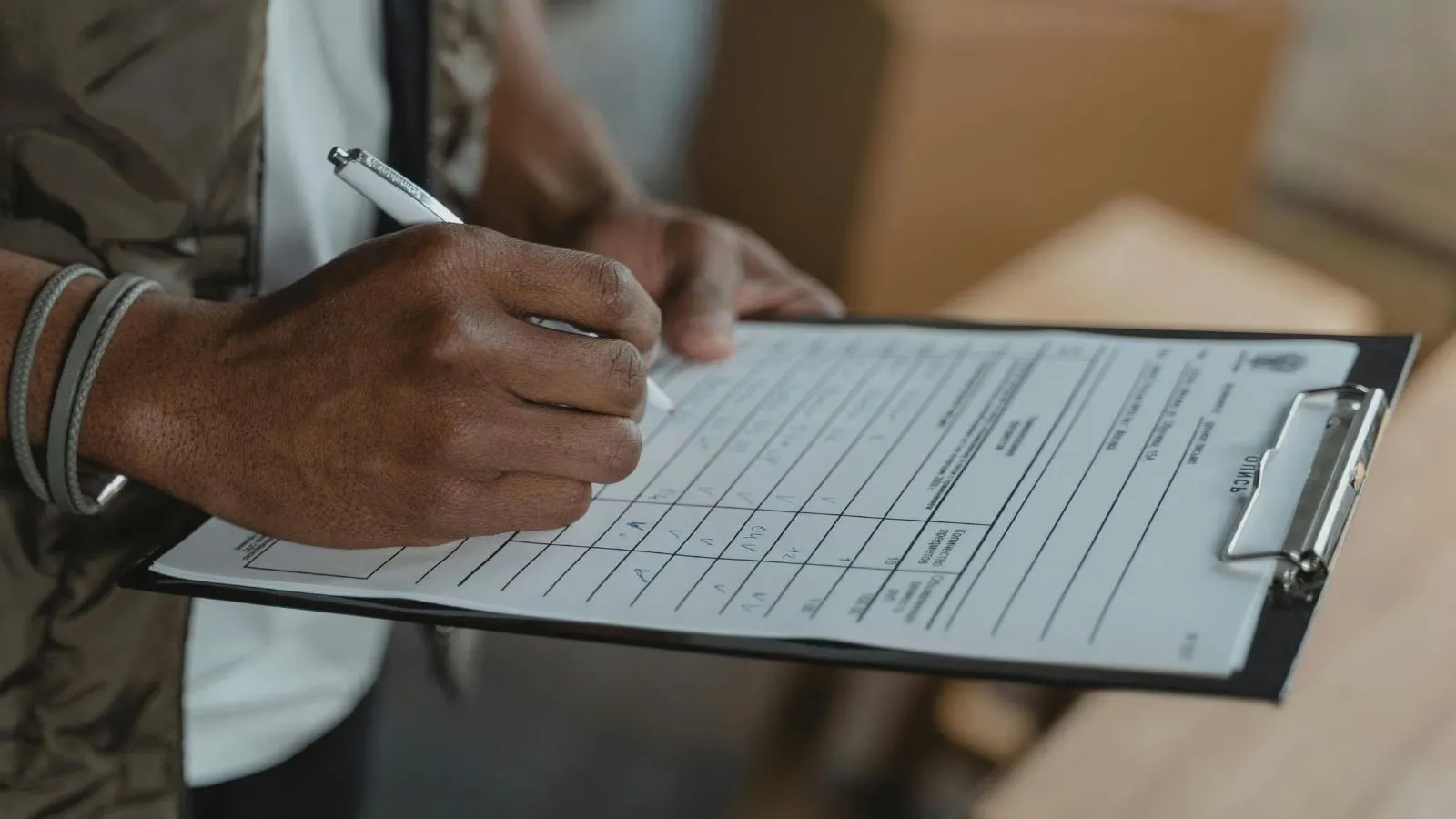
India is preparing for its next Census, which will include counting castes.
The government is deciding how to do this.
One way is to let people write their caste freely, but this might cause problems like in 2011 when too many different caste names were listed.
Another way is to use a drop-down menu with recognized castes, but the RSS doesn't like this because it thinks it will make the caste system stronger, which was set up by the British.
The government is trying to find the best way to count castes without causing big problems.

India's Census will include caste enumeration starting early next year.
Two main options are considered: open-ended format or a drop-down menu of recognized castes.
Open-ended format risks repeating the 2011 SECC's administrative nightmare with 46.7 lakh distinct caste names.
RSS opposes the drop-down menu, arguing it reinforces colonial caste structures.
The government is committed to caste enumeration and is exploring the best methodology.
- Who
- Registrar General of India (RGI), Government of India, RSS
- What
- Methodology for caste enumeration in the upcoming Census
- When
- Six months before the population enumeration phase
- Where
- India
- Why
- To accurately count castes and avoid administrative nightmares like the 2011 SECC
Open-Ended Format Proponents
RSS and Drop-Down Menu Opponents
Methodology for Caste Enumeration
Open-Ended Format Proponents
Advocates for allowing respondents to state their caste in an open-ended format to avoid reinforcing colonial caste structures.
RSS and Drop-Down Menu Opponents
Opposes the drop-down menu approach, arguing it would reinforce the caste architecture institutionalized during British rule.
- Census Phase Start
- Early next year
- 2011 SECC Distinct Caste Names
- 46.7 lakh
- 1931 Caste Census Recorded Castes
- 4,147
- Current Census SC/ST Enumeration
- Drop-down menu for notified SC and ST communities
- RSS Concern
- Caste architecture created by British rule