

Archive · 16 Sep 2025
Heart Failure: Causes, Symptoms, and Self-Management Tips
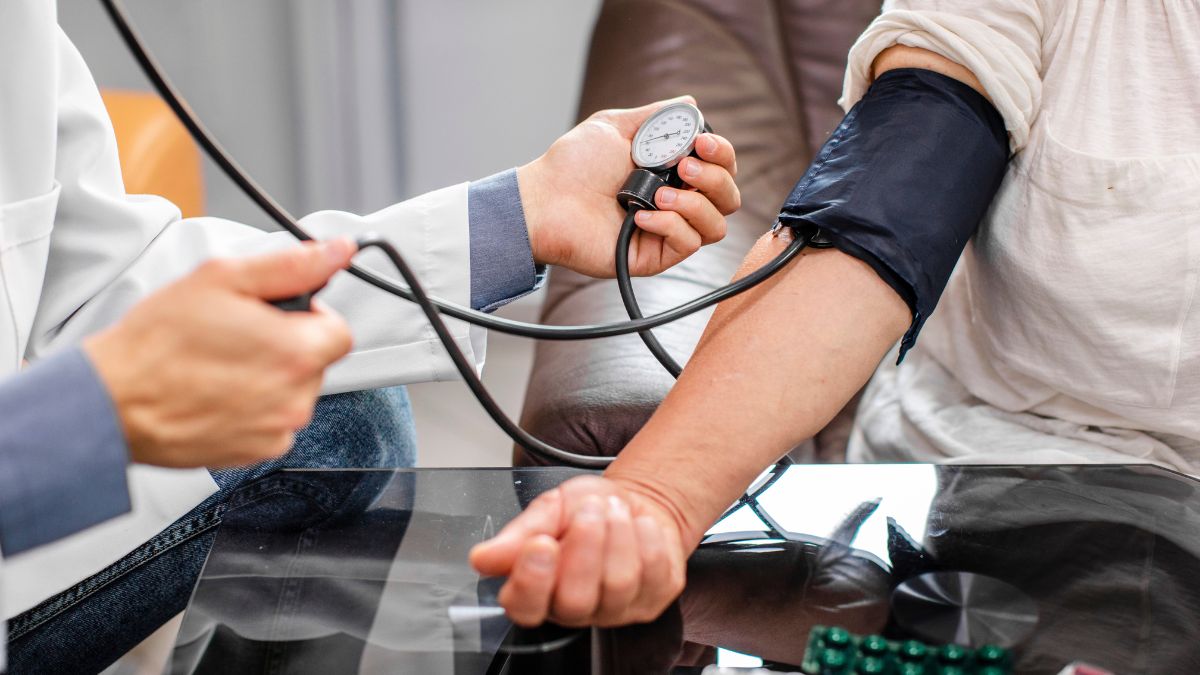
Heart failure means your heart isn't pumping blood well.
You might feel tired, short of breath, and have swollen ankles.
It affects many people worldwide, especially the elderly.
It's important to get medical help.
You can also manage it by eating healthy, limiting salt, watching your weight, and following doctor's advice on fluids.
Exercise can help too.
Watch out for sudden breathlessness, weight gain, or chest pain.

Heart failure occurs when the heart cannot pump blood efficiently.
It affects an estimated 64 million worldwide, 1% in India.
Symptoms include breathlessness, fatigue, and swelling.
Lifestyle changes such as limiting sodium, weight, and fluid management are crucial.
Regular monitoring and early intervention can help to improve the quality of life.
- Who
- Individuals with heart failure and those at risk.
- What
- Causes, symptoms, and management of heart failure.
- When
- Ongoing condition; early intervention crucial.
- Where
- India (relevant to the article's focus).
- Why
- To improve quality of life and reduce hospitalizations.
Preventative Approach
Management
Key preventative measures
Preventative Approach
Emphasizes prevention for individuals without a formal heart disease diagnosis.
Management
Focuses on consistent monitoring, treatment adherence, and healthy lifestyle choices for existing patients.
- Definition
- Heart cannot pump blood efficiently.
- Global Prevalence
- 64 million people worldwide.
- Indian Prevalence
- Nearly 1% of adult population.
- High-Risk Groups
- Elderly, pre-existing heart disease.
- Key Symptoms
- Breathlessness, fatigue, swelling.
- Essential Actions
- Medical care, lifestyle modifications, education.
