

1 week ago
Why Book-Style Foldables Are Winning as Flip Phones Decline
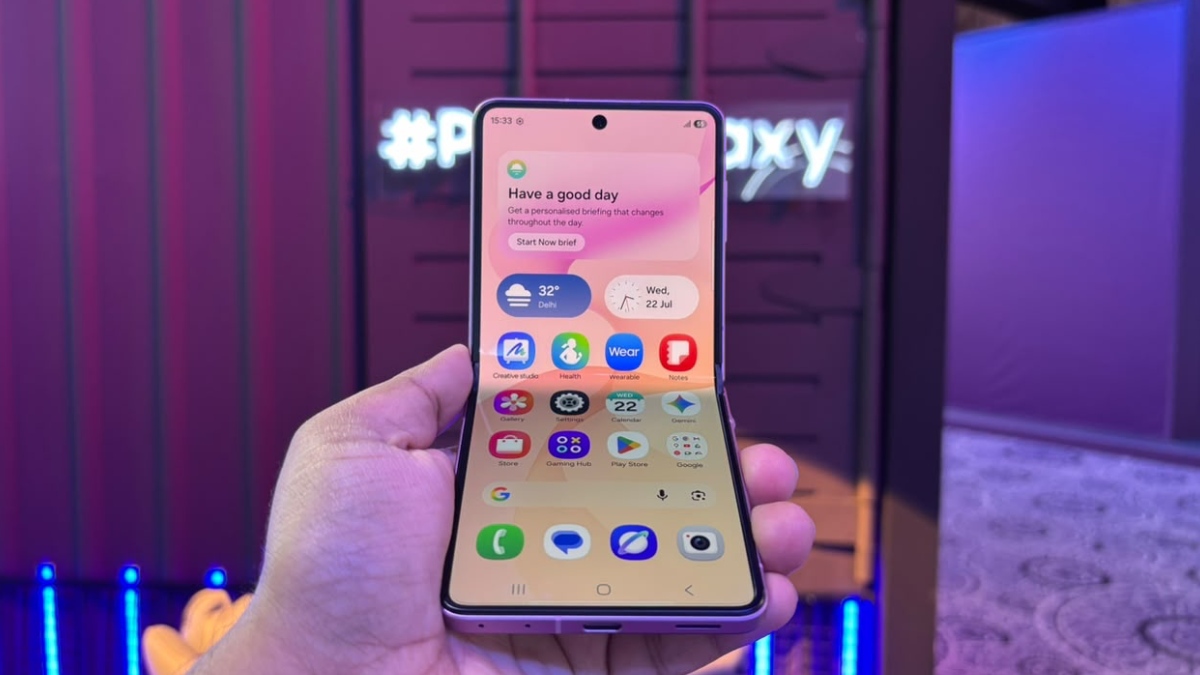
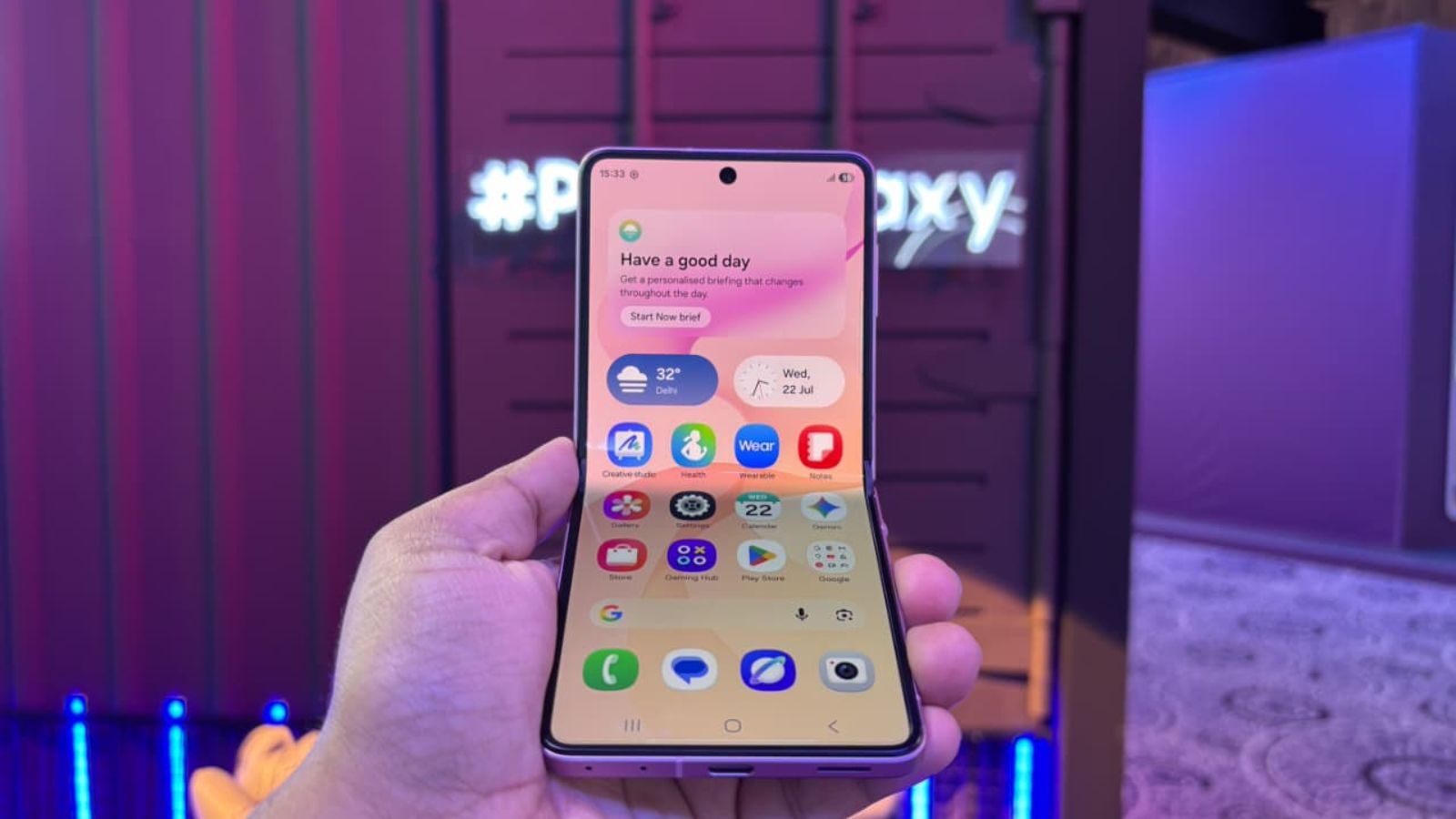
Flip phones can fold into a smaller shape, but they do not give people a bigger screen when opened.
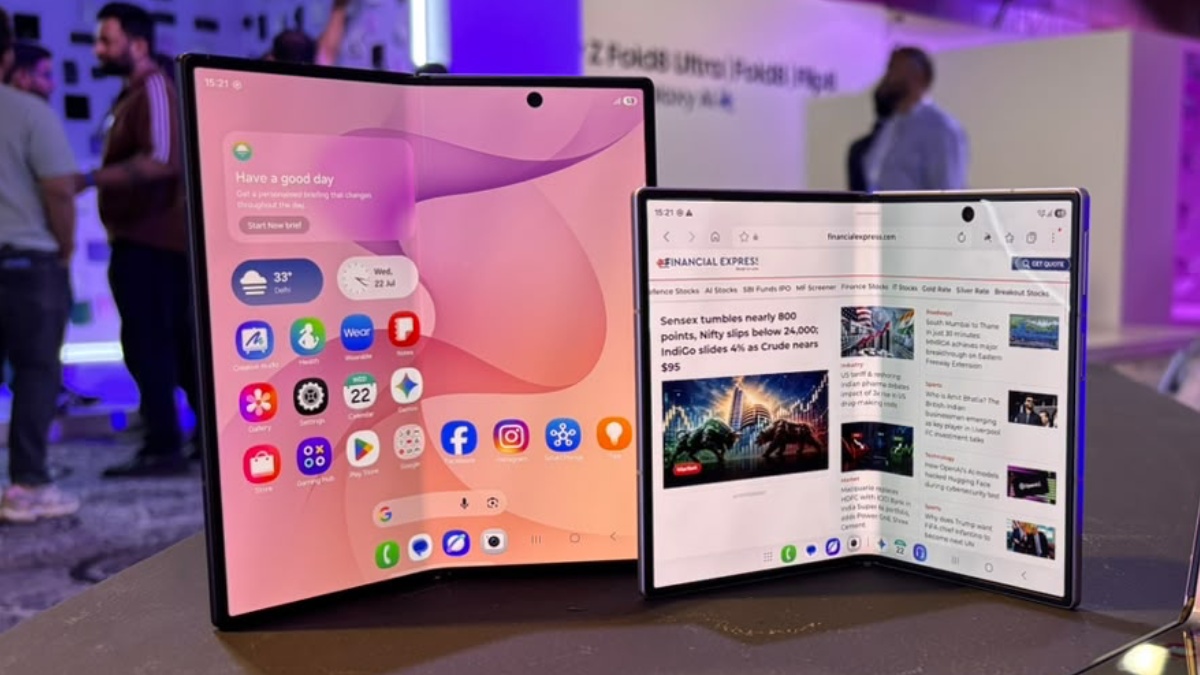
Book-style phones open more like small tablets.
This makes them useful for doing several tasks at once.
Experts say people increasingly want larger screens for work, apps, and AI tools.
Flip phones also have trade-offs, including smaller batteries and camera limitations.
They usually cost a lot, and repairing their screens can be expensive.
Phone companies are therefore focusing more on book-style models.
Flip phones may not disappear completely because some people still like their fashionable and compact design.

Counterpoint Research expects book-style foldables to reach 65%–76% of foldable shipments, up from 52%.
Research Director Tarun Pathak says about 67% of users now prefer book-style models over flip-style phones.
Flip phones provide compactness but do not add overall display area when opened.
Split batteries, camera limitations, premium prices, and expensive screen repairs weaken flip phones’ value.
Flip-style foldables may survive as fashionable, entry-level devices while larger models target productivity and AI use.
- Who
- Consumers, smartphone manufacturers, Counterpoint Research, and Research Director Tarun Pathak.
- What
- The market is shifting from flip-style foldable phones toward larger book-style foldables.
- Where
- The trend concerns the global foldable smartphone market.
- When
- The shift follows the launch of modern flip foldables in 2019; Counterpoint’s forecast covers the Q1 2026 market outlook.
- Why
- Book-style models offer more usable screen space and better support for multitasking, AI tools, larger batteries, and premium hardware, while flip models involve several compromises.
Book-Style Foldables Are the Future
Flip Phones Still Have a Place
Primary use
Book-Style Foldables Are the Future
Book-style foldables provide a larger canvas for multitasking, complex apps, and AI workflows.
Flip Phones Still Have a Place
Flip phones remain attractive to buyers who value compactness, fashion, and a distinctive form factor.
Value and hardware
Book-Style Foldables Are the Future
Larger foldables can support bigger batteries, higher memory configurations, and premium camera systems without the same clamshell compromises.
Flip Phones Still Have a Place
Flip phones still offer a smaller folded footprint and can serve as entry-level lifestyle or complementary devices.
Long-term outlook
Book-Style Foldables Are the Future
Consumers and manufacturers are increasingly moving toward book-style models, and major companies are directing more research and supply-chain resources toward them.
Flip Phones Still Have a Place
The article says it is too early to declare flip phones dead because evolving AI could create new uses for the form factor.
Key facts
- Market forecast
- Book-style foldables are expected to account for 65%–76% of total foldable shipments, compared with 52% previously.
- User preference
- Tarun Pathak says almost 67% of users prefer book-style foldables over flip-style models.
- Flip launch
- Motorola introduced its Razr reboot in 2019, helping establish the modern flip-style foldable format.
- Main compromises
- Flip designs can involve camera, battery-capacity, and display-space trade-offs.
- Repair costs
- Damaged foldable displays can be considerably more expensive to repair.
- Current availability
- The article says Samsung is currently the only company offering flip-style foldables, while Motorola has not announced a Razr flip this year.
- Potential future
- Flip-style foldables may continue as lifestyle or complementary products for fashionable or younger buyers.
Quotes
Tarun Pathak
Research Director at Counterpoint Research
“You have to trade off a lot of things. First, you are paying more. But at the same time, there are trade-offs from the cameras because of the form factor, and trade-offs from the battery—because the battery needs to be split into two halves, which limits your capacity”
 financialexpress.com
“At one point in time, the sales of flip were higher than the full-sized book type. Now, things have reversed—almost 67 per cent of users prefer the book type as compared to flip”
financialexpress.com
Sources
Related news
Are Flip Phones Losing Fashion To Book-Style Foldables?
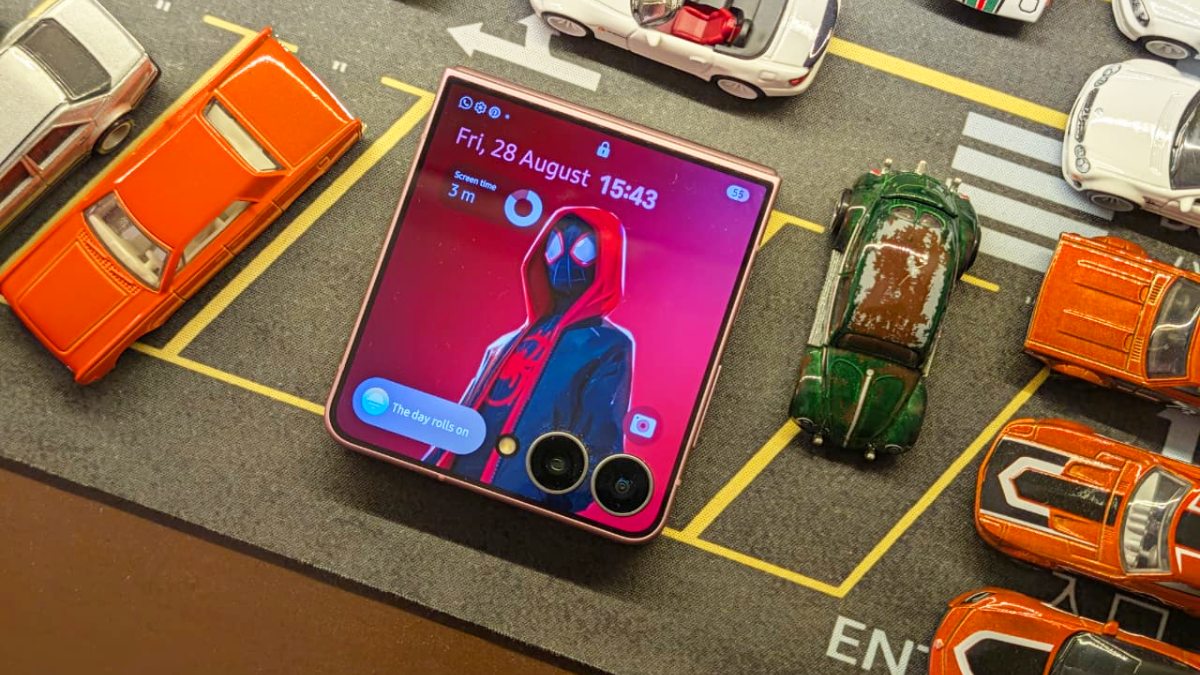
Galaxy Z Flip 8 Makes Phones Fun, With Productivity Tradeoffs
Best Full-Size Foldable Phones Ranked In India For 2026

Samsung Galaxy Z Flip8 Refines The Compact Foldable Experience
Samsung Galaxy Z Fold 8 review: fun, lightweight everyday foldable
Samsung's Galaxy Z Fold 8 Prototype Revealed
Samsung Launches Galaxy Z Fold 8 Ultra and Flip 8

Samsung Launches Galaxy Watch 9 and Ultra 2

Samsung Unveils Next-Gen Foldables and Wearables
