

Archive · 9 Nov 2025
Economist Warns Bihar May Be Trapped by Excessive Welfare Spending
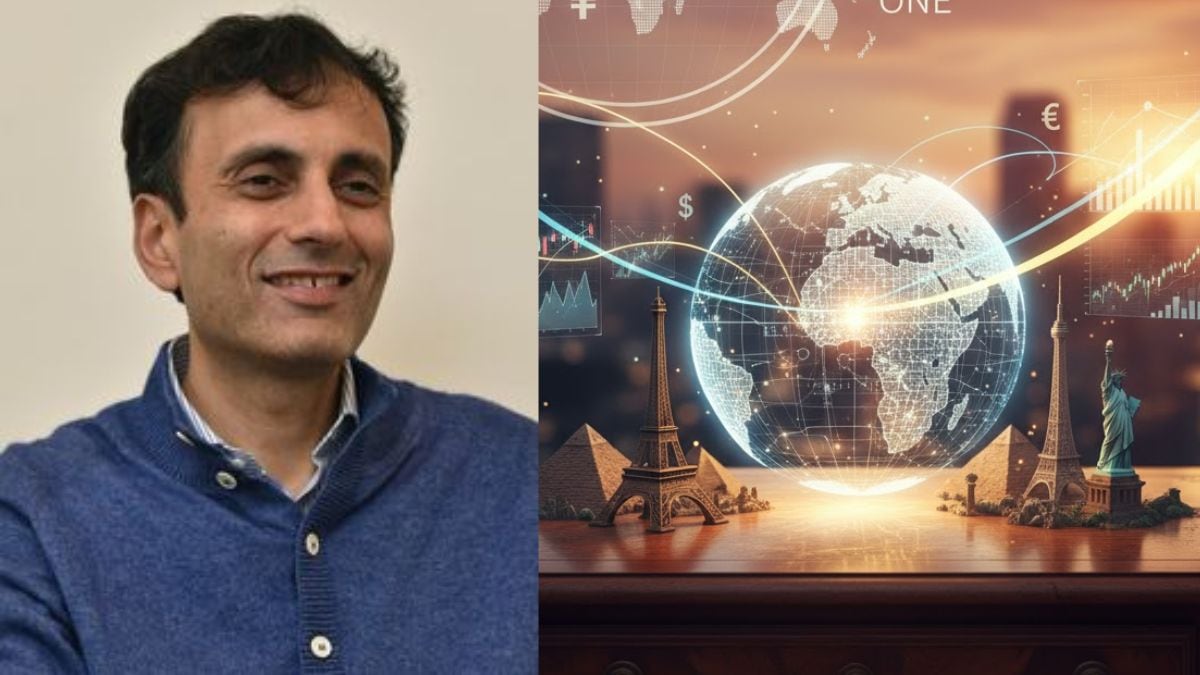
Imagine a state is like a household that needs to spend money.
Some spending is for things we need now, like food (welfare).
Other spending is for things that help us in the future, like building a better house or getting new tools to make more money (infrastructure).
An economist named Ruchir Sharma is worried that a state called Bihar is spending too much money on things needed now, like giving money to many women.
He thinks this is like a 'trap' because if a state spends too much on current needs, it might not have enough money to build better roads, schools, or factories.
Building these future-helping things is important for attracting big companies from other countries to come and invest their money.
If companies don't see a state investing in its future, they might choose to invest their money elsewhere.
So, while helping people now is good, spending too much on it could hurt the state's ability to grow and attract investment in the long run.

Economist Ruchir Sharma warns Bihar may be stuck in a welfare trap due to extensive pre-poll spending.
Bihar's pre-poll welfare announcements are valued at approximately 3% of its FY26 GSDP, around Rs. 3,200 crore.
Sharma argues that excessive welfare spending hinders infrastructure development and deters global investment.
He contrasts India's approach with China's development model, which prioritized infrastructure.
Global investors may avoid states with high welfare spending due to concerns about financial stability and long-term growth.
- Who
- Economist Ruchir Sharma
- What
- Warned that Bihar is becoming trapped by excessive welfare spending, which could deter global investment.
- When
- Leading up to the second phase of Bihar state elections, with pre-poll announcements valued at approximately Rs. 3,200 crore.
- Where
- Bihar, India
- Why
- High welfare spending is seen as potentially leading to revenue deficits, reduced infrastructure investment, and discouraging long-term global investment.
Concerns about Welfare Trap
Context of Welfare Spending
Impact on Investment and Growth
Concerns about Welfare Trap
High welfare spending can limit a state's ability to attract investments and develop infrastructure, leading to revenue deficits and reduced capital spending.
Context of Welfare Spending
While excessive welfare spending without corresponding revenue increases can affect credit profiles, welfare schemes are crucial for socio-economic development. India's focus has shifted towards infrastructure, but welfare remains a significant component of public spending.
Electoral Strategy
Concerns about Welfare Trap
Welfare promises have become a recurring electoral strategy, creating a 'vicious loop' where parties outbid each other with populist schemes.
Context of Welfare Spending
Specific women-centric schemes like the Jeevika Scheme are significant swing factors in elections, indicating their political importance.
Development Model Comparison
Concerns about Welfare Trap
Compares India's current welfare focus unfavorably to China's development model, which prioritized infrastructure investment over welfare at a similar stage.
Context of Welfare Spending
Acknowledges that while China was ruthless with capitalism, India has made efforts to rebalance public spending towards infrastructure, though welfare still dominates.
- Economist's Concern
- Bihar is getting stuck in a welfare trap due to excessive pre-poll welfare scheme announcements.
- Pre-poll Welfare Spending (Bihar)
- Approximately 3% of Bihar's FY26 GSDP, valued at Rs. 3,200 crore.
- Specific Scheme Mentioned
- Mahila Rozgar Yojana (Rs. 10,000 to 15 million women).
- Economic Impact of High Welfare Spending
- Revenue deficits, reduced capital spending on infrastructure, potential tax hikes or increased borrowing, reduced investor confidence, and slower economic growth.
- Comparison to China's Development
- China invested heavily in infrastructure and minimally in welfare during its development stage.
- Indian Government's Spending Trend
- Efforts made under Narendra Modi government to shift balance towards infrastructure from UPA's welfare focus.
- Credit Rating Agency Stance (Crisil)
- Increased welfare allocations without corresponding revenue growth can impact states' credit profiles; fiscal prudence is important.