

Archive · 30 Nov 2025
The Family Man-3 and Northeast Representation
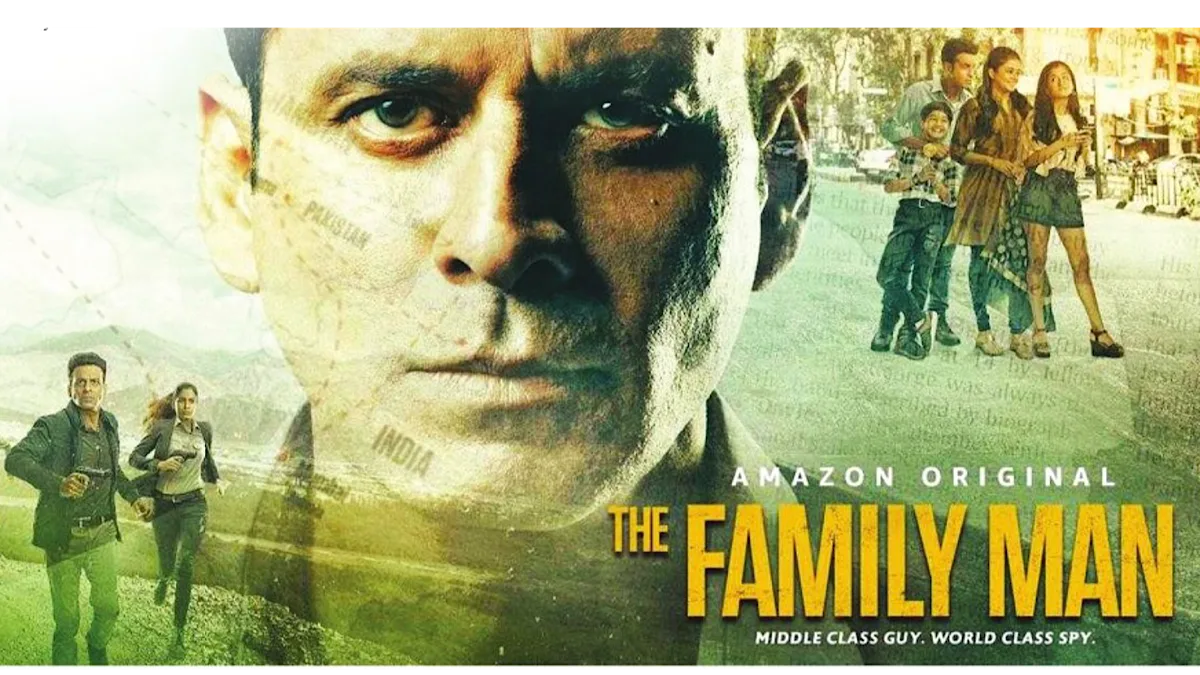
The Family Man-3 is a TV series that recently showed more of Northeast India, which is usually not well-represented in Indian stories.
The show includes beautiful scenes and local traditions, but it still focuses a lot on security and threats, rather than the everyday lives of people there.
The writer says that while it's good to see the Northeast, the story is still told from the perspective of people from other parts of India, not from the Northeast itself.
The writer suggests that future stories should let people from the Northeast tell their own stories, not just be part of someone else's story.
This way, the stories can be more real and meaningful.

The Family Man-3 includes Northeast India, a region often overlooked in mainstream Indian media.
The series features local traditions and landscapes but maintains a national security-focused narrative.
Criticism highlights the lack of local authorship and depth in representing the Northeast's socio-cultural texture.
The show's perspective remains that of mainland India, not the Northeast, limiting its representation.
Alternative films by local Northeast filmmakers offer more authentic and diverse narratives.
- Who
- The Family Man-3 series and its creators
- What
- Representation of Northeast India in the series
- When
- During the release and analysis of The Family Man-3
- Where
- Northeast India, specifically Arunachal Pradesh and Nagaland
- Why
- To discuss the limitations and potential of representing the Northeast in mainstream Indian media
- Series
- The Family Man-3
- Region Focused
- Northeast India
- Key Locations
- Arunachal Pradesh, Nagaland
- Cultural Elements
- Apong ritual, local languages
- Narrative Focus
- Insurgency and national security
- Criticism
- Lack of narrative depth and local authorship
- Alternative Examples
- Loktak Lairembee, Village Rockstars
- Author's Role
- Assistant Professor in Visual Communication