Archive · 8 Dec 2025
Gujarat Combats Rising Antimicrobial Resistance
In Gujarat, India, doctors and the government are working hard to fight a big problem called antimicrobial resistance (AMR).
This happens when tiny germs, like bacteria, become stronger and resist the medicines meant to kill them.
A baby in a hospital had a serious infection that didn't respond to many common medicines.
Experts say this is happening because people don't take the right amount of medicine, stop taking it too soon, or use the wrong kind.
The government is trying to fix this by teaching doctors and hospitals to use medicines more carefully.
They are also collecting data to understand the problem better.
The goal is to make sure that medicines keep working and people stay healthy.
India has one of the highest burdens of AMR globally, with many infections becoming harder to treat.
The Ministry of Health and Family Welfare has launched a new plan to address this issue.

A 6-day-old newborn in Gujarat had a multi-drug resistant bacterial sepsis infection, resisting common antibiotics.
An audit during AMR Awareness Week found that 138 out of 708 prescriptions contained antimicrobials, with majority from WHO 'Access' category.
GUJSAR Surveillance Report showed high resistance levels in key pathogens like E coli, Klebsiella, MRSA, and VRE.
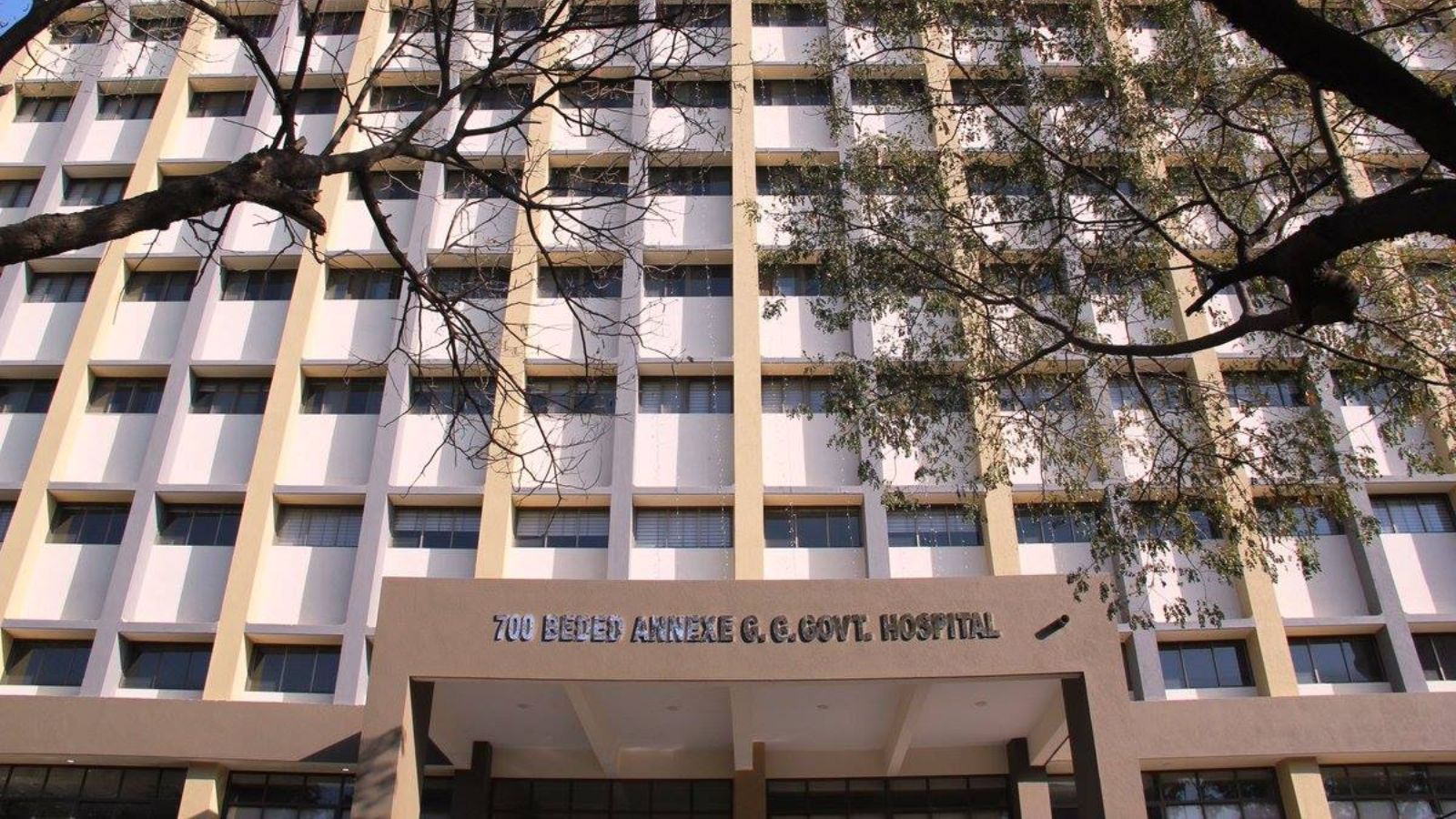
Gujarat Health Department is implementing the AMR Stewardship Programme in 19 medical colleges and expanding to private sector.
The state aims to train and sensitize district hospitals within 18 months to contain AMR and create a network of hospitals.
- Who
- Gujarat Health Department, doctors, hospitals, and private sector, Florian von Groote, WHO, Ministry of Health and Family Welfare
- What
- Efforts to combat antimicrobial resistance (AMR) in Gujarat and India
- When
- Ongoing, with specific actions in 2024 and plans for 2025-29
- Where
- Gujarat, India, with focus on tertiary care hospitals and district hospitals, globally
- Why
- To reduce the rise of drug-resistant pathogens and promote responsible antibiotic use, due to high infection load and widespread antibiotic misuse
- Newborn Case
- 6-day-old with multi-drug resistant bacterial sepsis
- Antibiotics Used
- Piperacillin Tazobactam, Meropenem, Fluconazole
- AMR Awareness Week Audit
- 708 prescriptions, 138 with antimicrobials
- WHO Classification
- Majority from 'Access' category, 1/3 from 'Watch'
- Resistance Increase
- 10%-20% in last two years
- GUJSAR Report
- High resistance in E coli, Klebsiella, MRSA, VRE
- AMR Stewardship
- 19 medical colleges, expanding to private sector
- Training Deadline
- 18 months for district hospitals
- Global AMR Burden
- India has one of the highest AMR burdens globally
- AMR Deaths in India
- 267,000 deaths in 2019 from drug-resistant infections
- National Action Plan
- NAP-AMR 2.0 launched for 2025-29
Sources
Gujarat Hardlook: Fighting Superbugs: Inside the pushback against rising Antimicrobial Resistance

Falling sick in Brazil showed me what India gets wrong about antibiotics

Why is antimicrobial resistance not just future threat, but a present reality