3 weeks ago
Judge orders rewrite of Florida property tax ballot question

In Florida, people who own their homes pay property taxes that help pay for things like fire protection, roads, and schools.
The state has a plan called Amendment 3 that would give homeowners a much bigger tax break, so they would pay less money.
Voters will decide on the plan in November.
But a judge said the question on the ballot uses words that could trick people, so it has to be rewritten before people vote.
The plan would raise the tax break from $50,000 to $250,000 over a couple of years.
People who rent their homes would not get this tax break.
Some experts worry that cities and counties would then raise taxes on rental homes and businesses to get the money back.
That could mean renters end up paying more, even though the plan is supposed to help people save money.
Supporters say it helps homeowners, especially older people on fixed incomes, while opponents say it could hurt renters and local services.

Florida voters will decide in November whether to approve Amendment 3, which would raise the homestead exemption from $50,000 to $250,000 by January 2028.
Leon County Judge David Frank ruled that the amendment's ballot title and summary contain political language that could mislead voters and ordered them rewritten.
Attorney General James Uthmeier has 10 days to revise the ballot summary unless the ruling is appealed, with court deadlines near the end of August.
The Tax Foundation and Florida Policy Institute warn the amendment could shift lost property tax revenue onto renters and commercial properties.
A James Madison Institute survey found support for the amendment drops from 74 percent to 55 percent when voters learn it could reduce local government service funding; amendments require 60 percent support to pass.
The amendment would cut the assessment-growth cap for non-homestead residential properties from 10 percent to 5 percent and limit local government spending to 'core services.'
- Who
- Florida voters, Governor Ron DeSantis, Judge David Frank, Attorney General James Uthmeier, and advocacy groups on both sides of Amendment 3.
- What
- A Leon County judge ruled that the ballot language for Amendment 3, a major property tax overhaul, must be rewritten because it contains political rhetoric and could mislead voters.
- Where
- Florida (Leon County, Florida).
- When
- The ruling came ahead of the November 2026 vote, with a 10-day window for the Attorney General to revise the summary and court deadlines near the end of August.
- Why
- Homeowners face sharply rising property tax burdens, but critics say the ballot language fails to explain consequences for local government powers, services, and renters.
Supporters of Amendment 3
Opponents and critics of Amendment 3
Property tax relief
Supporters of Amendment 3
The amendment significantly cuts property taxes for homeowners, providing relief especially to older Floridians and people on fixed incomes, and could reduce some tax bills to zero.
Opponents and critics of Amendment 3
Benefits go only to homeowners who live in their homes; renters get no expanded exemption and could face higher costs if local governments recover lost revenue from rental and commercial properties.
Local government services and spending
Supporters of Amendment 3
The amendment limits spending to 'core services' and helps restrain rising local tax burdens.
Opponents and critics of Amendment 3
It could reduce funding for public transport, education, fire protection, and other programs, and critics say it changes the constitutional balance by giving the Legislature control over local ad valorem tax spending.
Ballot language fairness
Supporters of Amendment 3
The original summary accurately described benefits such as exempting homestead properties and ensuring funding for core services.
Opponents and critics of Amendment 3
Judge Frank called the language 'political rhetoric, not neutral, not explanation' and said it failed to explain effects on home rule, warranting a rewrite.
Key facts
- Amendment name
- Save Our Homes from Excessive Property Taxes (Amendment 3)
- Homestead exemption change
- From $50,000 to $150,000 (Jan 2027) and $250,000 (Jan 2028); not applied to public school portion
- Non-homestead assessment-growth cap
- Cut from 10% to 5%
- Property tax revenue growth (2019-2024)
- Up 62.8%, from roughly $31 billion to $55 billion
- Florida renter households
- 2.83 million; rent takes 37.4% of typical income
- Homeownership rate
- About two-thirds of Florida households
- Passage requirement
- 60% of votes; effective January 1, 2027 if approved
- Support in polling
- 74% initially; 55% when told it could reduce local service funding
Quotes
Judge David Frank
Leon County judge overseeing the ballot language challenge.
“"Voters are entitled to a fair, clear, accurate and non-misleading ballot statement to assist them in making their critical determination," Judge David Frank wrote in his 18-page ruling.”
 financialexpress.com
“"Our goal here right from the beginning was not to take this off the ballot," Jamie Cole, attorney for Save Our Voters From Misleading Ballot Language, told the News Service of Florida.”
financialexpress.com
Sources
Related news

Homeowners Sue New York City Over Pied-à-Terre Tax Roll

South Korea Party, Government Seek Tax Relief for Homeowners

NYC's pied-à-terre tax temporarily blocked by court ruling

Rajasthan BJP Promises Early Disturbed Area Law Enforcement
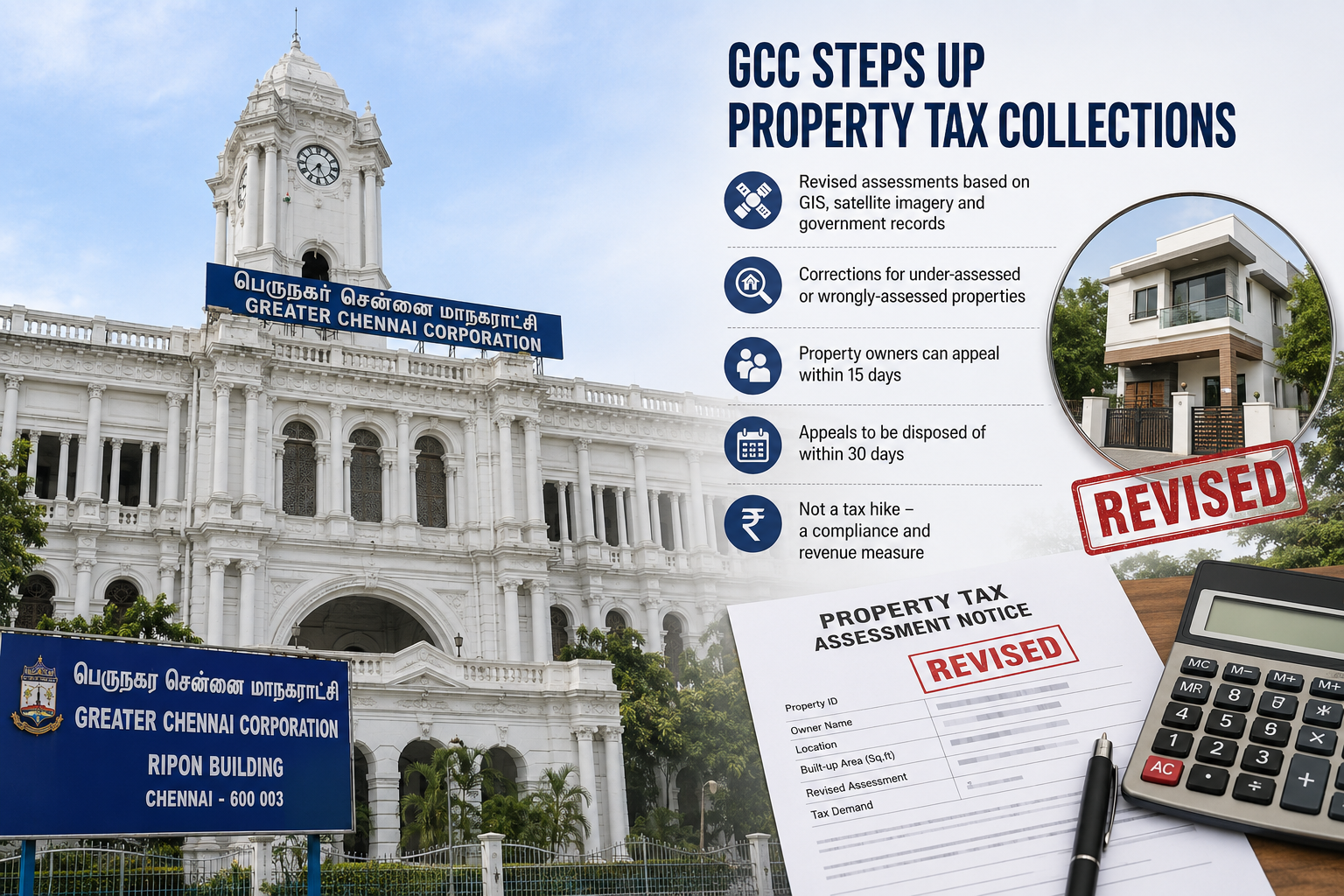
GCC Revises Under-Assessed, Wrongly-Assessed Properties for Tax Revision