Archive · 7 Nov 2025
Bihar's Growth Stagnating, Faces Welfare Trap: Ruchir Sharma
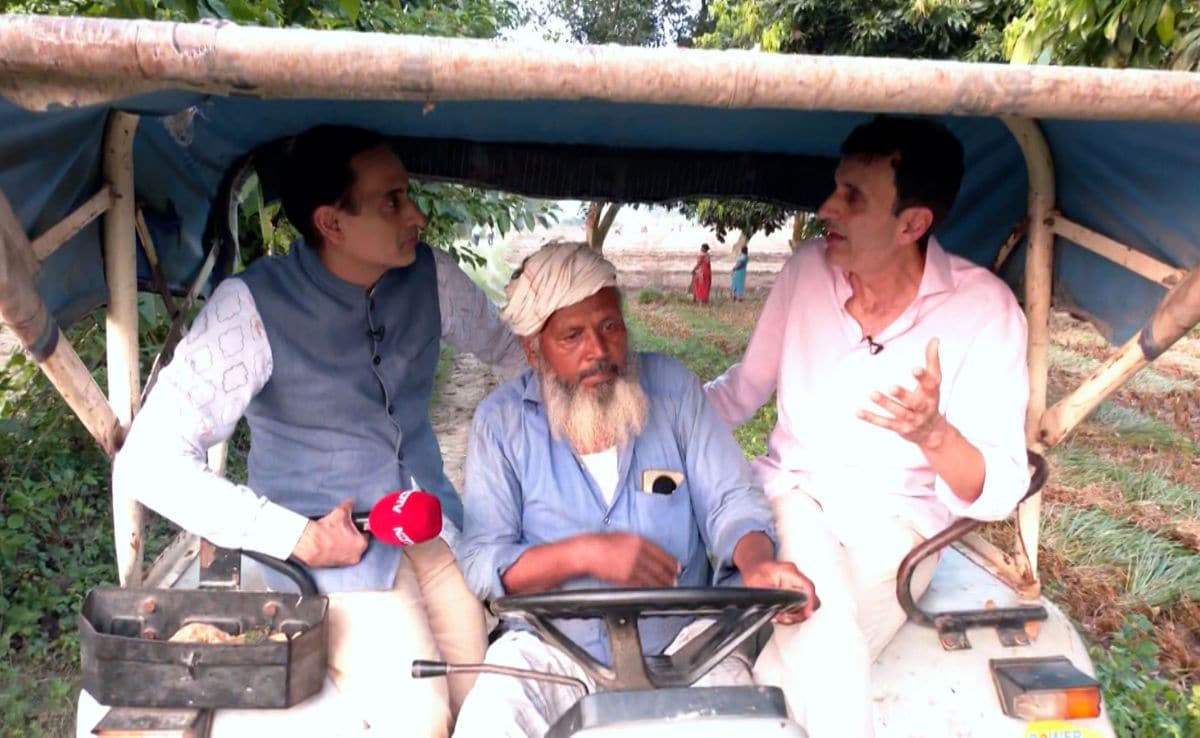
A smart investor named Ruchir Sharma visited Bihar and saw that it got much better between 2005 and 2015.
Things like roads and electricity improved a lot.
But after 2015, things slowed down.
He saw a lot of poverty, even near the capital city.
Sharma worries that Bihar is spending too much money on helping people with basic needs, like giving money to women, which is called a 'welfare trap'.
He thinks this money should be spent more on building new things, like better roads and factories, to create jobs.
He also talked about how banning alcohol might be popular with some people, especially women, but it might not be the best for the state's economy because it stops the government from earning money and might lead to more illegal drinking.
He noted that many women seem to support the current government, which might be because of the money they receive.

Bihar experienced significant progress in infrastructure and development between 2005 and 2015, but has shown signs of stagnation since then.
Investor Ruchir Sharma expressed concern over poverty levels and the widening gap in per capita income compared to the rest of India.
Sharma warned against a 'welfare trap,' where excessive spending on welfare schemes might hinder investment in infrastructure and long-term economic growth.
The state's prohibition policy, while popular with women, may have negative economic consequences, including reduced state revenue and potential rise in illegal activities.
Sharma observed that the current government enjoys considerable goodwill, particularly among women voters, which is a significant factor in the ongoing elections.
- Who
- Ruchir Sharma, global investor and author
- What
- Discussed Bihar's economic growth trajectory, its current stagnation, and the challenges posed by the 'welfare trap', while also touching on the impact of prohibition and women's votes in the ongoing elections.
- When
- During the election season, in an interview referencing the period between 2005-2015 and the current times.
- Where
- Bihar
- Why
- To provide insights on what investors would like to see from the next state government to attract global investment and foster growth.
Ruchir Sharma's Concerns
Bihar's Current Situation & Potential
Economic Growth Trajectory
Ruchir Sharma's Concerns
Bihar saw remarkable growth between 2005-2015 but has begun to stagnate since then, with per capita income gap widening again.
Bihar's Current Situation & Potential
Bihar experienced significant improvement in infrastructure and law and order from 2005-2015, indicating past success in development.
Welfare Schemes vs. Investment
Ruchir Sharma's Concerns
Heavy spending on welfare schemes (e.g., Rs 3% of GDP announced in pre-poll schemes) can lead to a 'welfare trap', diverting funds from essential infrastructure and long-term growth.
Bihar's Current Situation & Potential
Recent election focus on welfare schemes, like Rs 10,000 given to women, has garnered significant support, particularly among women voters.
Prohibition Policy
Ruchir Sharma's Concerns
Prohibition in Bihar, while popular with women, may not be economically sound for a state with a less robust local economy, potentially leading to increased drug abuse and illegal liquor trade.
Bihar's Current Situation & Potential
The prohibition policy is popular among women, despite potential economic drawbacks, highlighting a balance between good politics and good economics.
- Growth Period
- 2005-2015
- Stagnation Period
- Post-2015
- Per Capita Income (Bihar)
- Approx. Rs 70,000/year (about 30% of India's)
- Per Capita Income (India)
- Approx. Rs 2 lakh/year
- Key Development Areas (2005-2015)
- Roads, infrastructure, law and order, electrification
- Struggling Sector Post-2015
- New industries and employment creation
- Election Welfare Scheme Announcement
- Approx. 3% of GDP