

Archive · 27 Oct 2025
Bihar Elections: Welfare Politics as Democratic Bargaining
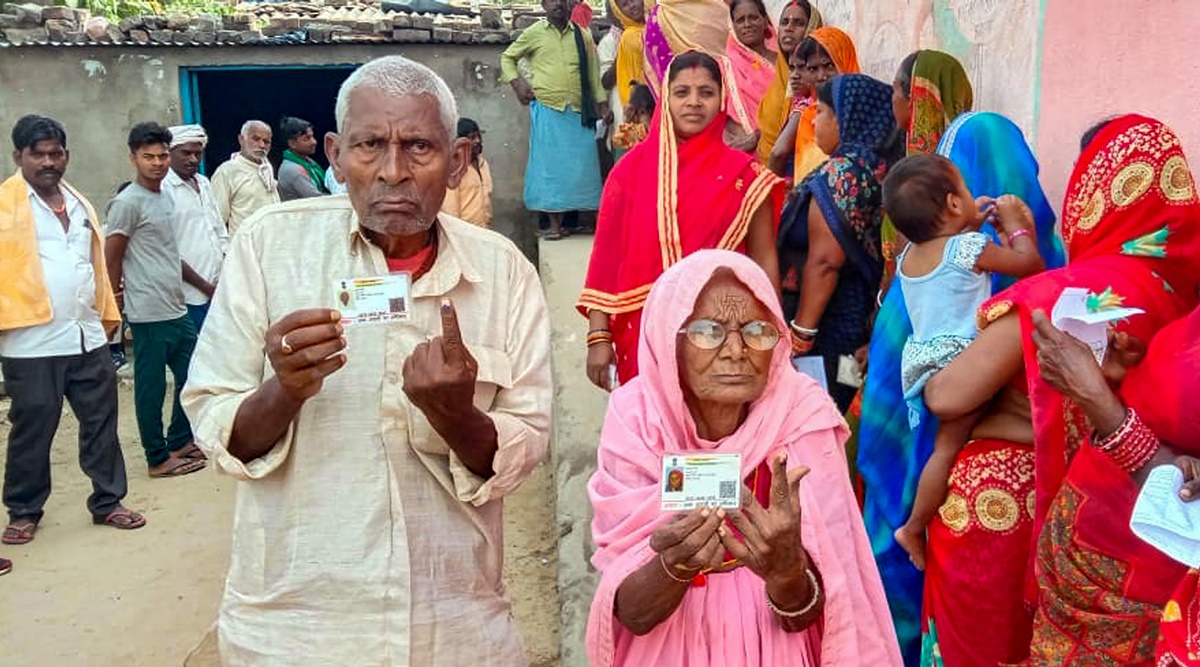
In Bihar, political parties are offering things like electricity and cash to voters to win elections.
Some people think this is just giving away 'freebies' and a waste of money, but the article argues it is a part of democratic bargaining.
In other words, voters are now like customers making demands, and politicians try to meet them.
It is also an important aspect of democracy and social justice in a diverse and unequal society, as it helps include those who may have been left out.
Instead of seeing this as a negative thing, the author suggests it is a sign of a vibrant democracy where people are empowered to make demands and have their voices heard.

The article analyzes the role of welfare politics in the context of the Bihar elections.
It critiques the view that welfare is simply 'freebies' hindering development.
It presents welfare as a form of democratic bargaining in a political marketplace.
The author views welfare as essential for the expansion of democracy.
It highlights that welfare redistributes power and recognition in Indian society.
- Who
- Political scientist, Georgetown University (Qatar)
- What
- Analysis of welfare politics in Bihar elections.
- When
- During the Bihar election campaigning.
- Where
- Bihar, India
- Why
- To understand the role of welfare in Indian democracy.
Critics of Welfare
Supporters of Welfare
Welfare's Impact
Critics of Welfare
Welfare as 'handouts' or 'freebies' that hinder long-term development.
Supporters of Welfare
Welfare as a form of democratic negotiation and political inclusion.
Economic Philosophy
Critics of Welfare
Focus on 'productive investment' versus 'wasteful freebies'.
Supporters of Welfare
Prioritizing stability, participation, and recognition through welfare.
- Focus
- Welfare in Bihar elections
- Central Argument
- Welfare is a form of democratic bargaining.
- Perspective
- Welfare as political inclusion