

Archive · 2 Sep 2025
China Launches Color-Coded Degree System Amidst Youth Unemployment Crisis
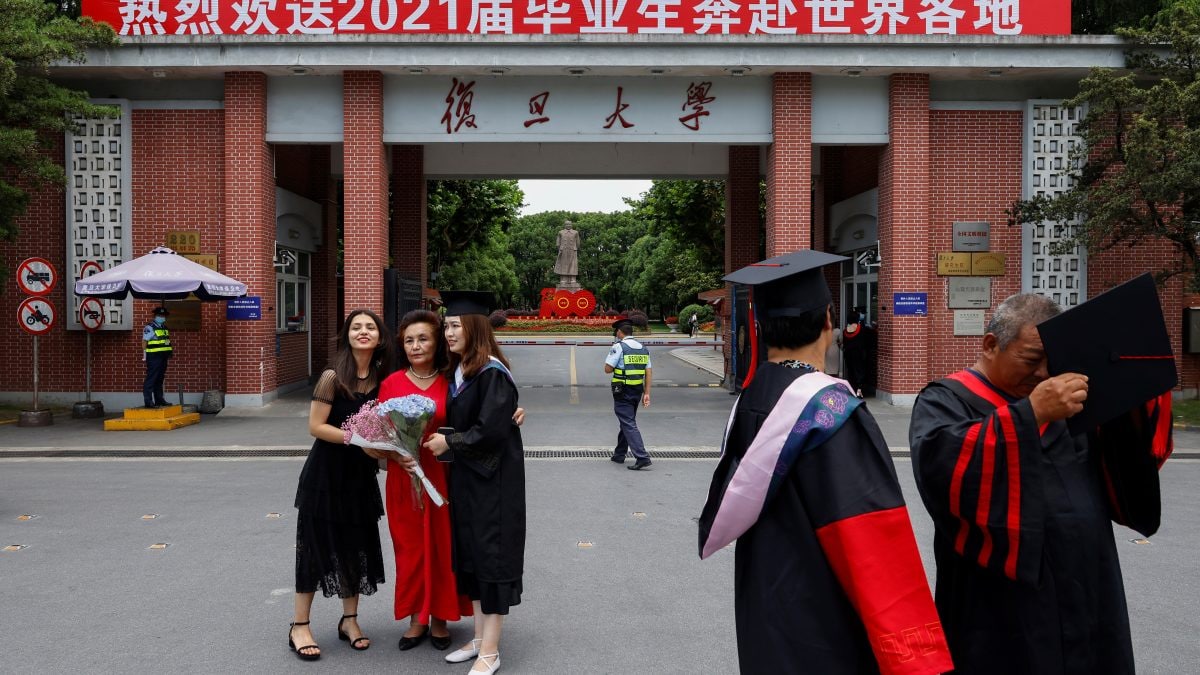
China is facing a problem: many young people can't find jobs after graduating.
To fix this, the government is changing how it ranks university degrees.
Degrees will be labeled with colors, like green (good) or red (too many).
This is meant to push students toward fields that the country needs, like high-tech jobs.
Some graduates are so desperate for work that they are paying to go to fake offices to feel like they have a job.
The government hopes this new system will help students find jobs and boost the economy, but some worry it might limit choices and not adapt quickly enough to changes.

China introduces a color-coded degree ranking system to tackle youth unemployment.
Degrees will be classified as 'red' (oversupplied) or 'green' (encouraged).
The initiative aims to direct students toward fields aligned with economic demand.
The government promotes high-tech industries, including drones, to create jobs.
Critics warn the system could limit flexibility in a changing economy.
- Who
- China's government and universities
- What
- Launched a color-coded degree ranking system
- When
- In response to worsening youth unemployment
- Where
- China
- Why
- To align education with the needs of the national economy
- Degree Ranking System
- Color-coded: Green (encouraged), Red (oversupplied)
- Youth Unemployment Rate (Earlier this year)
- Over 14%
- Focus of New Programs
- High-tech industries (drones, flying cars)
- Reasoning for New System
- Address mismatch between education and labor market
- Examples of Youth Response
- Pretend offices to simulate workplaces