

Archive · 23 Jul 2025
Are Artificial Sweeteners Better Than Sugar? A Look at Pros and Cons
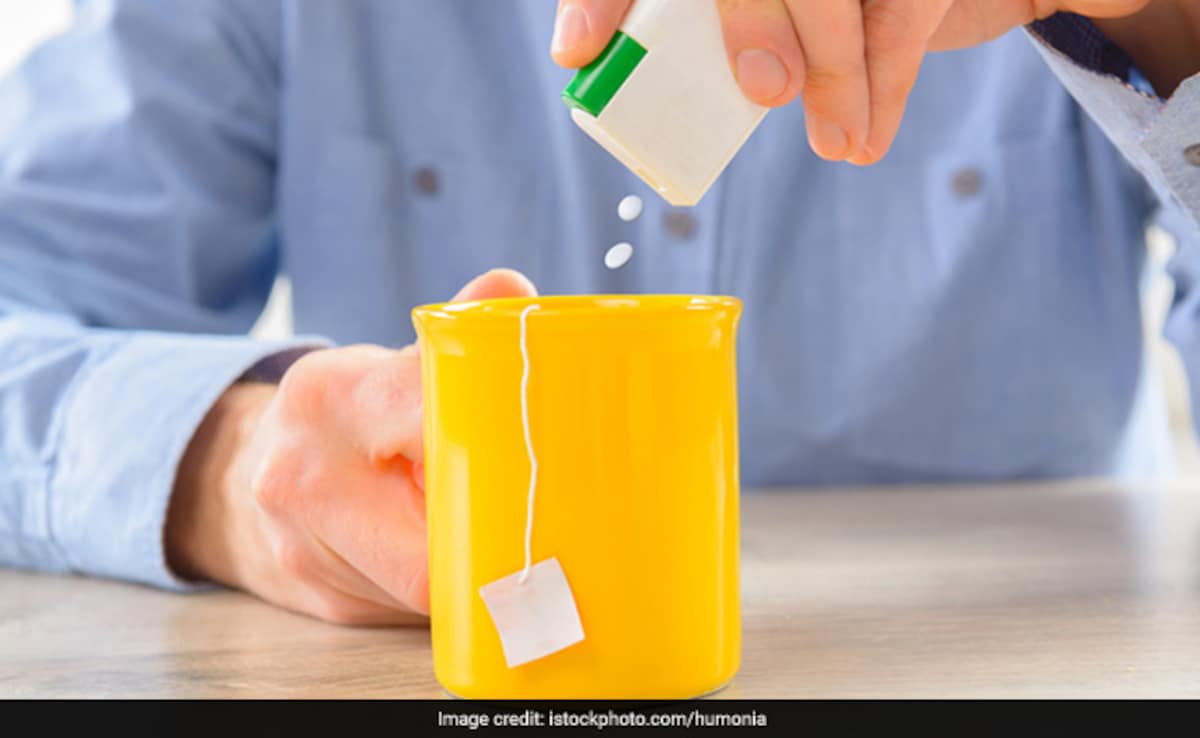
Imagine sugar as a treat that gives you energy but also causes some problems.
Artificial sweeteners are like a different kind of treat.
They're sweet but have fewer calories and don't spike blood sugar, which is good for people with diabetes.
They also don't cause cavities.
However, some studies suggest that they could be bad for your gut health, can make you crave more sweets, and might trick your body into eating more.
It's important to use them carefully, like any treat.

Artificial sweeteners offer fewer calories and don't raise blood sugar, unlike sugar.
They may help prevent tooth decay, a benefit sugar does not provide.
Artificial sweeteners could potentially disrupt gut health and increase sweet cravings.
Overconsumption of artificial sweeteners might lead to overeating and weight gain.
Some studies suggest they could alter hormonal responses related to satiety.
- Who
- Information is provided for the general public.
- What
- An overview of artificial sweeteners, discussing their benefits and potential health concerns.
- When
- The information is current.
- Where
- The article does not mention a specific location.
- Why
- To inform readers about the pros and cons of artificial sweeteners.
Benefits of Artificial Sweeteners
Potential Drawbacks of Artificial Sweeteners
Impact on Health
Benefits of Artificial Sweeteners
Artificial sweeteners can help manage calorie intake and blood sugar levels.
Potential Drawbacks of Artificial Sweeteners
Artificial sweeteners may disrupt gut health and increase cravings.
Long-term Effects
Benefits of Artificial Sweeteners
Artificial sweeteners can prevent tooth decay.
Potential Drawbacks of Artificial Sweeteners
Overconsumption may lead to overeating and weight gain.
- Types of Sweeteners Mentioned
- Aspartame, sucralose, saccharin
- Benefits
- Low/no calories, does not spike blood sugar, helps prevent tooth decay
- Potential Concerns
- May affect gut health, increase sweet cravings, overconsumption and compensatory eating, may disrupt hormonal responses