

Archive · 7 Oct 2026
Delhi High Court Gives Centre Six Months on Body-Camera SOP
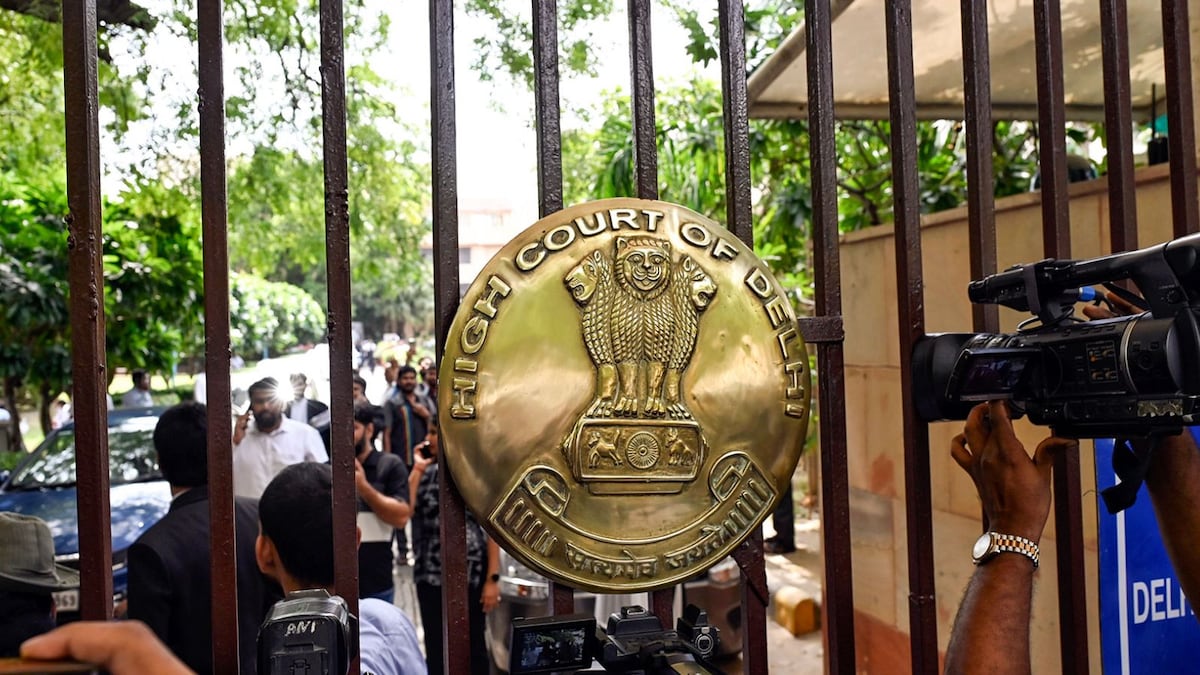
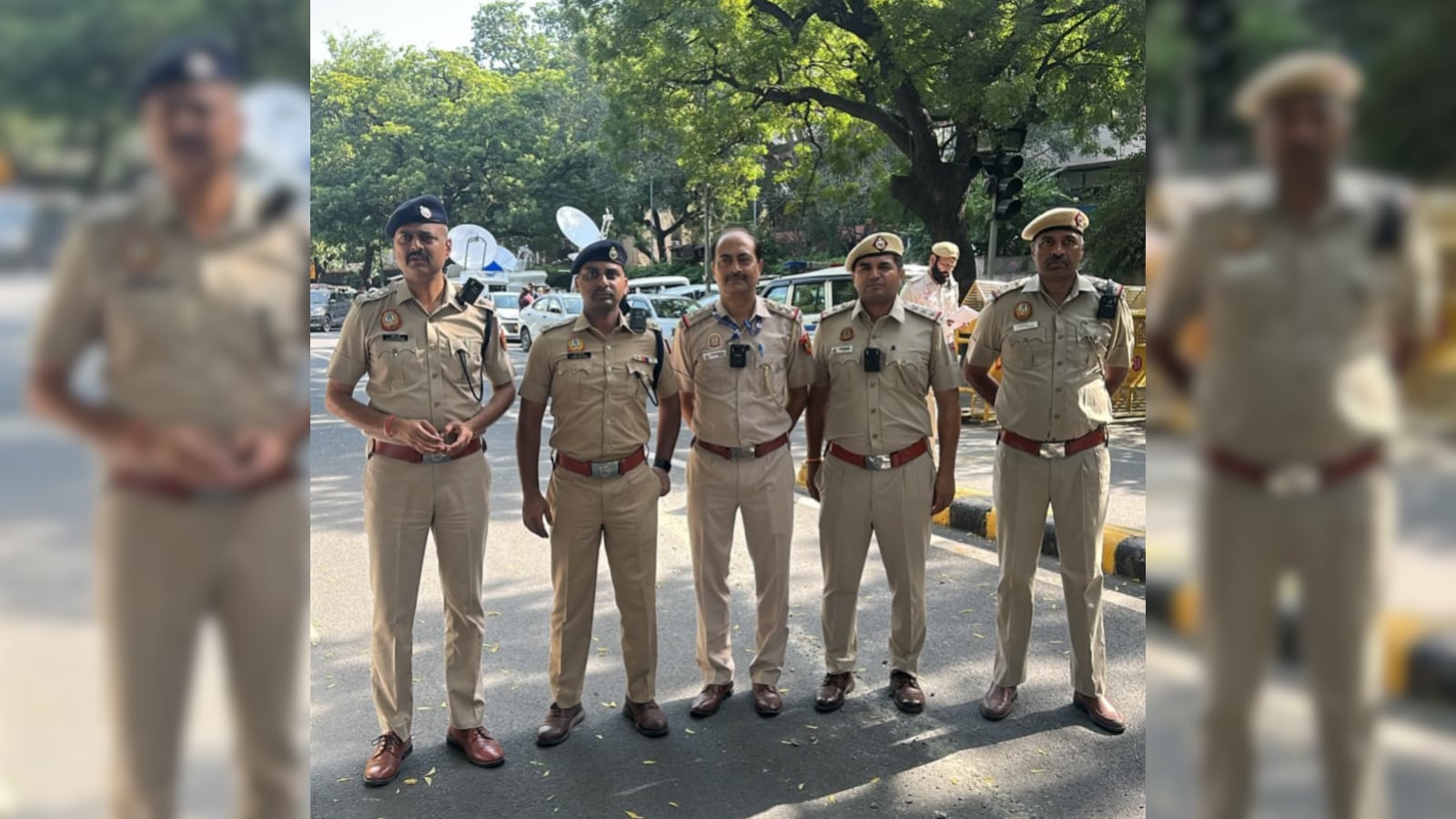
A petitioner asked the Delhi High Court to require police officers at protests to wear cameras that stay on while they work.
The request also asked for rules about keeping and using the videos.
The petitioner said videos could help show what happened when protesters and police make claims about violence.
The government said there are already ways to record protests.
The court did not order police to wear cameras.
Instead, it asked the Centre to consider the request and tell the petitioner its decision within six months.
The petitioner can return to court if there is no action.
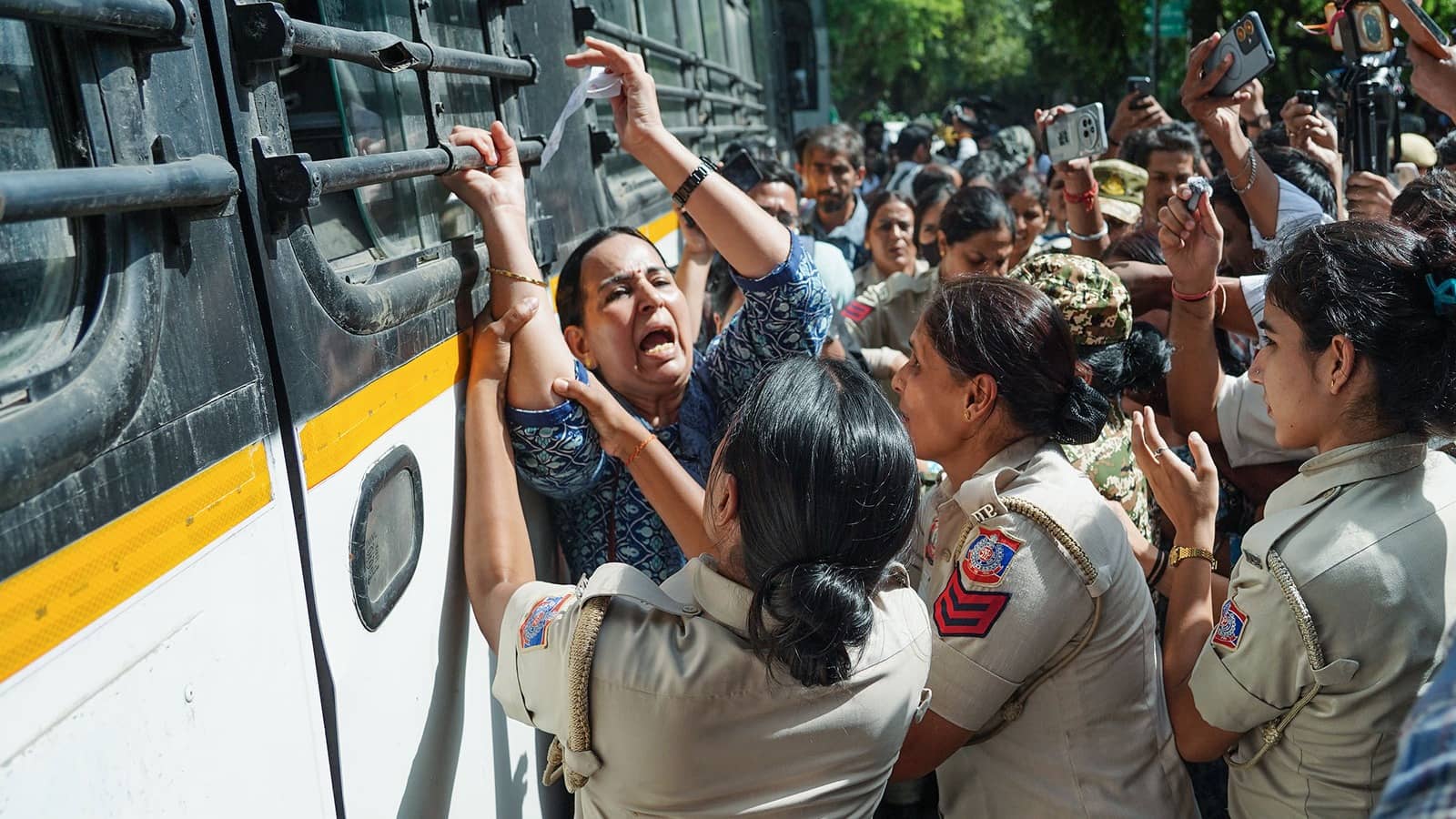
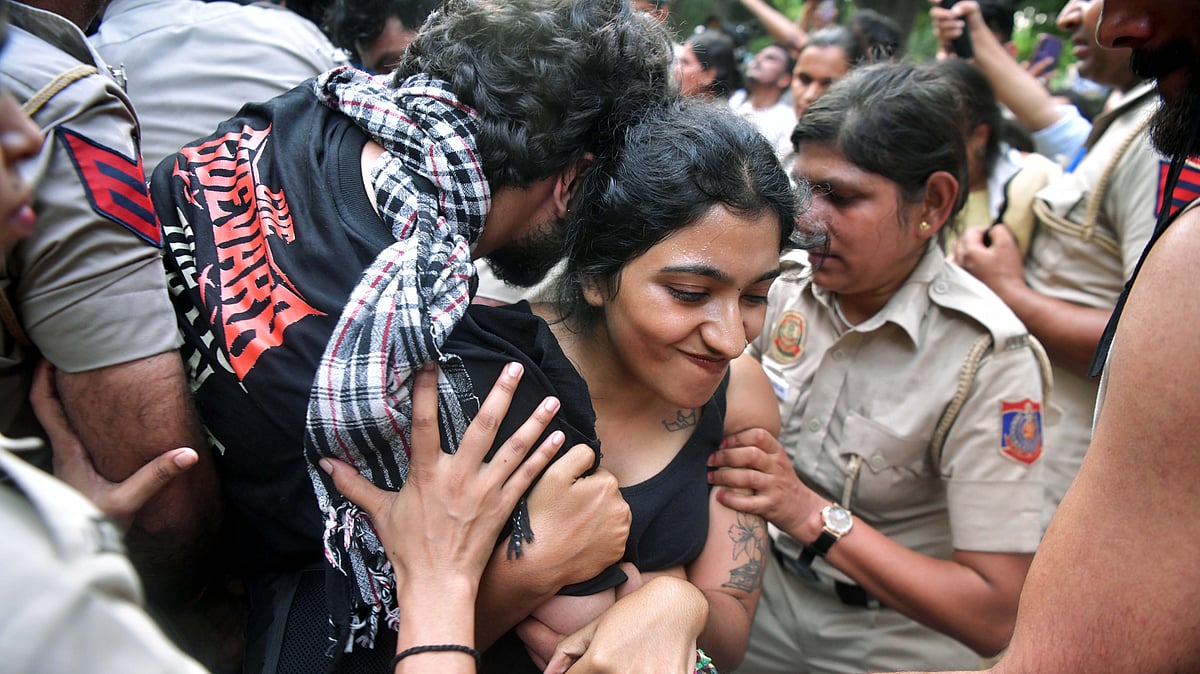
The case followed protests at Jantar Mantar in July.

The Delhi High Court declined to require body-worn cameras for police and Rapid Action Force personnel at protests and crowd-control operations.
It directed the Centre to treat Chahat Raghav’s PIL as a representation and communicate its decision on an SOP within six months.
The petition sought continuous camera use and rules for storing, retaining, protecting and using footage as evidence.
The petitioner argued cameras could improve accountability, while the Centre cited existing protest videography mechanisms and said the PIL could be treated as a representation.
The petition followed July protests at Jantar Mantar, where it said much of the available footage came from bystanders’ phones.
- Who
- The Delhi High Court, the Centre and petitioner Chahat Raghav; the plea concerns Delhi Police and Rapid Action Force personnel.
- What
- The court declined to mandate body-worn cameras and directed the Centre to decide on the requested SOP within six months.
- When
- The order was issued on Wednesday; the petition cited July protests at Jantar Mantar.
- Where
- The Delhi High Court; the protests cited in the petition took place at Jantar Mantar, Delhi.
- Why
- The petitioner sought an official video record to help establish accountability amid competing allegations about protest conduct.
Petitioner's arguments
Court and Centre's position
Need for body-worn cameras
Petitioner's arguments
The petitioner argued that continuous cameras could improve transparency and accountability when allegations of force or violence are disputed.
Court and Centre's position
The court declined to impose a camera requirement, saying the issue concerns policing broadly and questioning the need for judicial intervention.
Whether existing recording is sufficient
Petitioner's arguments
The petitioner said police camera use was sporadic and that protest footage often came from bystanders; existing videography was not equivalent to cameras worn by officers involved in crowd control.
Court and Centre's position
The Centre cited existing arrangements and guidelines for protest videography and said the PIL could be considered as a representation.
- Petitioner
- Chahat Raghav
- Court outcome
- No order requiring body-worn cameras
- Deadline
- The Centre must communicate its decision within six months
- Personnel covered by petition
- Delhi Police and Rapid Action Force personnel on protest and crowd-control duties
- Requested camera policy
- Continuous use from deployment through stand-down
- Requested footage rules
- Storage, integrity, retention and evidentiary use
- Protest context
- July demonstrations at Jantar Mantar involving the Cockroach Janata Party and Sonam Wangchuk
Sources
Delhi HC Asks Centre To Consider PIL Seeking Mandatory Body Cameras For Police
Delhi HC asks Centre to consider plea for body-worn cameras for police managing protests, crowd
Delhi HC Refuses To Mandate Body Cameras For Police, RAF During Protests; Directs Centre To Decide On SOP Within 6 Months
Body Cams For Police: Delhi High Court Asks Centre To Decide In Six Months
