1 hr ago
Delhi High Court Gives Centre Six Months on Police Body Camera SOP
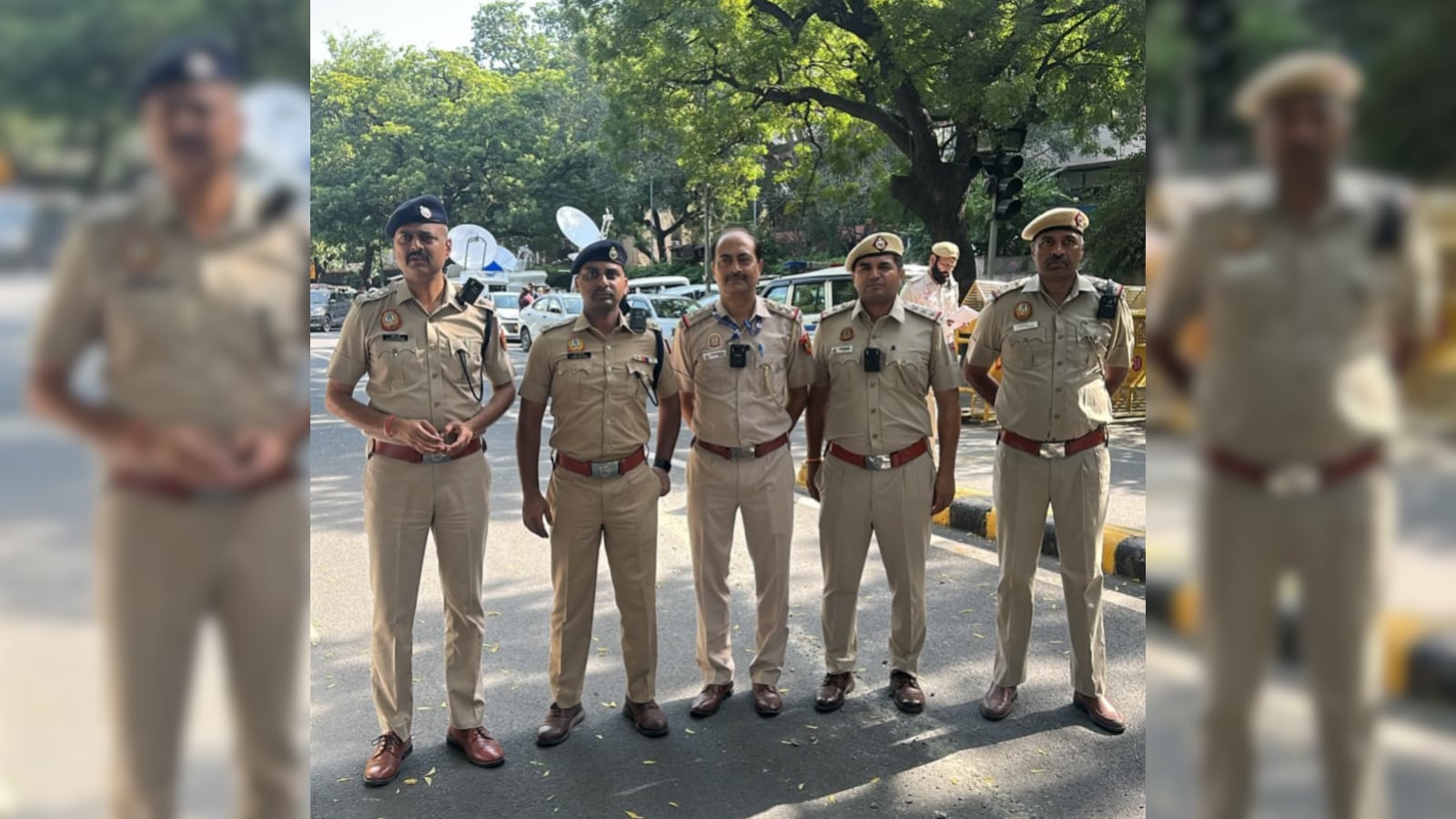
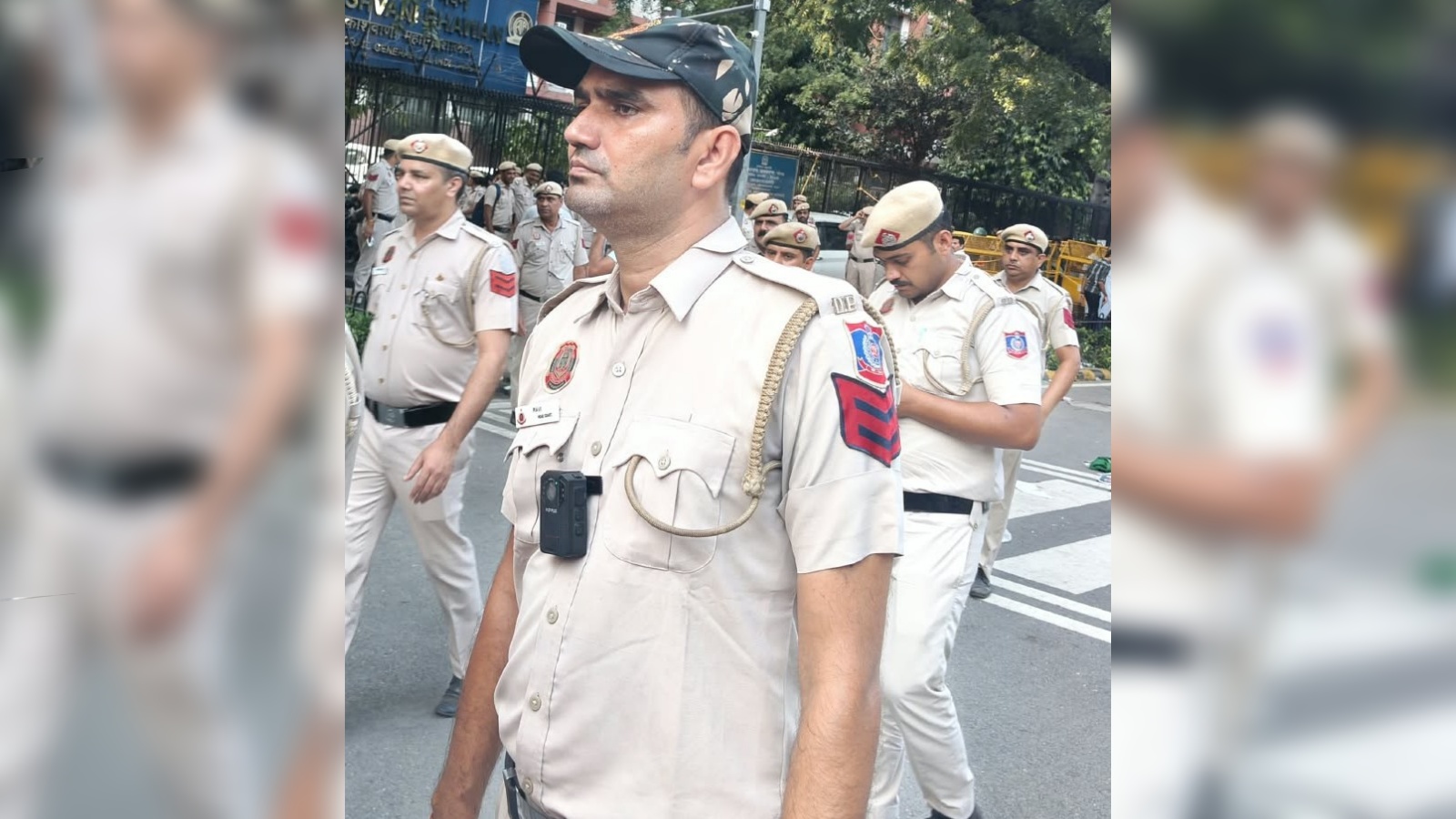
A person asked the Delhi High Court to require police officers at protests to wear cameras.
The cameras could make videos of what happens during crowd-control operations.
The court did not make the cameras compulsory.
It said the Centre should consider the request and decide whether to make rules for using the cameras within six months.
The request also asks for rules about keeping and using the videos.
The petitioner says cameras could help show what happened during protests.
The government’s lawyer said the request could be treated as a formal representation.
If the petitioner believes the government has not acted, they may return to court.

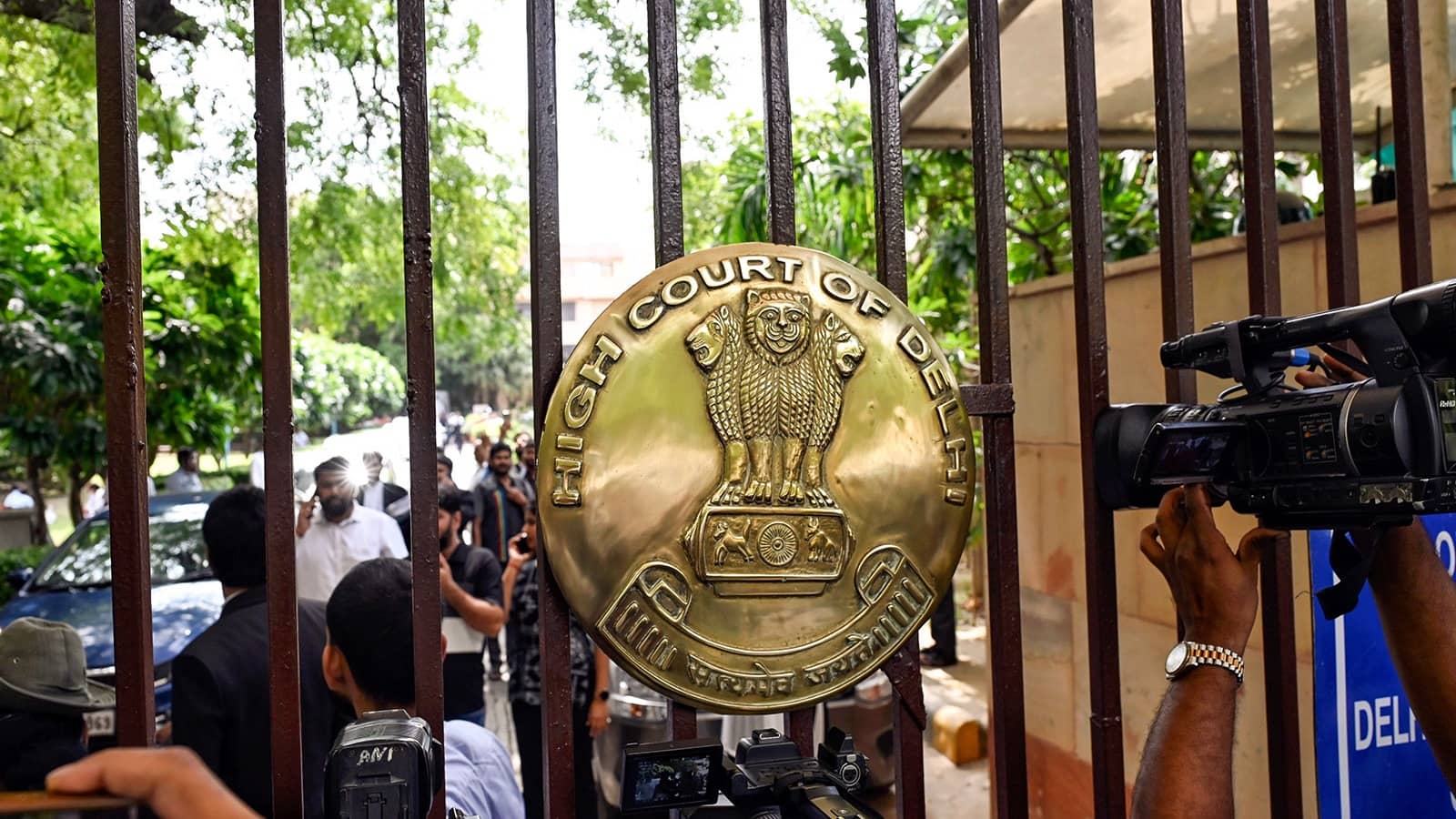
The Delhi High Court declined to order mandatory body-worn cameras for police and Rapid Action Force personnel at protests and crowd-control operations.
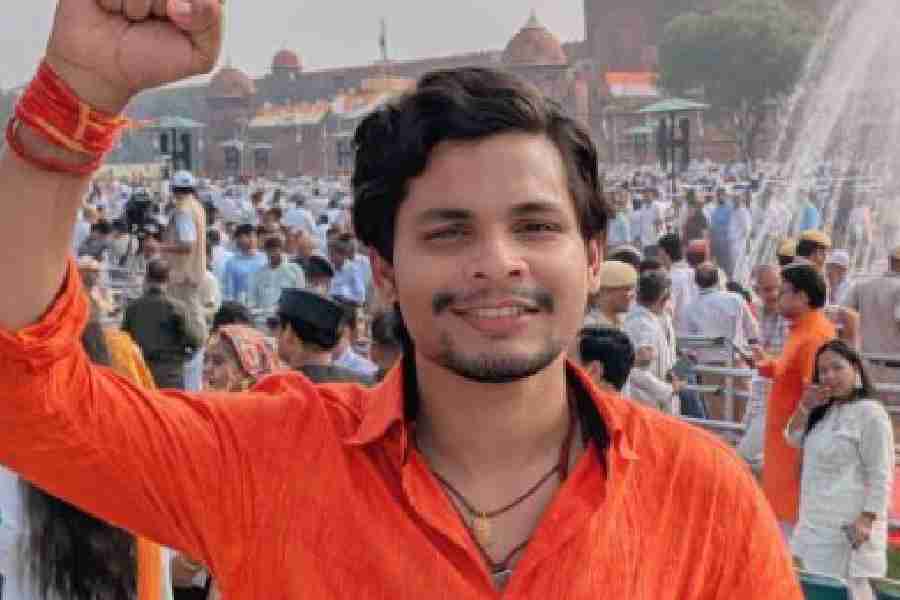
The court directed the Centre to treat Chahat Raghav’s PIL as a representation and communicate its decision on an SOP within six months.
The petition seeks rules for camera use and for footage storage, retention, integrity and evidentiary use.
The petitioner argued cameras could improve accountability, while the Centre said existing mechanisms provide for protest videography and cited the need to first make a representation.
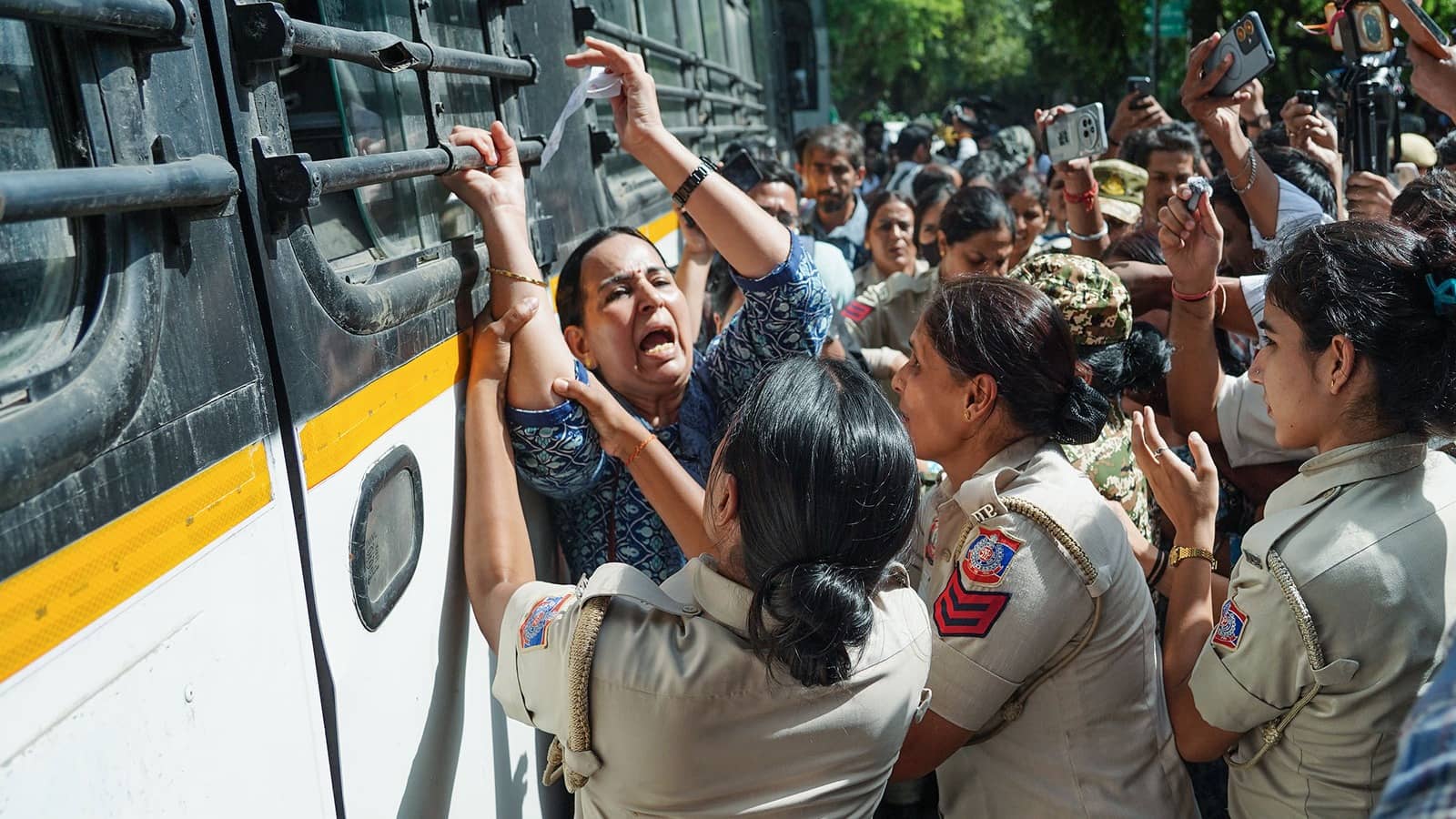
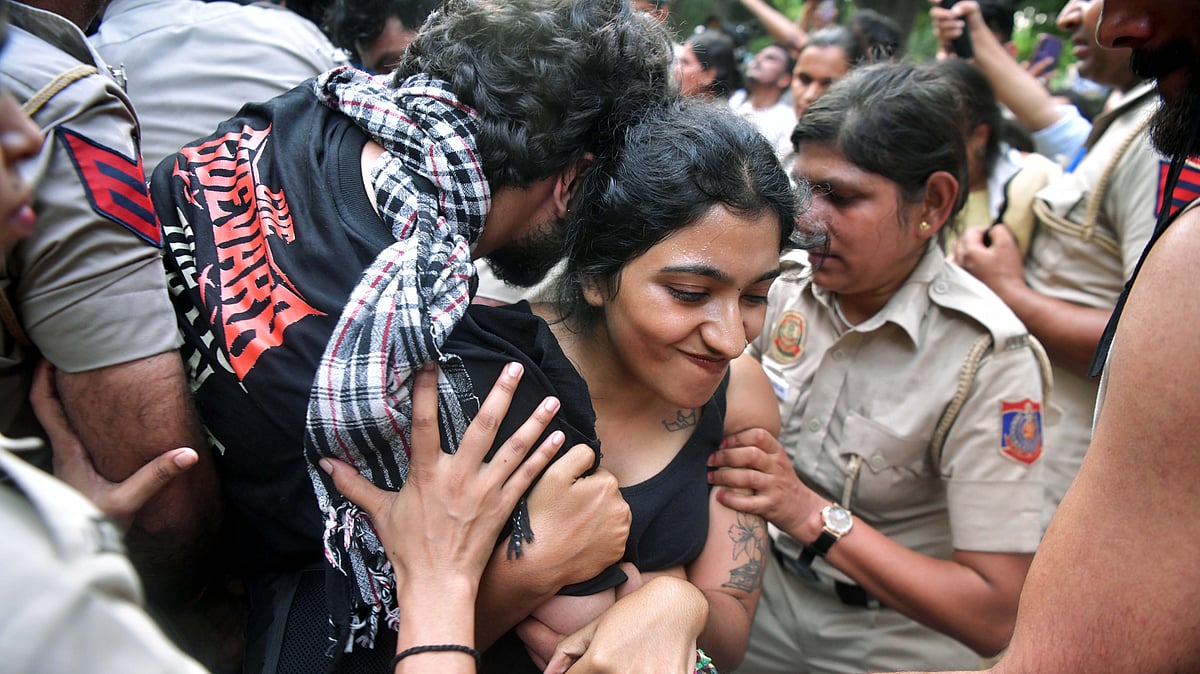
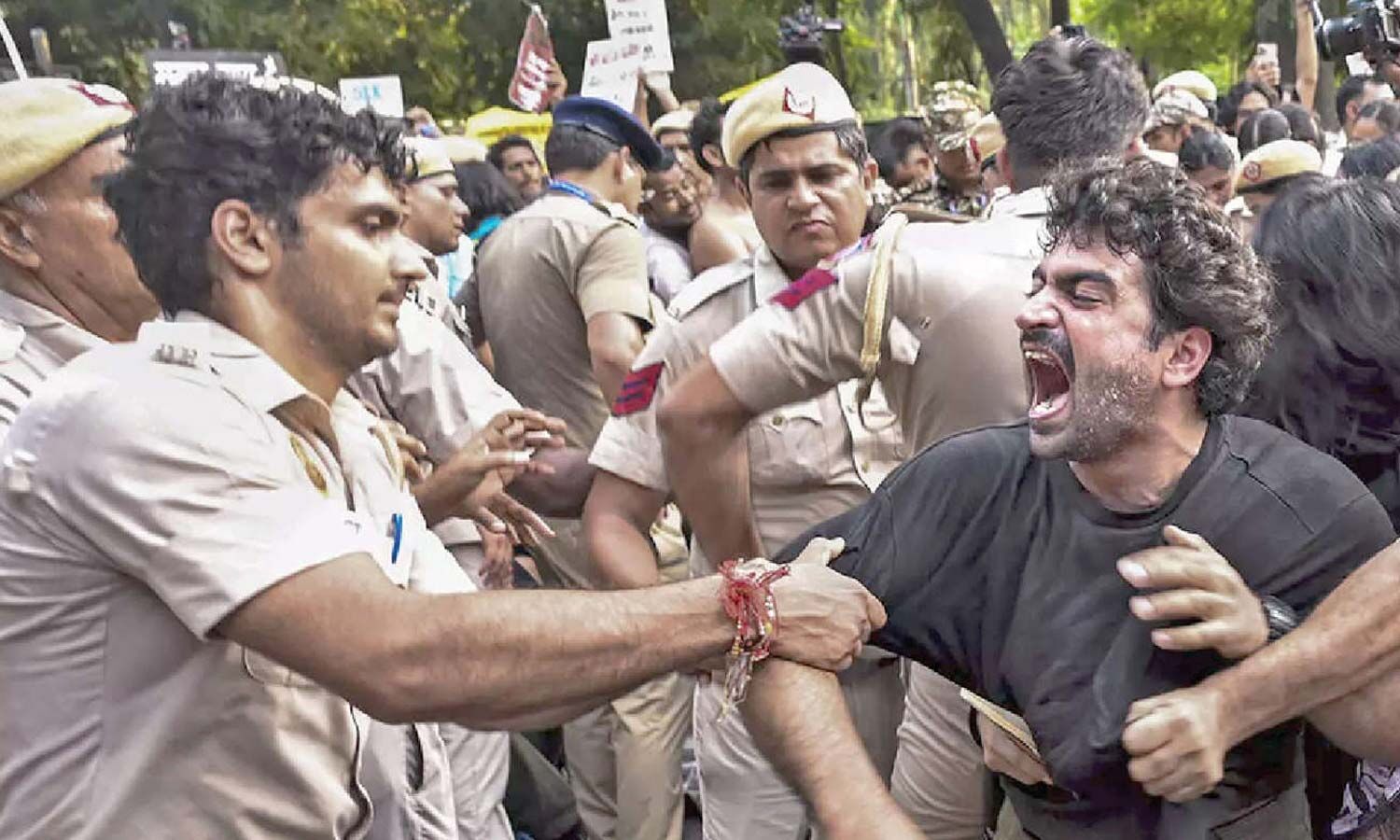
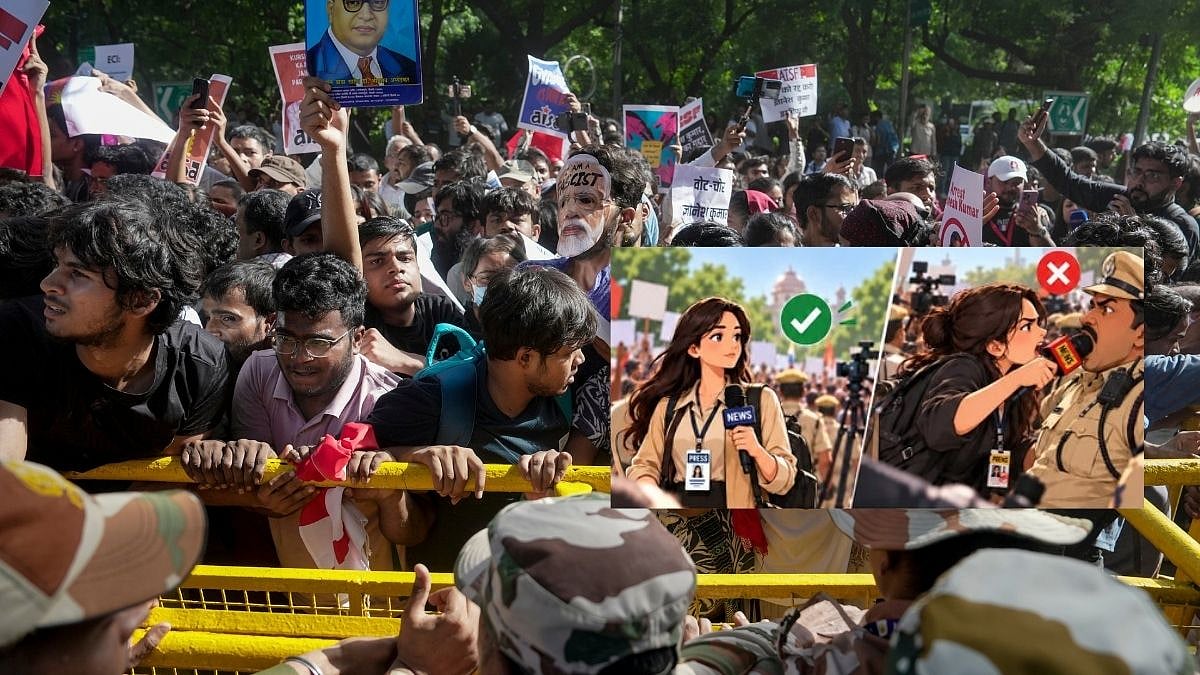
The case followed July demonstrations at Jantar Mantar; the petition said much available footage came from bystanders’ phones rather than official police recordings.
- Who
- The Delhi High Court, the Centre and petitioner Chahat Raghav; the petition concerns Delhi Police and Rapid Action Force personnel.
- What
- The court declined to mandate body-worn cameras and directed the Centre to decide on an SOP within six months.
- Where
- The Delhi High Court; the protests cited in the petition took place at Jantar Mantar in Delhi.
- When
- The ruling was issued on Wednesday; the petition followed July protests at Jantar Mantar.
- Why
- The petitioner sought cameras and rules for their footage to improve transparency and accountability; the court said the issue has wider implications for policing.
Petitioner's case
Court and government considerations
Need for body-worn cameras
Petitioner's case
The petitioner argued cameras could improve transparency and accountability, and provide an official record amid competing allegations about protest conduct.
Court and government considerations
The court declined to impose a requirement directly, saying the issue concerns policing broadly; the Centre's counsel cited existing protest videography mechanisms.
Whether existing recording is sufficient
Petitioner's case
The petitioner said existing videography is different from cameras worn by officers directly involved in crowd control, and that much footage came from bystanders.
Court and government considerations
The Centre's counsel submitted that an existing mechanism provides for videography of protests and that the PIL could be treated as a representation.
Key facts
- Petitioner
- Chahat Raghav
- Court outcome
- No order making body-worn cameras mandatory
- Deadline
- The Centre must communicate its decision on an SOP within six months
- Personnel covered by petition
- Delhi Police and Rapid Action Force personnel deployed for protests and crowd control
- Requested framework
- Camera use and rules for footage storage, retention, integrity and evidentiary use
- Protest context
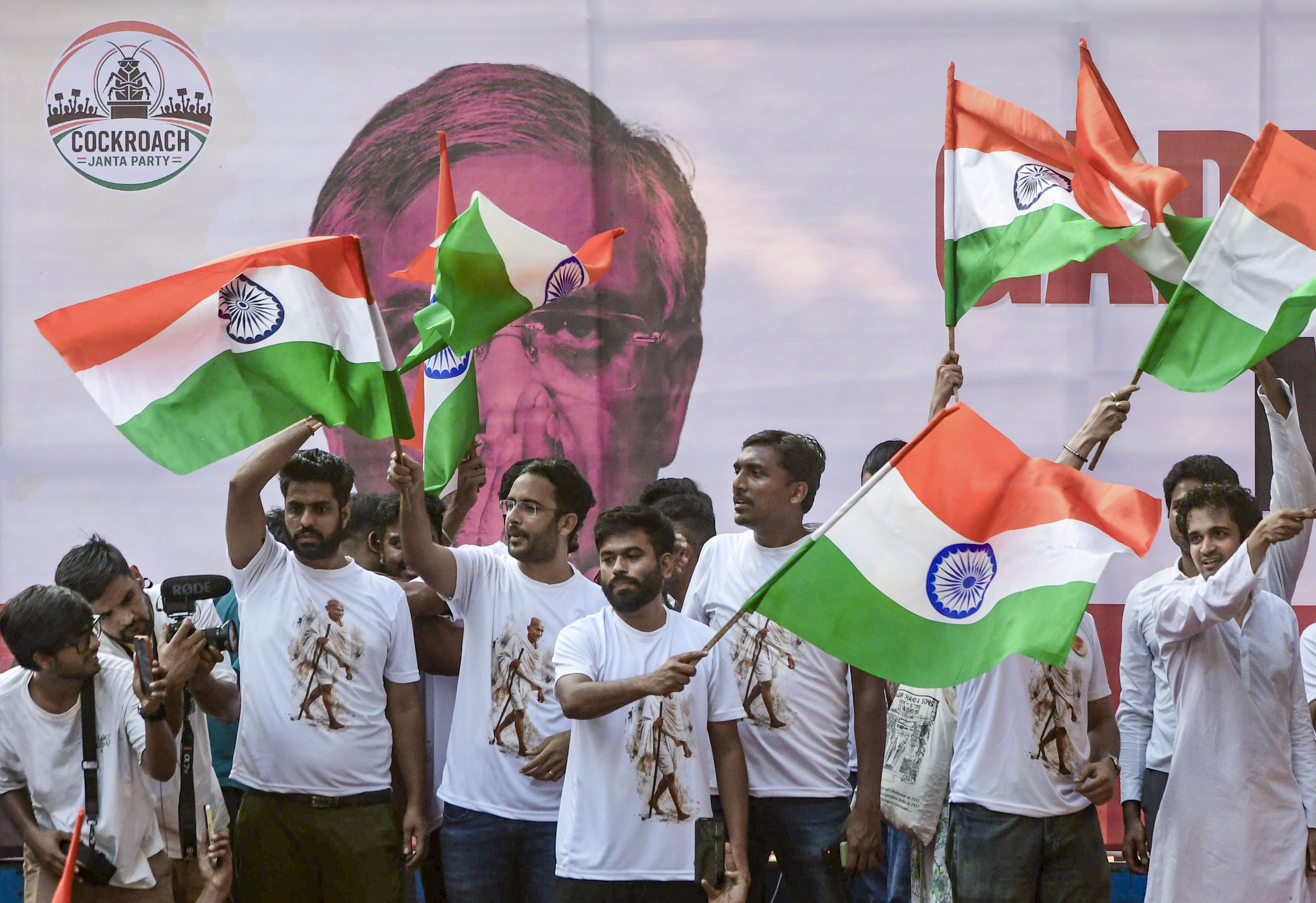
- July demonstrations at Jantar Mantar involving the Cockroach Janata Party and Sonam Wangchuk
- Further court action
- The petitioner may approach the court again if aggrieved by inaction
Quotes
Delhi High Court bench
A bench led by Acting Chief Justice Nitin Sambhre hearing the PIL.
“Use of body worn cameras by police can be inferred from not only tender issued but also use of same by traffic police. The SOP is informed to not be in existence. In such event, there might not be in provision in police manual. However, since statement is made from ASG we deem it appropriate to take same on record. We direct the respondents to communicate decision on framing of SOP regarding use of BWCs within six months. In case petitioner is aggrieved by inaction, liberty is granted to address”
 NDTV
NDTV
“We are not concerned about Delhi Police only, but we are concerned with entire policing.”
 republicworld.com
Sources
Related news
Delhi Police Issues Bodycams Amid Protest Misconduct Allegations
Delhi Police Deploys Cameras Amid Manhandling Claims and Protests
Delhi Police Urge Journalists to Show IDs Amid Misconduct Allegations
High Court Questions Delhi Police Denial of Karni Sena Protest
Delhi High Court Rejects PIL Over Conflicting CJP Protest Claims
Delhi Police Issues Journalist Guidelines Amid Jantar Mantar Harassment Allegations
CJP and Student Groups Prepare for October 10 Election Commission Protest
CJP Notifies Delhi Police of October 10 Election Protest

CJP Plans October 10 Jantar Mantar Protest Against Gyanesh Kumar
Dipke Alleges Police Pressure Ahead of Delhi Protest