8 months ago
US Imposes New Immigration Fees and Remittance Tax

Starting in 2026, the US will increase fees for certain immigration applications, such as asylum and employment authorization.
The Trump administration will also impose stricter rules for green card applicants from 19 countries considered security concerns.
Additionally, a new 1% remittance tax will be applied to cash, money orders, and cashier’s checks sent to foreign nations by non-US residents in the US.
This tax does not apply to transactions made through bank accounts, debit/credit cards, or qualified remittance transfer providers.
The changes are part of a broader effort to control immigration and generate additional revenue.
The impact will be significant for countries like India, Mexico, China, and the Philippines, which are major recipients of US remittances.

Certain US immigration fees will increase starting January 1, 2026, due to inflation adjustments.
The fee increases apply to various forms, including asylum applications and employment authorization documents.
The Trump administration will impose heightened scrutiny on green card applicants from 19 countries considered security concerns.
Starting January 1, 2026, a 1% remittance tax will be applied to cash, money orders, and cashier’s checks sent to foreign nations by non-US residents in the US.
The remittance tax does not apply to transactions made through bank accounts, debit/credit cards, or qualified remittance transfer providers.
- Who
- US Citizenship and Immigration Services (USCIS), the Trump administration, and non-US residents in the US (e.g., NRIs, green card holders, foreign students, and other immigrants)
- What
- Increase in certain immigration fees, heightened scrutiny for green card applicants from specific countries, and a 1% remittance tax on cash, money orders, and cashier’s checks sent to foreign nations
- Where
- United States
- When
- Effective January 1, 2026 (fee increase and remittance tax), January 1, 2025 (remittance tax for India and other nations)
- Why
- To account for inflation, as part of the Trump administration's immigration crackdown, and to impose a new excise tax on remittance transfers made by non-US residents
Key facts
- Effective Date for Fee Increase
- January 1, 2026
- Annual Asylum Application Fee
- $102 (approx. ₹ 9,165)
- Form I-765 (Initial Asylum Applicant EAD)
- $560 (approx. ₹ 50,300)
- Form I-765 (Renewal or Extension of Parole EAD)
- $280 (approx. ₹ 25,100)
- Form I-821 (Application for TPS)
- $510 (approx. ₹ 45,800)
- Countries with Complete Entry Ban
- Afghanistan, Burma, Chad, Republic of the Congo, Equatorial Guinea, Eritrea, Haiti, Iran, Libya, Somalia, Sudan, Yemen
- Countries with Partial Entry Restrictions
- Burundi, Cuba, Laos, Sierra Leone, Togo, Turkmenistan, Venezuela
- Additional Funding for ICE and Border Patrol
- $170 billion through September 2029
- Remittance Tax Rate
- 1%
- Taxable Remittance Methods
- Cash, money orders, cashier’s checks
- Exempt Remittance Methods
- Bank accounts, debit/credit cards, qualified remittance transfer providers
Timeline
Trump admin unveils denaturalization push on July 1, 2025.
Then, fee hike and remittance tax announced.
2026 enforcement expansion planned, including raids and deportations.
Fees and tax confirmed for 2026, funding immigration control.
US to impose 1% remittance tax, starting 2026.
Quotes

United States Embassy in India
The official diplomatic mission of the United States in India.
“If you break US law, you will be punished with significant criminal penalties. The Trump administration is committed to ending illegal immigration to the United States and protecting our nation's borders and our citizens.”
 NDTV
NDTV
Sources
US Embassy's "Significant Criminal Penalties" Warning For Illegal Immigrants

Amid H1B Visa Overhaul…US Embassy warns against illegal immigration
9 big Green Card rule changes in 2025 that could impact your US residency in 2026
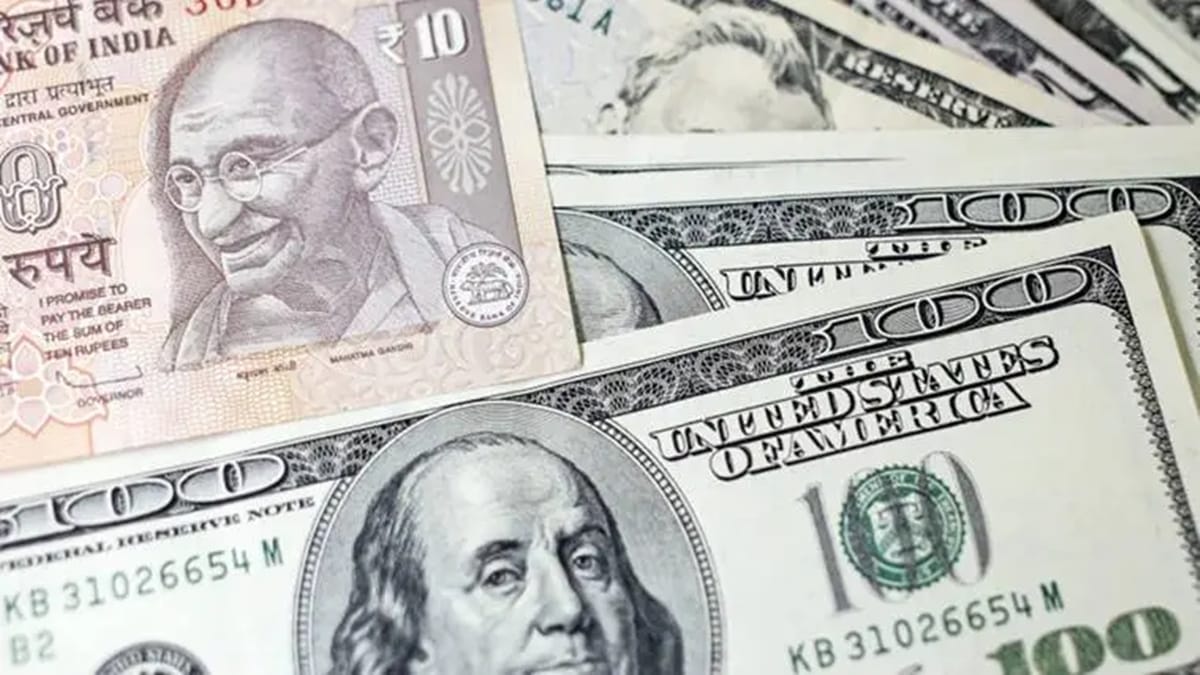
US remittance tax to be levied from January 1: Who pays, what’s taxed and what is exempt?

H-1B visa crackdown: Deportation fears under Trump rise as 41% immigrants express concern, reveals survey
US raises immigration fees from 1 January as Trump expands crackdown— Ready to pay more in 2026?
Related news

Beyond India: Five Countries Mark August 15 as National Day

Not Just India: Nations Celebrating Independence Day on August 15

US Expands Travel Ban to 39 Countries, Green Card Holders Face Scrutiny
Trump Expands Travel Ban to 20 More Entities