

Archive · 9 Nov 2025
Is Pro-Establishment Satire Authentic Humor?
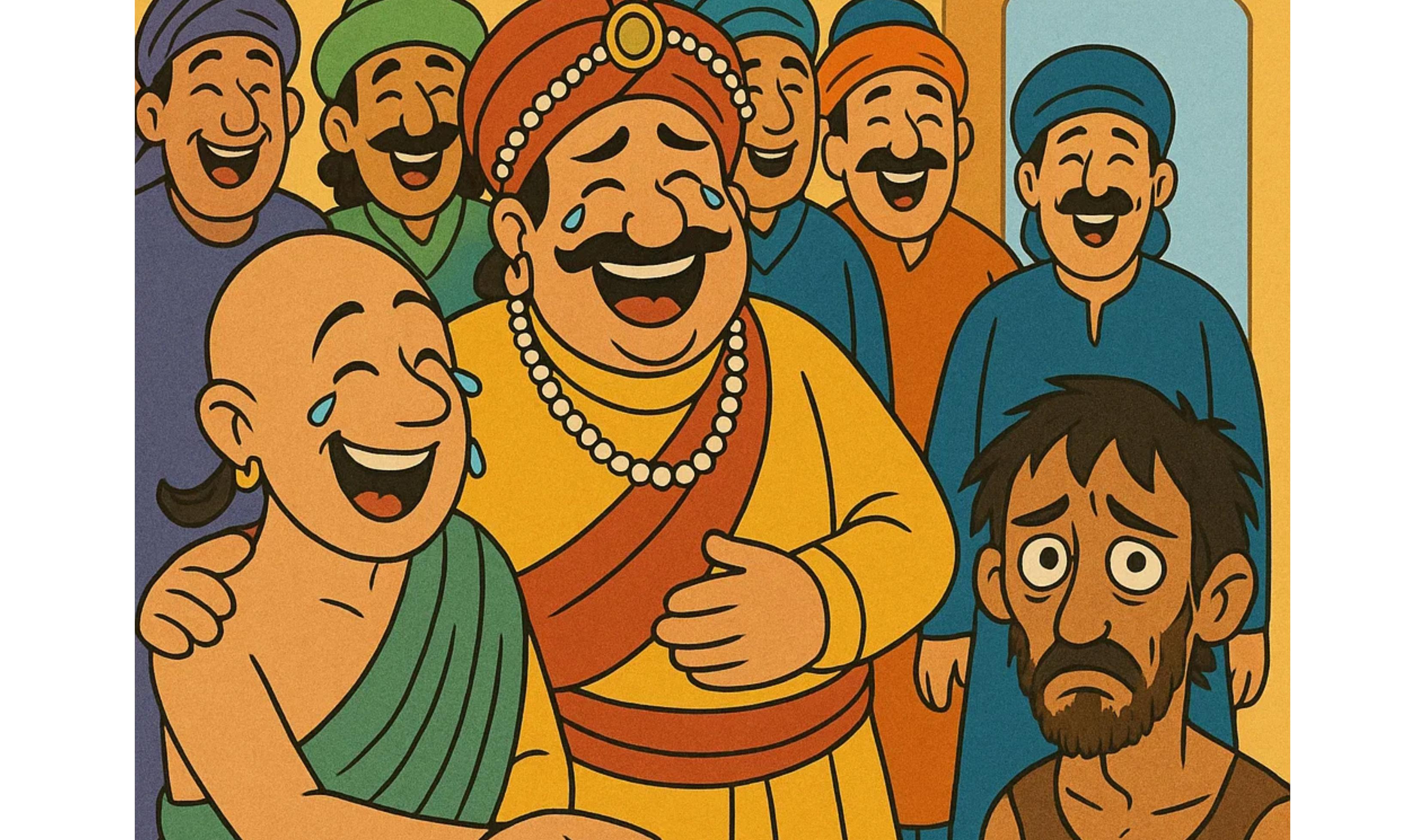
Imagine a comedian whose job is usually to make fun of powerful people in charge.
This article asks if a comedian who makes fun of people who are NOT in charge, or who are trying to speak out against the powerful, is really a comedian.
The author says no, this is more like propaganda.
Real comedians and satirists use truth to point out flaws in the powerful, like old story characters who would tell jokes to the king to help him do better.
Someone who makes fun of the weak or the 'little guy' to make the powerful look good isn't being funny, they are just helping the bullies.
Their jokes don't come from a place of truth or empathy, but from a desire to belong to the 'in-group' and to feel safe.
True art should challenge the powerful and comfort those who are struggling, not the other way around.

The article questions the authenticity of satire that supports the establishment rather than challenging it.
It contrasts traditional satirists, who target the powerful, with those who mock the underdog.
The author argues that pro-establishment humor is a form of propaganda, not genuine art, driven by 'heckler-bullies' rather than truth.
Historical figures like Tenali Rama and Birbal are cited as examples of satirists who sided with the people against the king.
Pro-establishment art is described as an act of fear that comforts the oppressor and disturbs the oppressed.
- Who
- Krishna Shastri Devulapalli, discussing satirists and humorists
- What
- Analyzing the nature and effectiveness of pro-establishment satire, arguing it is not true satire but propaganda.
- When
- Recently, with a noticeable uptick in the last eleven years.
- Where
- Social media and the broader landscape of humor and art.
- Why
- To explore the phenomenon of comedians who mock the underdog to support the establishment, contrasting it with the traditional role of satire.
- Author
- Krishna Shastri Devulapalli
- Main Argument
- Satire's core function is to challenge the establishment, making pro-establishment 'humor' a form of propaganda rather than genuine art.
- Historical Analogy
- Folkloric satirists like Tenali Rama and Birbal always sided with the people, not the king.
- Nature of Pro-Establishment Laughs
- Comes from 'hecklers' or 'bullies' in a group, not genuine empathy or response to truth.
- Impact of Pro-Establishment Art
- Comforts the bully and disturbs the oppressed.