Archive · 20 Sep 2026
Chinese Startup Targets ChatGPT-Style Breakthrough for Humanoid Robots
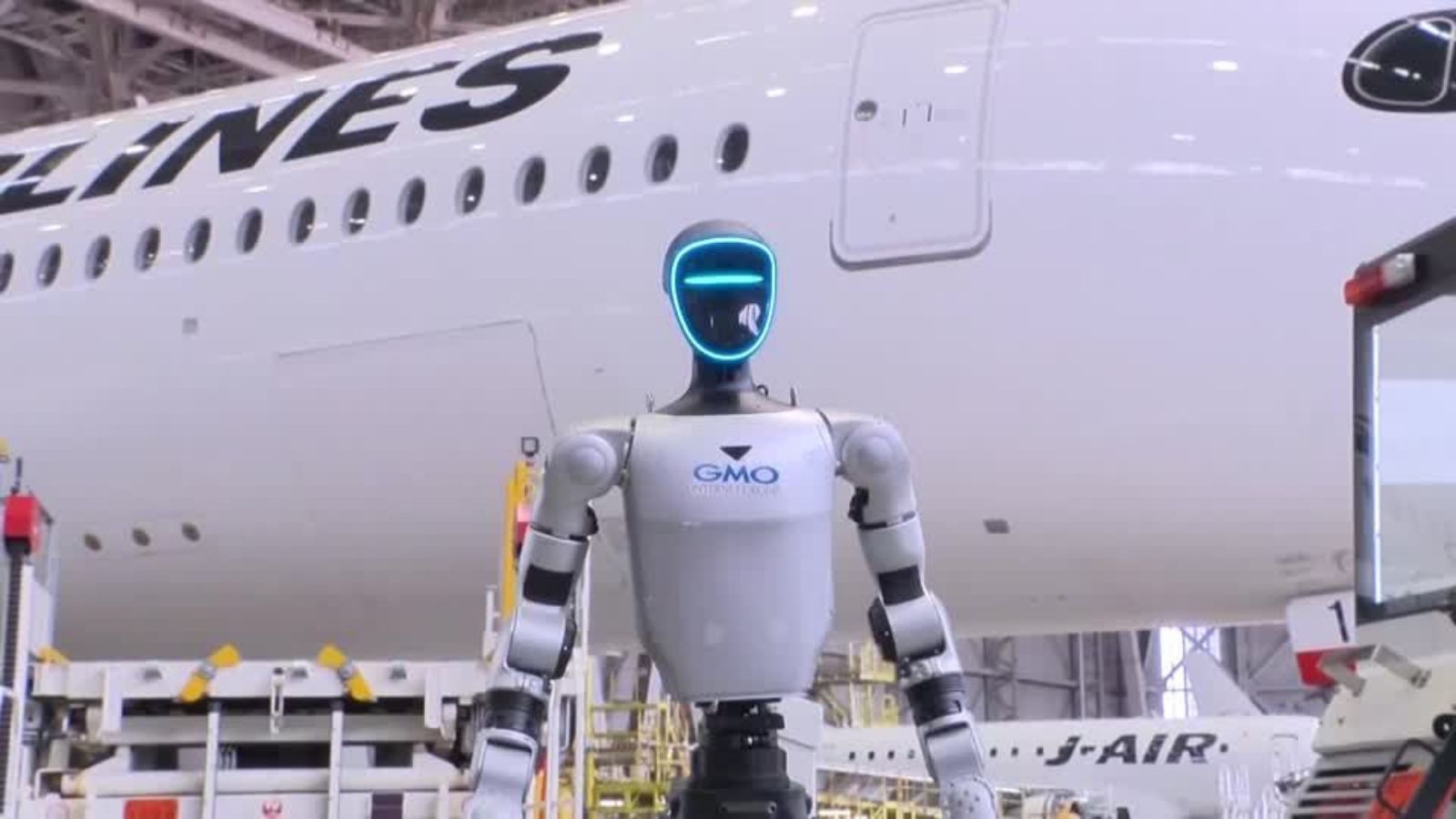
Spirit AI is a Chinese company building the software brains for humanoid robots.
It wants robots to understand ordinary spoken instructions and then complete several physical steps.
The company predicts this ability could arrive by the middle of 2027.
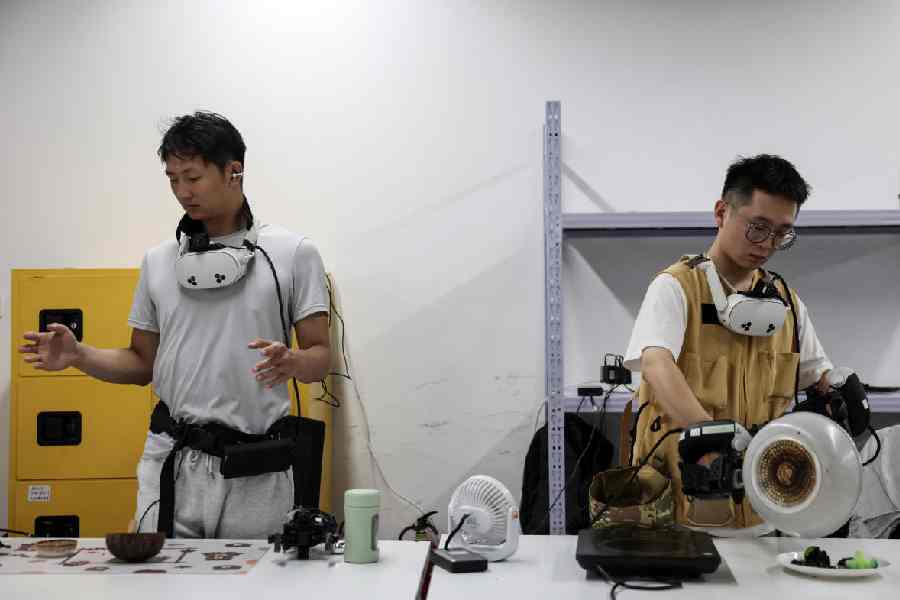
Workers wear sensors and repeat everyday actions so robots can learn how people move and handle objects.
The robots can already do some simple tasks in carefully arranged rooms.
They are being tested on production lines and in retail settings.
Robots still struggle with delicate actions, such as unscrewing bottle caps, and with unfamiliar tasks.
Using robots safely in busy homes and public places will require more improvements.

Spirit AI predicts humanoid robots could reach a “GPT-3.0 milestone” by mid-2027, following natural-language instructions and performing multi-step physical actions.
The Beijing-based company says its robots achieve a 90% success rate on simple tasks in structured living-room environments.
About 1,000 contractors collect real-world movement data, while dozens of Moz1 robots operate at CATL and JD.com facilities.
Spirit AI has raised more than $670 million since its 2024 founding and is valued at 20 billion yuan, or about $2.9 billion.
Industrial and commercial uses may expand within two years, but home applications remain difficult because of fine-motor, unseen-task, and safety challenges.
- Who
- Spirit AI, led in the article by co-founder and chief scientist Gao Yang, is developing the robot-brain technology.
- What
- The company predicts a software breakthrough that would let humanoid robots understand natural-language instructions and perform sequences of physical actions.
- When
- Gao said the GPT-3.0 milestone could arrive by mid-2027; the Reuters visit took place on September 17, 2026.
- Where
- Spirit AI is headquartered in Beijing, China, with Moz1 robots deployed at CATL and JD.com facilities.
- Why
- The company is trying to improve embodied AI so robots can perform broader and more economically useful tasks.
Real-World Training
Simulation-Based Training
How robots should learn
Real-World Training
Spirit AI relies mainly on real-world data, arguing that physical interactions are important for learning tasks involving objects such as flexible electric cables.
Simulation-Based Training
Many competitors use virtual simulators to reduce model-training costs; the article says simulators handle rigid objects well but does not identify a specific competitor’s response.
Near-term safety concerns
Real-World Training
Gao said rogue-AI risks are currently less pressing because physical-world robot software remains immature, and he cited whole-body force control and automatic emergency braking as baseline protections.
Simulation-Based Training
The article says safety will become more important as robots enter crowded commercial and home environments, while recent hacking incidents involving advanced AI agents have prompted calls in the United States for slower development.
- Company
- Spirit AI
- Projected milestone
- GPT-3.0 capability by mid-2027
- Current success rate
- 90% for simple tasks in structured living-room environments
- Data workforce
- Around 1,000 contractors nationwide
- Current deployments
- Dozens of Moz1 wheeled humanoid robots at CATL and JD.com production lines
- Funding
- More than $670 million raised since the company was founded in 2024
- Valuation
- 20 billion yuan, approximately $2.9 billion
- Workforce
- The startup has about 300 employees, alongside its contractors