

Archive · 21 Jul 2026
India and China's 40-Year Fighter Jet Race
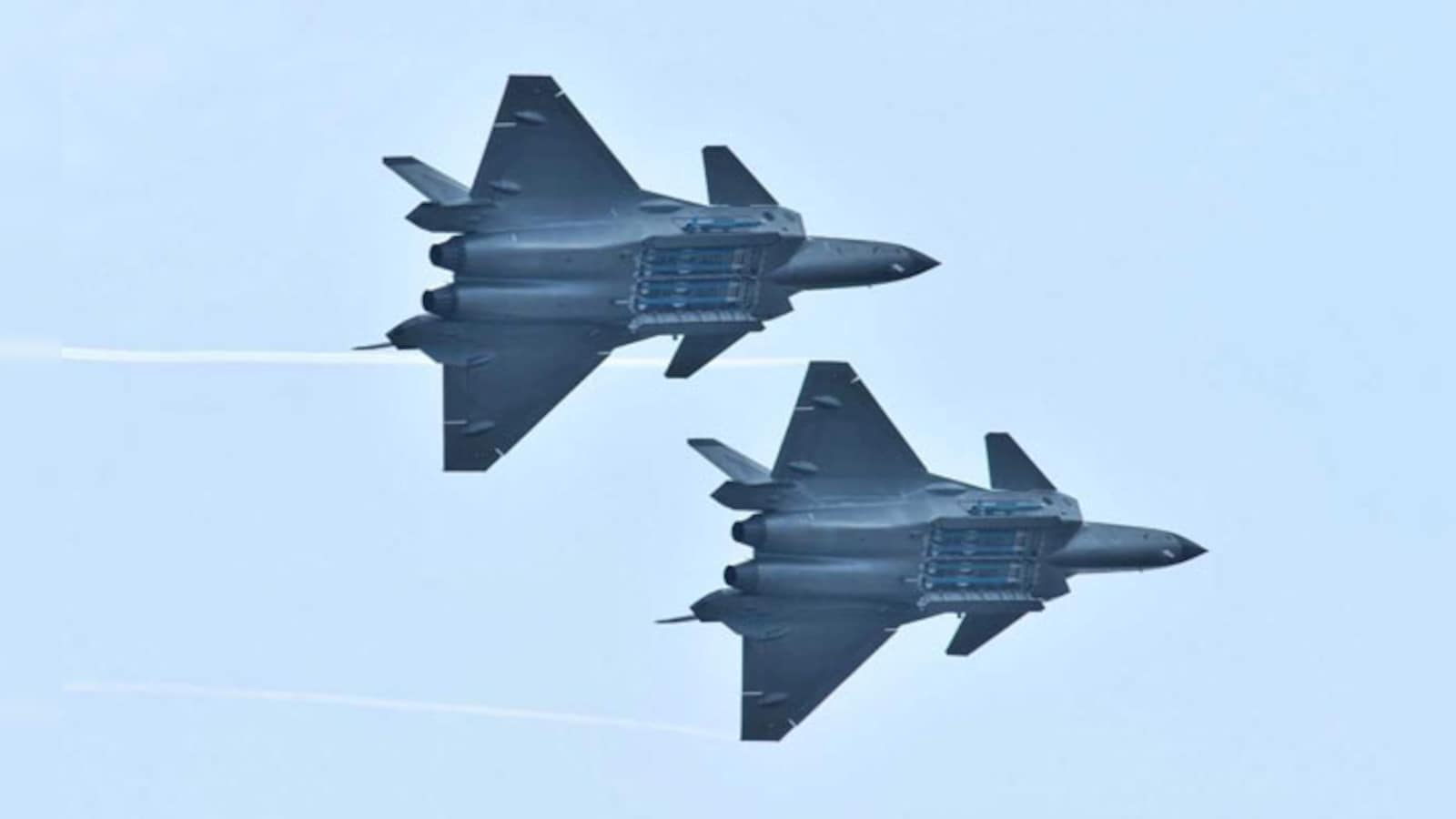
India and China both started building their own fighter jets in the 1980s.
China has made big progress, making advanced jets like the J-20 and improving their engines a lot.
India has the Tejas jet but still uses foreign engines and hasn't finished its own engine, the Kaveri.
China did this by investing a lot of money and time, even when things went wrong.
India chose to use foreign engines first to be ready for fighting, which delayed making their own.
Now, India has to decide if it wants to keep buying jets or make its own, like China.

China has successfully developed and produced the J-20 stealth fighter and is working on the J-35.
India has the Tejas Light Combat Aircraft but relies on imported engines and has not completed the Kaveri engine.
China invested heavily in engine development, improving engine life significantly over two decades.
India's aerospace ecosystem is more dispersed, leading to slower progress in engine development.
India must decide whether to continue buying foreign jets or invest in indigenous development like China.
- Who
- India and China
- What
- A 40-year race to build indigenous fighter jets
- When
- Since the 1980s
- Where
- India and China
- Why
- To achieve technological sovereignty and reduce dependence on foreign technology
China's Approach
India's Approach
Indigenous Development
China's Approach
China committed to long-term indigenous development, investing heavily in research and development, and treating failures as learning opportunities.
India's Approach
India prioritized operational readiness, relying on imported engines and technology transfers, which delayed indigenous engine development.
Engine Development
China's Approach
China invested billions in engine development, improving engine life from tens of hours to thousands of hours over two decades.
India's Approach
India's Kaveri engine program struggled with technical challenges and has not yet achieved the required thrust for frontline operations.
Institutional Structure
China's Approach
China consolidated engine research, manufacturing, and development under one organization, the Aero Engine Corporation of China (AECC).
India's Approach
India's aerospace ecosystem is more dispersed across various organizations, leading to slower integration and accountability.
- J-20 Production
- Over 100 annually across multiple assembly lines
- Kaveri Engine Program
- Unfinished after nearly four decades
- AMCA
- India's fifth-generation fighter awaiting crucial decisions on engine development
- China's Engine Investment
- Approximately USD 42 billion under its 'Two Engines' initiative
- Tejas Engine
- Relies on imported General Electric engines