

Archive · 23 Nov 2025
Blossoming Bodies: Subverting Floral Metaphors for Menstruation
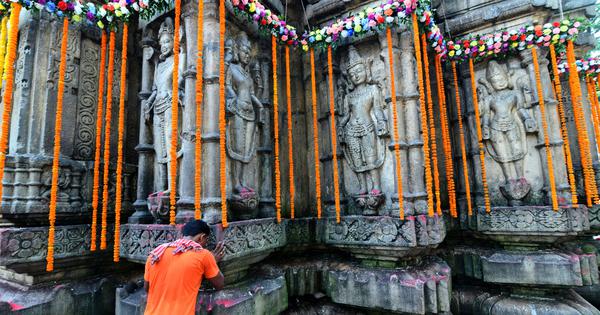
In South Asia, flowers are connected to menstruation, with some restrictions and taboos.
However, women and artists are using these floral associations to challenge menstrual stigma and promote menstrual health.
Flowers are also used in religious rituals and cultural representations of goddesses.
Some communities even refer to menstruation as 'flower of the body'.

Flowers are tied to menstruation in South Asian cultures, with taboos against menstruating women touching certain plants.
Menstrual product companies and period tracking apps use floral associations in their branding.
Artists are subverting these floral associations to challenge menstrual taboos and stigma.
Flowers are used in representations and rites of Hindu goddesses like Lakshmi and Kali.
Menstruation is referred to as 'hormo baha' or 'flower of the body' among the Santhal Adivasis in Jharkhand.
- Who
- Menstruating women and artists in South Asia
- What
- Subverting floral metaphors for menstruation
- When
- Historically and currently
- Where
- South Asia
- Why
- To challenge menstrual taboos and stigma
Traditionalists
Progressives
Taboos
Traditionalists
Believe in restrictions on menstruating women's movements and choices
Progressives
Challenge these restrictions as outdated and discriminatory
Flower symbolism
Traditionalists
See flowers as pure and sacred, thus menstruating women should not touch them
Progressives
Use flowers to empower and normalize menstruation, challenging taboos
- Common taboo
- Menstruating women not touching certain plants and flowers
- Floral euphemisms
- Common in South Asian cultures for menstruation
- Artistic subversion
- Women and artists challenging menstrual stigma through flowers
- Religious connections
- Flowers used in Hindu rituals and goddess representations
- Community term
- Menstruation referred to as 'hormo baha' or 'flower of the body'