

Archive · 14 Jun 2025
Emergency Echoes: Media Freedom Concerns in Modern India
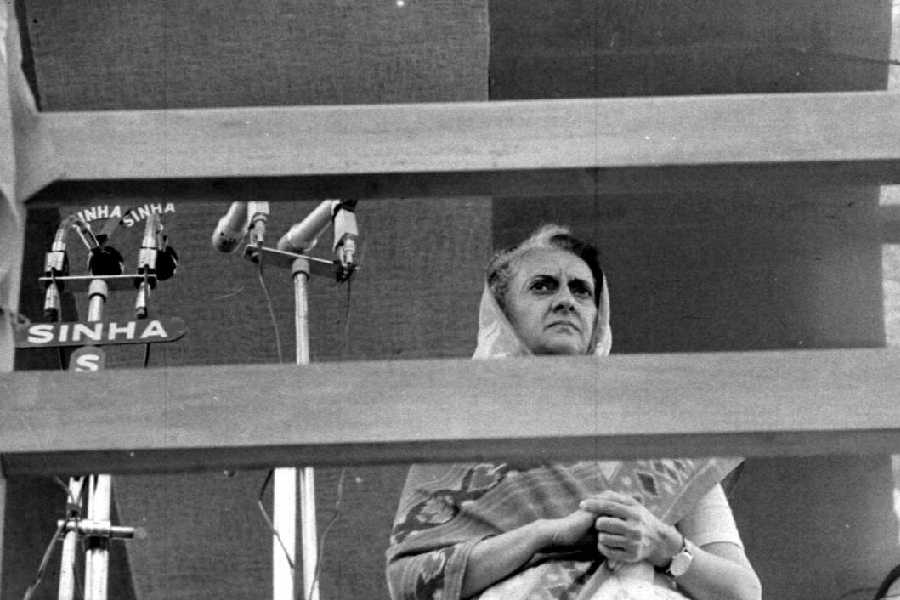
Fifty years ago, the government in India stopped the news from being shared freely.
This article talks about whether this could happen again.
Back then, the government controlled all the news.
Now, there are many ways to get information like the internet and TV channels.
Even though things are different, the government still tries to control the news.
The author also talks about how strong leaders sometimes try to hide the truth.
India's ranking for press freedom is not good, raising questions about how free the media is.

The article discusses potential for media repression in India, 50 years after the Emergency.
During the Emergency, censorship was imposed, with strict guidelines for media.
The author notes the increasing sophistication of attempts to control news dissemination.
The article mentions a correlation between powerful leaders and suppression of facts.
India's ranking on the World Press Freedom Index is a point of concern.
- Who
- The author, journalists, and Indian government.
- What
- Analysis of media freedom and potential for repression in India.
- When
- Ongoing, with historical context from the 1975-1977 Emergency period.
- Where
- India, specifically concerning media operations.
- Why
- To discuss the state of press freedom and potential threats to it.
- Event
- Emergency in India (1975-1977)
- Media Control During Emergency
- Censorship, Blackout
- Current Media Landscape
- Multiple channels, Internet
- World Press Freedom Index
- India ranked 151st
- Key Figures
- Indira Gandhi, V.C. Shukla
