2 hrs ago
Kolkata Blood Shortage Follows Crackdown on Donation Camps
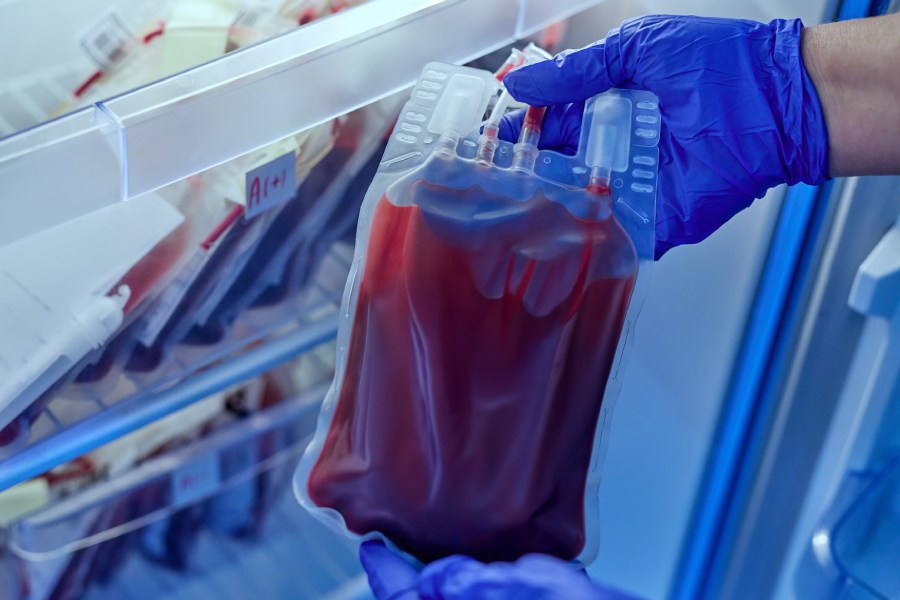
Kolkata is facing a serious shortage of blood after the state stopped 11 blood banks from holding donation camps.
The action followed allegations that some camps were unauthorised and that blood components were moved or sold improperly.
A government website showed whole-blood reserves at only three of 36 listed centres when it was checked.
People needing blood should first ask their doctor for a prescription and contact a licensed blood centre.
They should also check the e-RaktKosh website, but availability can change quickly.
A replacement donor is not legally required, although many hospitals commonly ask for one.
Blood itself cannot be sold, but blood centres can charge approved processing fees.
People with rare blood types may seek help from donor groups and NGOs.
Blood that expires is discarded and is never given to patients.

West Bengal barred 11 blood banks from organising donation camps while investigating alleged irregularities.
Inspections reportedly found blood components allegedly sent to other states at premium prices.
Only three of 36 centres listed on e-RaktKosh had whole-blood reserves when checked by My Kolkata.
Patients should check e-RaktKosh and call licensed blood centres before visiting because availability changes quickly.
Blood cannot legally be sold, but centres may charge prescribed fees for collection, testing, processing and storage.
- Who
- The West Bengal Health Department, blood banks, hospitals, patients, donors and donor organisations are involved.
- What
- The state suspended donation-camp activity by 11 blood banks amid alleged irregularities, while Kolkata faces pressure on blood reserves.
- Where
- Kolkata and other inspected areas of West Bengal, including Howrah, Nadia and Burdwan.
- When
- The 11 blood banks were barred in August; paid blood donation has been banned in India since January 1, 1998.
- Why
- The action followed allegations involving unauthorised camps, improper transfers or sales of blood components, and possible financial incentives.
Regulatory and voluntary perspective
Hospital and patient-access concerns
Replacement donors
Regulatory and voluntary perspective
The National Blood Transfusion Council does not legally require patients to provide a replacement donor.
Hospital and patient-access concerns
Priyam Sengupta said many hospitals typically require one in practice, creating difficulties for patients from outside the region and potentially encouraging broker involvement.
Blood-centre charges
Regulatory and voluntary perspective
Blood is not supposed to be sold; centres may levy prescribed charges for collection, testing, processing and storage. Government facilities may provide blood without a processing charge in some cases.
Hospital and patient-access concerns
Patients may still face different fees at private centres, including the reported Rs 1,000 charge at Kothari Medical and the different rates described by a frequent donor depending on whether a government credit card is presented.
Key facts
- Blood banks barred
- 11 blood banks were barred from organising donation camps pending investigation.
- Reported reserve check
- My Kolkata found whole-blood reserves at three of 36 centres listed on e-RaktKosh.
- Legal status of paid donation
- Paid or professional blood donation has been banned in India since January 1, 1998.
- Replacement donation
- The National Blood Transfusion Council recognises replacement donation but does not make it legally mandatory.
- Reported replacement-donor practice
- Priyam Sengupta said about 70% of transfusions at government and private hospitals typically require a replacement donor.
- Processing charge example
- Kothari Medical Blood Centre said its processing charge was Rs 1,000 for whole blood and components.
- Expired blood
- Expired blood is discarded under hospital or blood-bank policy and is never transfused.
Quotes
Balaka Maji (Kundu)
MBBS physician at AM Medical Centre
“But 70% of blood transfusions, at both government and private hospitals, typically require a replacement donor, and this is a major issue, especially in private hospitals. Imagine patients who come from Nepal, Odisha and Bangladesh for treatment. How will they arrange for a replacement donor? That is when they approach brokers and the scam gets boosted.”
 telegraphindia.com
“There is a severe crisis, more severe than usual, following the crackdown.”
telegraphindia.com
Sources
Related news

West Bengal Inspects Private Blood Banks Amid Black-Marketing Reports

Calcutta High Court Orders Weeklong Probe Into Blood Bank Sales

West Bengal Blood Bank Faces Probe Over Alleged Malpractice
Calcutta High Court Orders Bengal Probe Into Blood Transport

Maharashtra Orders Strict Compliance At Blood Centres After Inspections

Maharashtra FDA Issues First Statewide Compliance Order For Blood Centres
Bengal Replaces Malda Hospital Officials After 89 Infant Deaths

Malda Hospital Reports 60 Child Deaths, Including 10 In One Day
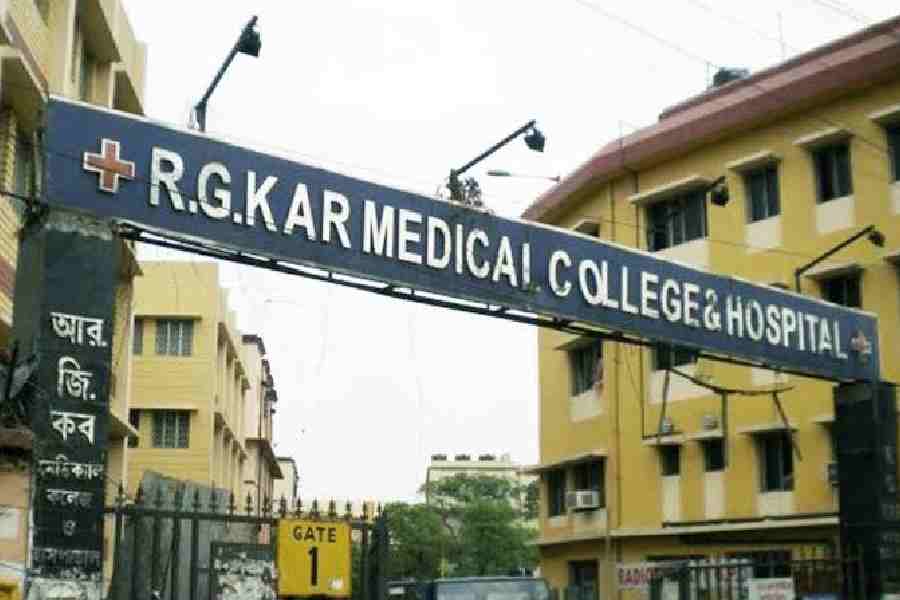
Four more Park Institution girls admitted to RG Kar hospital